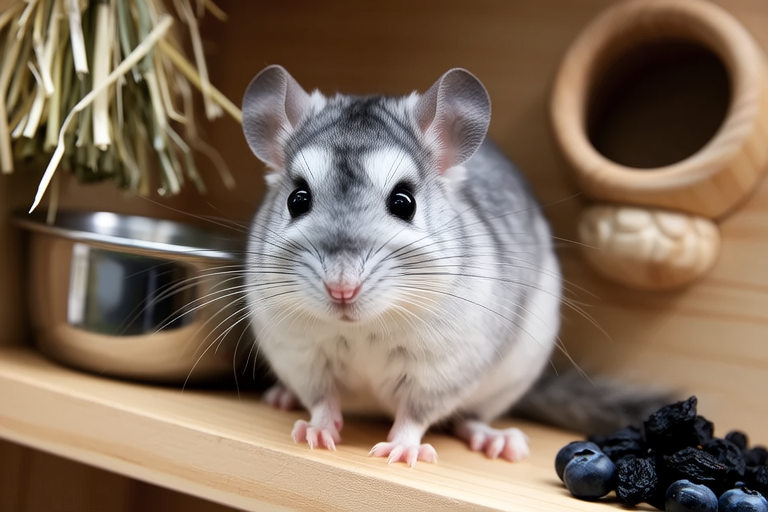
Caring for Chinchillas: Unique Characteristics and Care Requirements
Chinchillas are fascinating creatures that make wonderful pets for those who are prepared to meet their specific needs. These small rodents, native to the Andes Mountains in South America, have unique characteristics and care requirements that set them apart from other pets. This article explores their dietary needs, housing preferences, social behaviors, grooming habits, and health considerations. It also highlights lesser-known facts about their nocturnal lifestyle, sensitivity to heat, and the importance of dust baths for their fur maintenance.
Dietary Needs
Chinchillas have specific dietary needs that must be met to ensure their overall health and well-being. Their diet should consist primarily of hay, which is rich in fiber and essential for maintaining their digestive system. Pellets formulated specifically for chinchillas should also be provided to supplement their diet with necessary vitamins and minerals. Fresh water should always be available, as dehydration can lead to serious health issues. Avoid feeding chinchillas fruits, vegetables, or other treats that are high in sugar or fat, as these can cause obesity and dental problems. Instead, offer occasional treats like dried rose hips or small pieces of apple.
Housing Preferences
Creating a suitable living space is crucial for chinchillas’ physical and mental health. A spacious cage with multiple levels is ideal, providing ample room for climbing and exploration. The cage should be made of wire mesh with openings no larger than 1 inch by 1 inch to prevent injuries. Solid flooring is recommended to protect their delicate feet, but if wire flooring is used, provide soft bedding such as fleece or paper towels. Chinchillas enjoy chewing, so offer safe chew toys made of untreated wood or cardboard. Ensure the cage is placed in a quiet area away from direct sunlight and drafts, as chinchillas are sensitive to both heat and cold.
Social Behaviors
Chinchillas are generally solitary animals in the wild, but they can adapt to living with others in captivity. However, introducing new chinchillas requires careful consideration and gradual acclimation. Providing separate enclosures initially allows each chinchilla to become familiar with its new companion’s scent before being introduced. Once introduced, monitor their interactions closely to ensure compatibility. Chinchillas may exhibit territorial behavior, especially during breeding season, so it’s important to provide adequate space and resources to minimize conflicts. Despite their potential for aggression, chinchillas can form strong bonds with their human caregivers, recognizing individual family members and responding positively to gentle handling.
Grooming Habits
One of the most distinctive features of chinchillas is their incredibly dense fur, which requires special attention. Unlike many other animals, chinchillas do not bathe in water; instead, they take dust baths to clean and maintain their fur. Dust baths are essential for removing oils and dirt from their coats while preventing skin irritations. Commercial dust bath mixes are available, but avoid using regular play sand or cat litter, as these can be harmful. Provide a shallow container filled with dust at least twice a week, allowing your chinchilla to roll around and enjoy its bath. Afterward, remove any remaining dust and clean the container thoroughly to prevent bacterial growth.
Health Considerations
Regular veterinary check-ups are vital for maintaining your chinchilla’s health. Common health issues include dental problems, respiratory infections, and gastrointestinal disorders. Signs of illness may include lethargy, loss of appetite, weight loss, or changes in stool consistency. Early detection and treatment can often prevent more serious complications. To promote good health, provide a balanced diet, clean living conditions, and opportunities for exercise and mental stimulation. Vaccinations are not typically required for pet chinchillas, but consult your veterinarian regarding specific recommendations based on geographic location and individual circumstances.
Nocturnal Lifestyle
Chinchillas are primarily nocturnal animals, meaning they are most active during the night. They sleep during the day and spend much of their waking hours playing, exploring, and interacting with their environment. Understanding this natural rhythm can help you better meet their needs. Provide plenty of toys and activities during the evening when they are most alert and engaged. Adjust lighting in the room where the cage is located to mimic a natural day-night cycle, gradually dimming lights in the evening and brightening them in the morning. This can help regulate their internal clock and promote healthy sleep patterns.
Sensitivity to Heat
Chinchillas have a thick coat that makes them highly susceptible to overheating. In their natural habitat, they live in cool mountainous regions where temperatures rarely exceed 70°F (21°C). As pets, they should be kept in environments with consistent temperatures between 60°F and 70°F (15°C to 21°C). Avoid placing their cage near windows or heat sources, and ensure proper ventilation. Signs of heat stress include panting, drooling, lethargy, and reddened ears. If you suspect your chinchilla is overheating, immediately move it to a cooler area and consult a veterinarian.
Enriching Environment
To create an enriching environment that meets your chinchilla’s physical and psychological needs, consider the following:
- Exercise Opportunities: Provide ramps, tunnels, and platforms within the cage to encourage climbing and jumping. Outside of the cage, supervised playtime in a safe, enclosed area allows for additional exercise and exploration.
- Mental Stimulation: Offer various toys, such as puzzle feeders, chew sticks, and treat-dispensing balls. Rotate toys periodically to keep things interesting and prevent boredom.
- Safe Exploration: Create a designated play area with soft flooring and appropriate toys. Supervise play sessions to ensure safety and prevent accidental injuries.
- Social Interaction: Spend time interacting with your chinchilla daily through gentle handling, petting, and play. This helps build trust and strengthens your bond.
By understanding and addressing the unique characteristics and care requirements of chinchillas, you can provide them with a happy, healthy, and fulfilling life. With proper attention to their dietary needs, housing preferences, social behaviors, grooming habits, and health considerations, you’ll be well-equipped to care for these fascinating little creatures. Remember that each chinchilla is an individual, so observe their behavior and adjust their care accordingly to ensure they thrive in their new home.
