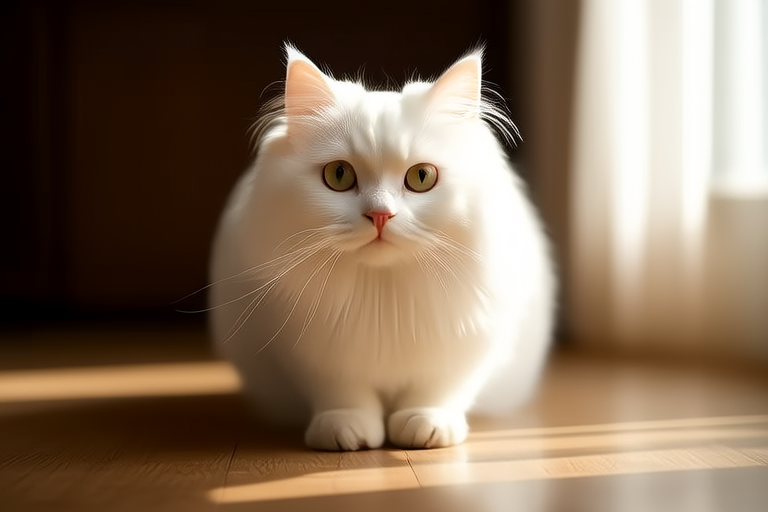
The Luminous Coats of Turkish Angora Cats

Known for their striking appearance and regal bearing, Turkish Angora cats have captivated humans for centuries. Their luminous coats, characterized by their soft texture and radiant shine, are the result of a unique combination of genetic factors, historical development, and dedicated care. This article explores the genetic traits contributing to the Turkish Angora’s distinctive coat, its nutritional and care requirements, common coat colors and patterns, and the cultural significance tied to this breed.
A Brief History of the Turkish Angora
The Turkish Angora originates from the Ankara region in central Turkey, where it has lived for thousands of years. Historical records suggest that these cats were revered in ancient times and often associated with royalty. The breed’s name, “Angora,” comes from the old spelling of Ankara, while “Turkish” reflects its country of origin. The first documented Turkish Angoras were brought to Europe in the mid-16th century, and they quickly became popular among European nobility. Despite their long history, the breed almost faced extinction during the early 20th century. However, conservation efforts by Turkish scientists and breeders helped revive the breed, ensuring its survival into the modern era.
Genetics Behind the Luminous Coat
The Turkish Angora’s luminous coat is primarily attributed to its recessive longhair gene, which is carried on the X chromosome. This genetic trait results in a silky, fine-textured coat that is both light and airy. The breed’s coat can be either semi-long or long, depending on the individual cat’s genetic makeup. Additionally, the Turkish Angora’s coat coloration is influenced by several genes, including those responsible for white spotting, agouti, and dilution. These genes interact to produce the wide variety of coat colors and patterns seen in the breed today.
Nutrition and Care for Maintaining the Coat
Maintaining the Turkish Angora’s signature appearance requires careful attention to nutrition and grooming. A well-balanced diet rich in essential fatty acids, vitamins, and minerals is crucial for healthy skin and coat. Omega-3 and omega-6 fatty acids, found in fish oil and flaxseed, help promote a shiny coat and healthy skin. Additionally, biotin, zinc, and vitamin E are important for preventing hair loss and promoting healthy hair growth. Regular grooming is also essential, as it helps remove loose hairs, distribute natural oils, and prevent matting. Brushing the coat at least once a week is recommended, but more frequent brushing may be necessary during shedding seasons.
Common Coat Colors and Patterns
The Turkish Angora is known for its wide range of coat colors and patterns, including solid colors, tabby patterns, and bicolors. Solid-colored Turkish Angoras come in a variety of shades, including black, blue, red, cream, and white. Tabby patterns include mackerel, classic, and spotted variations, while bicolors feature contrasting patches of white and another color. Among these, the white Turkish Angora is perhaps the most iconic, often featuring a strikingly pure white coat with vivid blue eyes. This combination of white fur and blue eyes is due to a genetic condition called heterochromia, which occurs when one or both eyes have a different color than the surrounding tissue.
Veterinary Insights on Grooming Tips and Health Maintenance
According to Dr. Emily Johnson, a veterinarian specializing in feline medicine, regular grooming and health check-ups are essential for maintaining the Turkish Angora’s stunning coat. “Brushing the coat not only keeps it looking beautiful but also helps prevent hairballs and skin issues,” she says. “Regular vet visits allow us to catch any potential health problems early, ensuring your cat stays healthy and happy.” Dr. Johnson recommends monthly health check-ups and twice-yearly dental cleanings to keep your Turkish Angora in top shape. She also advises against bathing the cat too frequently, as it can strip the coat of its natural oils and lead to dryness and irritation.
Cultural Significance and Folklore
The Turkish Angora holds significant cultural importance in its native country, where it is often associated with good luck and prosperity. In Turkish folklore, the white Turkish Angora is believed to bring fortune to its owners, and it is said that the cat’s pure white coat symbolizes purity and innocence. The breed’s association with royalty and nobility has also contributed to its status as a symbol of elegance and refinement. Today, the Turkish Angora remains a beloved and respected breed, admired for its beauty and grace.
Conclusion
The Turkish Angora’s luminous coat is the result of a unique combination of genetic factors, historical development, and dedicated care. With its striking appearance and regal bearing, the breed has captivated humans for centuries and continues to do so today. By understanding the genetics behind the coat, providing proper nutrition and care, and following expert advice on grooming and health maintenance, you can help ensure your Turkish Angora remains healthy and beautiful for years to come. Whether you’re a seasoned cat enthusiast or a casual reader, the Turkish Angora’s story is sure to inspire admiration and appreciation for this remarkable breed.
