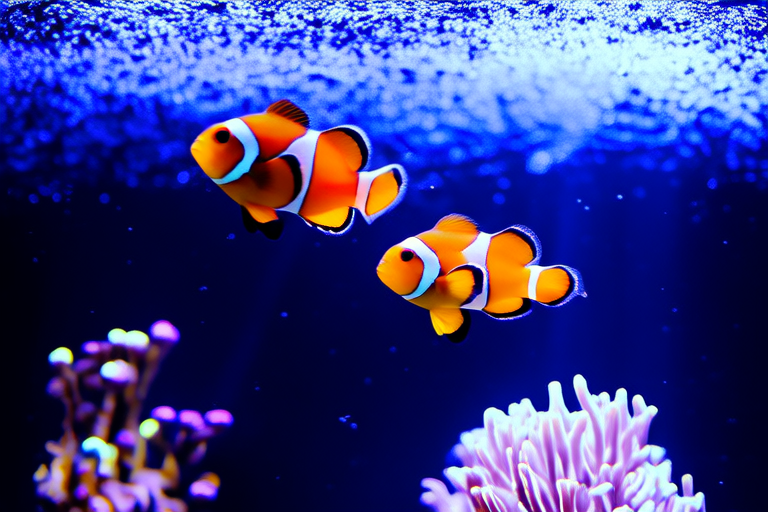
Clownfish Companionship: Secrets to Bonding with Your Aquarium Star
Welcome to the enchanting world of clownfish! These vibrant, charismatic fish have captured the hearts of many aquarists worldwide. Known for their striking orange coloration with white stripes, clownfish are not only visually appealing but also possess unique behaviors that make them a favorite among marine enthusiasts. Their popularity soared after the release of Disney’s Finding Nemo, and since then, they have become a staple in many home aquariums. Understanding the secrets to bonding with your clownfish companions involves delving into their natural behaviors, habitat preferences, and care requirements.
The Unique Charm and Popularity of Clownfish
Clownfish, scientifically known as Amphiprioninae, belong to the family Pomacentridae. They are found in the warm waters of the Pacific and Indian Oceans, particularly around coral reefs. Their vibrant colors and playful nature make them a delightful addition to any aquarium. Notably, clownfish are the only fish species that can live within the tentacles of sea anemones without being stung. This symbiotic relationship has fascinated biologists and hobbyists alike, adding to the mystique of these charming fish.
Natural Behaviors and Habitat Preferences
Understanding the natural behaviors and habitat preferences of clownfish is crucial for their well-being in captivity. In the wild, clownfish are territorial and social, often living in groups within the protective embrace of an anemone. They exhibit a fascinating behavior called ‘cleaning,’ where they remove parasites from other fish. This behavior is not only beneficial for the fish they clean but also strengthens the bonds within their community.
Clownfish thrive in environments that mimic their natural habitats. They prefer temperatures between 76°F and 82°F (24°C to 28°C) and require stable water conditions. The pH level should be maintained between 8.1 and 8.4, and the specific gravity should be kept at 1.020 to 1.025. Providing ample hiding spots, such as caves and rock structures, helps them feel secure and reduces stress. Additionally, incorporating a sea anemone-like plant or structure can enhance their sense of security and stimulate their natural behaviors.
Selecting Compatible Tank Mates
Choosing the right tank mates for your clownfish is essential for maintaining harmony within your aquarium. Clownfish are generally peaceful but can become aggressive towards others of the same species if space is limited. It’s best to house them with fish of similar temperament and size. Some compatible tank mates include damsels, tangs, and wrasses. Avoid keeping them with larger, more aggressive fish that might bully or prey upon them.
When introducing new fish to your aquarium, it’s important to do so gradually. Place the new fish in a quarantine tank for a few weeks to ensure they are healthy and free from diseases. Once you’re confident about their health, introduce them to the main tank slowly. This process allows all fish to acclimate to each other and reduces the risk of stress and aggression.
Setting Up an Optimal Environment
Creating an optimal environment for your clownfish requires attention to detail. Start by choosing a tank that provides enough swimming space. A general rule of thumb is to provide at least 20 gallons of water per clownfish. Ensure the tank has a filtration system capable of handling the waste produced by the fish. Regular water changes, typically 10-20% every two weeks, help maintain water quality.
Lighting plays a vital role in the health and happiness of your clownfish. Use full-spectrum LED lights that simulate natural daylight. These lights should be set to a 12-hour cycle, mimicking day and night cycles in the ocean. This helps regulate their circadian rhythms and encourages natural behaviors.
Feeding Routines
Proper nutrition is key to maintaining the health and happiness of your clownfish. A balanced diet consisting of high-quality flake food, pellets, and occasional treats like brine shrimp or frozen foods will keep them thriving. Feed your clownfish twice daily, offering small portions that they can consume within a few minutes. Overfeeding can lead to poor water quality and obesity, so monitor their eating habits closely.
Varying their diet can stimulate their appetite and provide essential nutrients. Introduce different types of food periodically to ensure they receive a wide range of vitamins and minerals. Additionally, consider supplementing their diet with calcium-rich foods to support their bone and shell development.
Recognizing Signs of Stress or Illness
It’s important to be vigilant for signs of stress or illness in your clownfish. Common indicators of stress include rapid breathing, lethargy, loss of appetite, and abnormal swimming patterns. If you notice any of these signs, investigate potential causes such as poor water quality, overcrowding, or bullying by other fish.
Treating illnesses promptly is crucial for your clownfish’s recovery. Quarantine any sick fish immediately to prevent the spread of disease. Consult with a veterinarian specializing in aquatic animals for proper diagnosis and treatment. Common treatments include antibiotics, anti-parasitic medications, and water conditioners. Always follow the prescribed dosage and duration to avoid harming your fish.
Fostering Interaction and Trust
Bonding with your clownfish can be a rewarding experience. Spend time observing them in their natural habitat, noting their behaviors and interactions. This will deepen your understanding of their needs and preferences. Gently feed them from your hand or a pipette to build trust. Over time, they may even start to recognize you as a source of food and comfort.
Remember, patience is key when fostering interaction and trust. Clownfish can be shy initially, but with consistent positive experiences, they will become more comfortable around you. This bond not only enriches your aquarium experience but also ensures their well-being.
Caring for clownfish is a fulfilling endeavor that brings joy and wonder to both novice and experienced aquarists. By understanding their natural behaviors, providing an optimal environment, and fostering trust, you can create a thriving and vibrant community in your aquarium. Embrace the journey of bonding with these enchanting creatures, and watch as they bring life and color to your underwater world.
