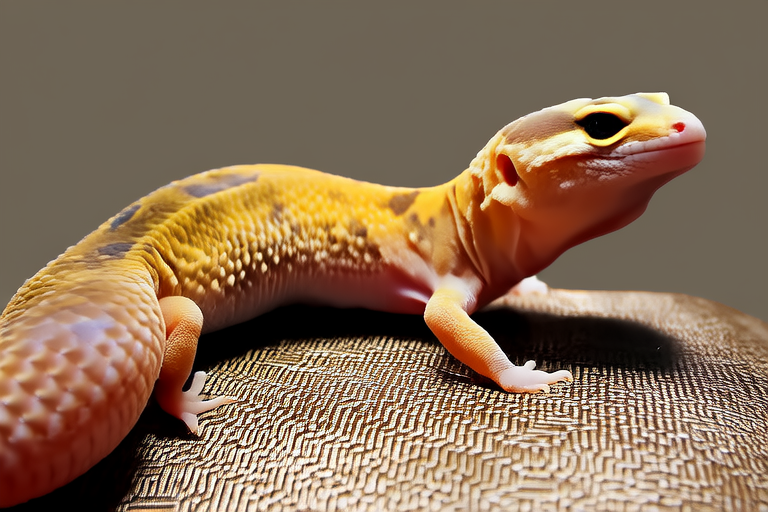
5 Signs Your Leopard Gecko is Healthy and Thriving
Welcome to an insightful guide on ensuring your leopard gecko’s well-being. As a popular reptile pet, leopard geckos require specific care to thrive. This article will explore five key indicators that your gecko is healthy and thriving, providing you with the knowledge to recognize and maintain their optimal health.
1. Optimal Weight
The first sign of a healthy leopard gecko is maintaining an appropriate weight. A healthy adult leopard gecko typically weighs between 40 and 70 grams, depending on its size and gender. Monitoring your gecko’s weight is crucial as it can indicate potential health issues.
To determine if your gecko is at an ideal weight, gently lift it and feel for its spine and hips. The spine should be slightly prominent, but not sharp, and the hips should not protrude noticeably. If your gecko feels too light or heavy, it might be underweight or overweight, respectively. An underweight gecko may suffer from malnutrition, while an overweight gecko could face health complications such as liver problems.
Maintaining a balanced diet is essential for proper weight management. Offer a variety of appropriately sized insects, such as crickets and mealworms, dusted with calcium and vitamin supplements. Feeding frequency should be adjusted based on your gecko’s age and activity level. Juvenile geckos need more frequent feedings, whereas adults may eat every two to three days.
2. Skin Condition
A healthy leopard gecko has smooth, shiny skin without any visible signs of injury or disease. Regularly inspecting your gecko’s skin can help you identify potential issues early. Look for any unusual discoloration, lesions, or abrasions. Leopard geckos shed their skin periodically, usually once every four to eight weeks. During this process, they often hide to avoid stress.
Proper humidity levels are crucial for a successful shedding process. The enclosure should have a moist hide spot with a damp substrate, such as moist paper towels or sphagnum moss. This helps soften the skin, making it easier for the gecko to shed. If your gecko experiences difficulty shedding, particularly around the toes, provide a humid hide and gently assist them if necessary. Avoid pulling off retained skin, as this can cause injury.
Leopard geckos can develop skin conditions due to improper husbandry practices. Metabolic bone disease (MBD), caused by calcium deficiency, can lead to soft bones and skin deformities. Providing a balanced diet rich in calcium and vitamin D3, along with UVB lighting, can prevent MBD. Additionally, maintaining clean and hygienic living conditions reduces the risk of bacterial infections.
3. Activity Levels
Leopard geckos are generally nocturnal and crepuscular animals, meaning they are most active during dawn and dusk. Observing your gecko’s activity levels can provide valuable insights into its overall health. A healthy gecko will show signs of normal activity during feeding times and when exploring its environment.
If your gecko appears lethargic or less active than usual, it could be a sign of underlying health issues. Possible causes include stress, illness, or inadequate environmental conditions. Stress can result from changes in the enclosure, handling, or the presence of other pets. Illnesses, such as respiratory infections or parasites, can also cause lethargy. To address these concerns, ensure your gecko’s enclosure is properly set up with hiding spots, a thermal gradient, and appropriate substrate. Limit handling to minimize stress and consult a veterinarian if you suspect an illness.
Encouraging natural behaviors, such as hunting and foraging, can promote physical and mental stimulation. Provide live prey for your gecko to hunt, and arrange the enclosure with branches and rocks for climbing and exploration. These activities contribute to a healthier, more engaged gecko.
4. Appetite
A healthy appetite is a strong indicator of your leopard gecko’s well-being. A leopard gecko that is eating regularly and showing interest in food is likely in good health. However, sudden changes in appetite can signal potential health issues.
Monitor your gecko’s eating habits closely. If it consistently refuses food or shows a reduced appetite, it could be due to stress, illness, or environmental factors. Stress can result from changes in the enclosure, handling, or the presence of other pets. Illnesses, such as respiratory infections or parasites, can also cause appetite loss. Environmental factors, such as temperature and humidity, can affect your gecko’s willingness to eat.
To encourage a healthy appetite, create a comfortable and stimulating environment. Ensure the enclosure has appropriate temperature gradients, with a warm basking area and a cooler side. Maintain proper humidity levels, especially during shedding periods. Offer a varied diet of appropriately sized insects, dusted with calcium and vitamin supplements. Feed your gecko during its active period, usually at night, to mimic its natural feeding time.
5. Shedding Process
The shedding process is a vital aspect of a leopard gecko’s life cycle. Proper shedding indicates that your gecko is healthy and thriving. A healthy gecko sheds its skin in one piece, from head to tail, without any retained skin or difficulty.
Before shedding, your gecko’s skin may appear dull and cloudy. It may also become less active and hide more frequently. During the shedding process, the gecko’s skin loosens, allowing it to be easily removed. After shedding, the new skin is bright and smooth, indicating a successful process.
Providing a humid hide spot is essential for a successful shedding process. This can be achieved by placing moist paper towels or sphagnum moss in a hide box within the enclosure. The humid hide spot should be easily accessible and large enough for your gecko to enter comfortably. Additionally, maintaining the correct humidity levels throughout the enclosure can help prevent shedding difficulties.
If your gecko experiences difficulty shedding, particularly around the toes, provide a humid hide and gently assist them if necessary. Avoid pulling off retained skin, as this can cause injury. Instead, soak the gecko in lukewarm water for 10-15 minutes, then gently rub the affected area with a soft cloth to help remove the retained skin.
Conclusion
Maintaining a healthy leopard gecko requires attention to detail and regular monitoring. By observing your gecko’s weight, skin condition, activity levels, appetite, and shedding process, you can ensure it thrives in its environment. Providing a balanced diet, appropriate environmental conditions, and regular veterinary check-ups can help prevent potential health issues and promote a long, happy life for your pet. With proper care and attention, your leopard gecko can live up to 20 years, making it a rewarding companion for many years to come.
