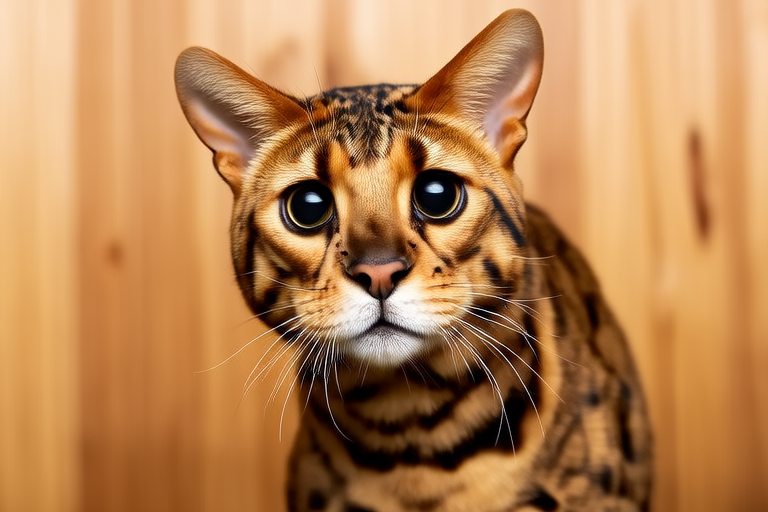
Spots, Swirls, and So Much More: Raising a Happy and Healthy Bengal Cat
Welcome to the captivating world of Bengal cats! Known for their striking appearance and playful personalities, these felines are becoming increasingly popular among pet lovers. With their distinctive coat patterns and high-energy nature, Bengal cats offer a unique companionship experience that can be both challenging and rewarding. This article will guide you through the essentials of raising a happy and healthy Bengal cat, from understanding their unique characteristics to providing them with the right care.
The Unique Characteristics of Bengal Cats
Bengal cats are easily recognizable due to their stunning coats, which feature leopard-like spots or marbled swirls. Their sleek, muscular bodies and expressive eyes make them look like miniature versions of wildcats, but they are entirely domesticated. The result of crossing domestic cats with Asian leopard cats, Bengal cats were first bred in the 1960s by Jean Mill. These hybrid offspring were designed to bring out the best traits of both species, including a strong hunting instinct, agility, and a vibrant personality.
Origins and Temperament
Bengals have an interesting history, combining the grace of their wild ancestors with the affectionate nature of domestic cats. They are intelligent, curious, and often quite vocal, making them excellent communicators. Bengals thrive on interaction and are known for their loyalty to their owners. While they may be more independent than some other breeds, Bengals enjoy being part of family activities and are often found following their humans around the house. Their playful demeanor and high energy levels make them ideal companions for active households.
Energy Levels and Exercise Needs
One of the most notable traits of Bengal cats is their boundless energy. They require ample opportunities for physical activity and mental stimulation to stay happy and healthy. Providing a variety of toys, such as interactive puzzles and feather wands, can help keep Bengals engaged. Additionally, setting up climbing structures or shelves allows them to explore their environment vertically. Regular play sessions and exercise routines are crucial to prevent boredom and obesity.
Creating a Stimulating Environment
To ensure your Bengal cat remains content and well-adjusted, it’s important to create a stimulating environment. Bengals love to climb, so consider investing in a tall scratching post or a multi-level cat tree. Interactive toys, such as laser pointers and treat-dispensing balls, encourage problem-solving skills and provide mental stimulation. Bengals also appreciate water play, so a small water fountain or a shallow dish filled with water can add an element of fun. Rotate toys regularly to keep your Bengal interested and engaged.
Dietary Needs
Proper nutrition is key to maintaining your Bengal cat’s health. A balanced diet rich in protein and essential nutrients supports their active lifestyle. High-quality commercial cat foods formulated for indoor cats or those with higher activity levels are generally suitable. Consult with your veterinarian to determine the appropriate portion sizes and feeding schedule based on your Bengal’s age, weight, and overall health. Avoid overfeeding, as Bengals are prone to obesity, which can lead to various health issues.
Grooming Requirements
Bengals have short, dense coats that require minimal grooming. However, regular brushing helps remove loose hair and prevents matting. Their coats are typically easy to maintain, but they still benefit from occasional baths and nail trimming. Pay attention to dental hygiene as well, as oral health is important for overall well-being. Brush your Bengal’s teeth with a pet-safe toothpaste and brush or provide dental treats to promote good oral health.
Common Health Issues
While Bengals are generally healthy cats, they can be susceptible to certain genetic conditions. Hypertrophic cardiomyopathy (HCM), a heart disease, is one concern, though it can be managed with proper care. Periodontal disease is another issue that can affect Bengal cats, emphasizing the importance of dental hygiene. Regular veterinary check-ups and early intervention can help manage these conditions effectively. Vaccinations and parasite prevention are also crucial for maintaining your Bengal’s health.
Building a Strong Bond
Establishing a strong bond with your Bengal cat involves consistent interaction and positive reinforcement. Spend quality time playing and cuddling with your cat, as they enjoy being close to their human companions. Bengals respond well to clicker training, which can be used to teach them tricks and commands. Positive reinforcement techniques, such as offering treats and praise, encourage desirable behaviors and strengthen the relationship between you and your cat. Building trust and mutual respect leads to a rewarding and fulfilling partnership.
Owning a Bengal cat is an enriching experience that offers numerous benefits. Their unique appearance, playful nature, and loyalty make them wonderful companions. By providing a stimulating environment, appropriate nutrition, and attentive care, you can ensure your Bengal cat lives a long, happy, and healthy life. Embrace the journey of raising a Bengal, and prepare yourself for a lifetime of joy and adventure with your spotted friend.
