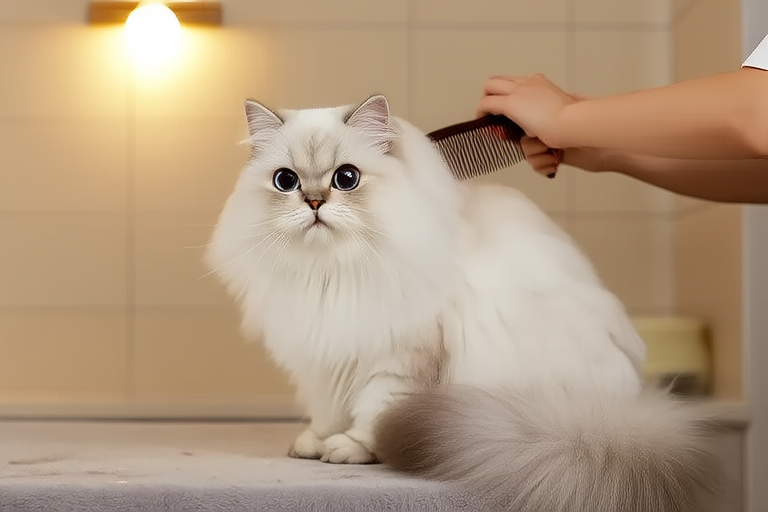
Grooming Persian Cats: A Step-by-Step Guide
Keeping your Persian cat looking and feeling its best requires consistent and gentle grooming. With their long, luxurious coats, Persians need regular attention to maintain their beauty and comfort. This guide will walk you through the essential steps, tools, and techniques for grooming your Persian cat.
Necessary Tools for Grooming Your Persian Cat
To effectively groom your Persian cat, you’ll need a variety of tools:
- Pin brush: For removing tangles and dead hair.
- Wide-toothed comb: To detangle fur without causing discomfort.
- Mat splitter: For separating knots without pulling the hair out.
- Slicker brush: To remove loose fur and prevent matting.
- Flea comb: To check for fleas and other parasites.
- Cat-specific shampoo and conditioner: For occasional baths.
- Ear cleaner: To keep ears clean and free from debris.
- Nail clippers: For trimming nails safely.
- Toothbrush and toothpaste: For dental hygiene.
- Bath mitt: To gently wash your cat during bath time.
Frequency of Grooming
Persian cats require daily grooming to prevent matting and tangling. Spend about 10-15 minutes each day brushing your cat’s coat thoroughly. Regular brushing not only keeps the coat healthy but also helps reduce shedding inside your home. Additionally, it provides an opportunity for bonding with your pet.
Hairball Management
Persian cats often suffer from hairballs due to excessive grooming. To manage this issue, consider these tips:
- Feed your cat a diet high in fiber to help move hair through the digestive system.
- Offer hairball remedies or treats designed to assist in passing hairballs.
- Encourage more water intake by providing fresh water at all times and wet food.
If your cat vomits frequently or has difficulty passing hairballs, consult a veterinarian.
Bathing Techniques
While Persians don’t need frequent baths, they may require one every few months. Here’s how to bathe your Persian cat:
- Prepare the bathroom: Close doors and windows to avoid escape. Place a rubber mat in the tub to provide traction.
- Fill the tub: Use lukewarm water and a non-sudsing, tear-free, cat-specific shampoo.
- Wet your cat: Slowly pour water over your cat, avoiding the head area.
- Lather gently: Apply shampoo and massage it into your cat’s coat, focusing on areas prone to matting.
- Rinse thoroughly: Ensure no shampoo remains in the coat.
- Dry your cat: Use a towel to pat your cat dry. You can also use a hair dryer set on low heat and held at a safe distance.
Nail Care
Trimming your Persian cat’s nails regularly is crucial. Here’s how to do it:
- Get comfortable: Sit on the floor or a chair where your cat feels secure.
- Examine the paws: Identify the quick (a pink, blood-filled area) and trim only the tip of the nail.
- Use nail clippers: Hold the paw gently and clip the nail just above the quick.
- Apply styptic powder: If you accidentally cut the quick, apply styptic powder to stop bleeding.
- Offer rewards: Give your cat treats after the procedure to create positive associations.
Ear Cleaning
Clean your Persian cat’s ears weekly to prevent infections:
- Inspect the ears: Look for signs of redness, swelling, or discharge.
- Use ear cleaner: Apply a few drops of cat-specific ear cleaner into the ear canal.
- Gently massage the base of the ear: This helps distribute the cleaner and loosen debris.
- Wipe the ear: Use a cotton ball or soft cloth to wipe away dirt and debris from the outer ear.
- Avoid inserting objects: Do not insert anything into the ear canal.
Teeth Brushing
Maintaining oral hygiene is vital for your Persian cat’s health:
- Select a toothbrush: Choose a small, soft-bristled toothbrush designed for cats.
- Choose toothpaste: Use a toothpaste made specifically for cats.
- Introduce gradually: Let your cat smell and taste the toothpaste before attempting to brush.
- Brush gently: Lift your cat’s lip and brush the outer surfaces of the teeth in a circular motion.
- Be patient: It may take several sessions for your cat to become accustomed to the process.
Common Grooming Challenges and Solutions
Grooming a Persian cat can present some challenges. Here are some common issues and solutions:
- Matting: Use a mat splitter to carefully separate knots. If mats are severe, seek professional help.
- Resisting baths: Gradually introduce your cat to water by using a spray bottle or damp washcloth.
- Nervousness during grooming: Create a calm environment and reward your cat with treats and praise.
- Overgrooming: Consult a veterinarian if your cat excessively licks or bites its fur, as this could indicate stress or health issues.
The Importance of Patience and Regularity
Grooming your Persian cat is not just about keeping them clean; it’s about building trust and ensuring their well-being. Regular grooming sessions allow you to bond with your cat while checking for any potential health issues such as skin irritations, parasites, or injuries. Patience is key, especially when dealing with a cat that may be resistant to grooming. By staying consistent and gentle, you’ll help your Persian cat stay healthy and happy.
Remember, every cat is unique, so adapt these guidelines to suit your pet’s individual needs and preferences. With practice and dedication, grooming can become a rewarding and enjoyable routine for both you and your Persian cat.
