From Catwalk to Couch: The Journey of the Iconic Scottish Fold
The world of feline companionship is rich with diverse breeds, each bringing its unique charm and appeal. Among these, the Scottish Fold stands out with its distinctively folded ears and round, expressive faces. This article delves into the fascinating journey of this breed, from its humble beginnings on a Scottish farm to its current status as a beloved pet across the globe.
Unique Physical Traits
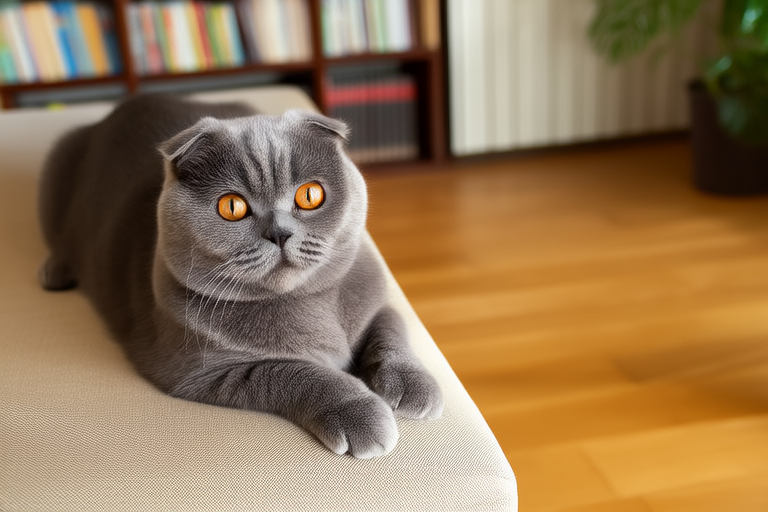
The most striking feature of the Scottish Fold is undoubtedly its folded ears, which give it a distinctive appearance that many liken to an owl. These ears are caused by a natural genetic mutation affecting the cartilage of the ear, causing it to fold forward and downwards. This characteristic is present at birth and becomes more pronounced as the kitten grows. The folded ears can vary in degree; some cats have fully folded ears, while others have semi-folded or only slightly bent ones.
Besides their ears, Scottish Folds are known for their round faces, large eyes, and compact bodies. Their coats come in a variety of colors and patterns, adding to their allure. The breed’s soft, dense fur is often medium-length, providing them with a plush and cuddly appearance. These physical attributes make the Scottish Fold a standout among cat enthusiasts.
Origins and History
The story of the Scottish Fold begins on a farm near Coupar Angus in Perthshire, Scotland, in 1961. A barn cat named Susie was found with unusual folded ears by William Ross, who owned the farm. Susie’s kittens inherited her folded ears, leading Ross to develop the breed. He partnered with geneticist Pat Turner to create a breeding program that would preserve and enhance the breed’s unique characteristics.
The breed gained recognition in the United Kingdom in the 1970s, but its popularity truly soared when it was introduced to the United States in the early 1970s. American breeders were captivated by the Scottish Fold’s distinctive appearance and gentle nature, and they began to establish breeding programs of their own. By the late 1970s, the Scottish Fold had become a recognized breed in various cat registries worldwide.
A pivotal figure in the breed’s rise to fame was Michael Simpson, who played a crucial role in establishing the breed in the U.S. His efforts helped solidify the Scottish Fold’s reputation as a charming and affectionate companion. Today, the breed is recognized by major cat registries such as The International Cat Association (TICA) and the Cat Fanciers’ Association (CFA).
Common Misconceptions
Despite their popularity, there are several misconceptions surrounding the health and temperament of Scottish Folds. One common myth is that all Scottish Folds suffer from severe health issues due to their folded ears. While it is true that the gene responsible for the folded ears can lead to some health problems, particularly in homozygous cats (those with two copies of the gene), careful breeding practices have significantly reduced the incidence of these issues.
Research has shown that heterozygous cats (those with one copy of the gene) generally do not experience the same health complications as their homozygous counterparts. Heterozygous Scottish Folds are healthier and live longer lives. It is important for potential owners to work with reputable breeders who prioritize the health and well-being of their cats.
Another misconception is that Scottish Folds are aloof or distant. In reality, they are known for their friendly and sociable nature. They enjoy interacting with their human companions and can form strong bonds with their families. Their playful and curious personalities make them delightful companions for people of all ages.
Tips for Potential Owners
If you’re considering adopting a Scottish Fold, there are several factors to keep in mind to ensure your new furry friend thrives. First and foremost, it is crucial to choose a reputable breeder who adheres to ethical breeding practices. Reputable breeders will provide health clearances for their cats and be transparent about the genetic background of the kittens.
Due to their dense fur, Scottish Folds require regular grooming to prevent matting and skin irritations. Brushing their coat at least once a week will help maintain its health and appearance. Additionally, because of their folded ears, it is essential to clean their ears gently to prevent wax buildup and infections. Regular check-ups with a veterinarian will help monitor their overall health and address any potential issues early on.
Scottish Folds are generally adaptable and can thrive in various living environments, from apartments to larger homes. However, they do require mental stimulation and social interaction to stay happy and healthy. Providing them with interactive toys and spending quality time with them daily will help fulfill their need for engagement.
Lastly, it is important to note that Scottish Folds are prone to obesity if not given proper care. Maintaining a balanced diet and ensuring they get adequate exercise are key to keeping them at a healthy weight. Obesity can exacerbate health issues and reduce their lifespan, so monitoring their food intake and encouraging playtime are vital aspects of their care.
Conclusion
The journey of the Scottish Fold from a single farm cat in Scotland to a globally recognized breed is a testament to the enduring appeal of unique and loving feline companions. With their distinctive folded ears, round faces, and gentle temperaments, Scottish Folds have captured the hearts of cat lovers everywhere. By understanding their needs and providing them with the proper care, potential owners can ensure that their Scottish Fold will bring joy and companionship to their lives for years to come.
