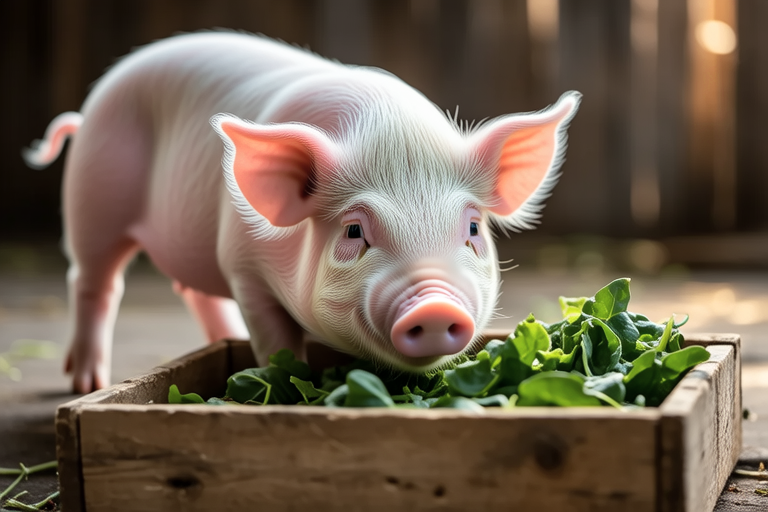
From Micro to Mighty: Everything You Need to Know About Mini Pigs
Introduction to Mini Pigs: Origins and Popularity Growth
The world of miniature pigs has seen an unprecedented surge in popularity over the past few decades. These pint-sized versions of their larger counterparts originated from selective breeding programs aimed at creating smaller, more manageable animals for various purposes, including research, companionship, and exhibition. Initially bred in countries like Thailand and Vietnam, where they were used as food sources, these pigs have since been selectively bred for their diminutive size, leading to the emergence of several distinct breeds such as the Juliana, Pot-bellied, and KuneKune.
Their growing popularity can be attributed to their charming personalities, relatively low maintenance compared to dogs, and their ability to thrive in both urban and rural settings. As social media platforms have amplified the visibility of these delightful creatures, more individuals are considering them as potential pets, making mini pigs a trending choice among animal lovers worldwide.
Characteristics: Size Variations, Lifespan, and Temperament
Mini pigs exhibit considerable variation in size, with adult weights ranging from 50 to 300 pounds depending on breed and individual genetics. Despite their name, many mini pigs can grow quite large, especially if not properly managed through diet and exercise. Their lifespan averages between 12 to 20 years, offering long-term companionship for those willing to commit.
Temperament-wise, mini pigs are intelligent, curious, and affectionate. They form strong bonds with their human families and can even learn to respond to basic commands. However, they require consistent training and socialization to prevent behavioral issues such as destructiveness or aggression. Their intelligence also means they need mental stimulation to avoid boredom, which can lead to undesirable behaviors.
Care Requirements: Diet, Housing, and Exercise
Diet is crucial for maintaining a healthy mini pig. A balanced diet includes high-quality pellets designed specifically for pigs, supplemented with fresh fruits and vegetables. It’s important to avoid feeding them too many carbohydrates or sugary treats, as this can lead to obesity and related health problems. Fresh water should always be available, and feeding schedules should be regular to prevent overeating.
Housing needs vary based on climate and living conditions but should provide ample space for movement and comfort. Mini pigs prefer environments that mimic their natural habitats, including areas for rooting and foraging. Indoor living spaces should be safe and free from hazards like toxic plants or small objects they might ingest. Outdoor enclosures should offer shelter from extreme weather and protection against predators.
Regular exercise is vital for keeping mini pigs healthy and happy. Daily walks or playtime in a secure area allow them to burn off energy and maintain muscle tone. Interactive toys and puzzles can also help stimulate their minds and keep them engaged.
Health Concerns: Common Illnesses and Preventive Care
Common health issues in mini pigs include dental problems, respiratory infections, parasites, and obesity-related conditions. Regular veterinary check-ups are essential for early detection and treatment of these ailments. Vaccinations should be up-to-date, and routine deworming should be part of their healthcare regimen.
To prevent health problems, it’s crucial to maintain a clean environment, provide a nutritious diet, and ensure proper hygiene practices. Spaying or neutering can reduce the risk of certain cancers and behavioral issues. Owners should also be vigilant about any changes in their pig’s behavior or physical condition, seeking professional advice promptly if anything seems amiss.
Training Tips: Behavior Management and Commands
Training mini pigs requires patience and positive reinforcement techniques. Basic commands like sit, stay, come, and no can be taught using treats as rewards. Consistency is key; the same commands should be used by all family members to avoid confusion.
Behavior management involves addressing unwanted behaviors through redirection and ignoring bad habits rather than punishment. For example, if your pig engages in destructive chewing, provide appropriate chew toys instead. Teaching them to use a litter box or go potty outside can also enhance cohabitation within the household.
Adoption Considerations: Choosing a Breeder and Legal Regulations
When adopting a mini pig, choosing a reputable breeder is paramount. Look for breeders who prioritize the well-being of their animals and provide documentation of health checks and vaccinations. Research local laws regarding pet ownership, including restrictions on species, size limits, and required permits. Some areas may have zoning laws that prohibit certain types of livestock, so it’s important to understand what’s allowed before bringing a mini pig home.
Consider factors like availability of space, time commitment, financial resources, and compatibility with other pets when deciding whether a mini pig is right for you. Consulting with experienced owners or joining online communities can provide valuable insights into raising these unique animals.
Personal Stories or Anecdotes About Mini Pig Owners
Jane Doe shares her experience adopting a mini pig named Charlie. “Charlie has brought so much joy into our lives,” she says. “He loves playing fetch and snuggling on the couch. We’ve had some challenges along the way, but with patience and proper care, we’ve built a wonderful bond.”
Another owner, John Smith, recounts how his mini pig, Daisy, helped him overcome loneliness after losing his wife. “Daisy has become my best friend,” he says. “She follows me everywhere and always knows when I need a hug. Her presence has made all the difference.”
Conclusion: Summarizing Key Points and Encouraging Responsible Ownership
Raising a mini pig is a rewarding yet challenging endeavor that demands dedication and responsibility. By understanding their origins, characteristics, care requirements, health concerns, training methods, and adoption considerations, prospective owners can ensure a fulfilling relationship with these remarkable animals. Remember, adopting a mini pig is a lifelong commitment, and it’s essential to approach it with thoughtfulness and preparedness.
