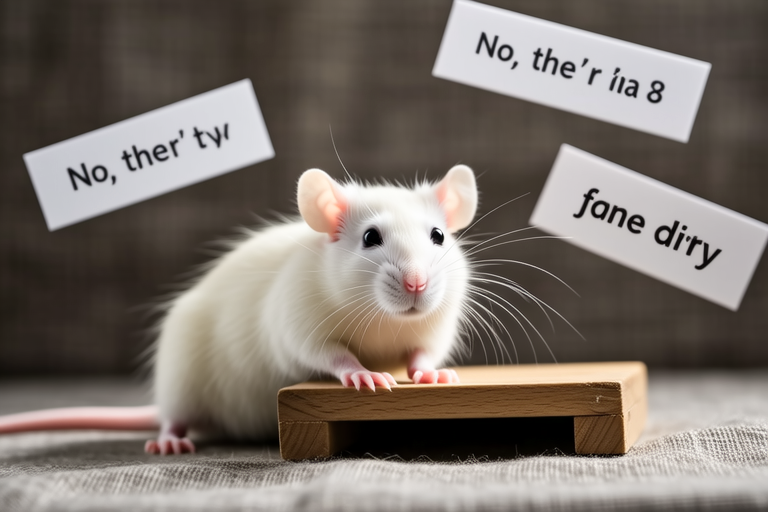
Top 10 Myths Debunked About Fancy Rats
Fancy rats, also known as domesticated brown rats, have been popular pets for decades. Despite their growing popularity, many misconceptions still surround these intelligent and sociable creatures. This article aims to debunk ten common myths about fancy rats, providing you with accurate information based on scientific facts and personal experiences.
Myth 1: Fancy Rats Are Dirty Animals
Myth: Many people believe that fancy rats are inherently dirty animals due to their reputation in urban environments.
Debunking: In reality, fancy rats are quite clean. They spend a significant portion of their day grooming themselves, similar to cats. They are meticulous about keeping their fur and living spaces tidy. As pet owners, it’s essential to provide them with appropriate bedding and cleaning supplies to maintain their hygiene. Regular cage cleaning and proper sanitation practices will ensure your rats remain healthy and odor-free.
Myth 2: Fancy Rats Are Noisy Pets
Myth: There is a widespread belief that fancy rats make a lot of noise, which can be disruptive.
Debunking: While rats can communicate through various vocalizations, they are generally quiet pets. Their sounds are usually soft and include chirping, squeaking, and chattering. These noises are often subtle and won’t disturb your neighbors or family members. In fact, many owners find these sounds endearing rather than irritating. Additionally, rats tend to be more active during the evening and night, so any potential noise is less likely to interfere with daytime activities.
Myth 3: Fancy Rats Have Complex Dietary Needs
Myth: Some people think that fancy rats require a highly specialized diet.
Debunking: The truth is that fancy rats have relatively simple dietary needs. A balanced diet consists of commercial rat pellets, fresh fruits, vegetables, and occasional treats like nuts or seeds. It’s important to avoid feeding them foods high in sugar or fat, such as chocolate or avocados, as these can be harmful. Providing a variety of healthy options ensures that your rats receive all necessary nutrients without overcomplicating their diet.
Myth 4: Fancy Rats Are Solitary Creatures
Myth: Another misconception is that fancy rats prefer solitude.
Debunking: On the contrary, fancy rats are highly social animals that thrive in groups. They enjoy interacting with both humans and other rats. In the wild, they live in colonies, and this social structure translates well into a domestic setting. Housing two or more rats together encourages play, grooming, and companionship, leading to happier and healthier pets. However, introducing new rats to an existing group requires careful planning to prevent stress or aggression.
Myth 5: Fancy Rats Need Large Living Spaces
Myth: There is a notion that fancy rats require extensive living areas.
Debunking: While rats appreciate spacious enclosures, they don’t necessarily need large living spaces. A suitable habitat should provide enough room for exercise, exploration, and sleeping. A standard cage measuring at least 24 inches long, 18 inches wide, and 12 inches tall per rat is adequate. Adding tunnels, hammocks, and toys enriches their environment without requiring excessive space. Proper enrichment is key to ensuring rats stay mentally stimulated and physically active.
Myth 6: Fancy Rats Are Prone to Health Issues
Myth: Some believe that fancy rats frequently suffer from various health problems.
Debunking: Like any pet, fancy rats can face health challenges, but with proper care, these risks can be minimized. Common issues include respiratory infections, tumors, and dental problems. Regular vet check-ups, maintaining clean living conditions, and offering a nutritious diet contribute significantly to their overall health. Early detection and treatment of potential issues are crucial for preventing more severe complications. By addressing these factors proactively, you can help your rats live longer, healthier lives.
Myth 7: Fancy Rats Cannot Be Trained
Myth: There is a perception that fancy rats are difficult to train.
Debunking: Fancy rats are surprisingly intelligent and trainable. They can learn tricks such as coming when called, using a litter box, and even performing simple commands. Positive reinforcement techniques, including rewards like small treats or praise, encourage good behavior. Training sessions should be short and fun, allowing your rats to associate learning with positive experiences. With patience and consistency, you’ll be amazed at how much your rats can learn.
Myth 8: Fancy Rats Have a Short Life Span
Myth: Many assume that fancy rats have a very short lifespan.
Debunking: The average lifespan of a fancy rat is between two to three years, but some can live up to four years with optimal care. Factors influencing longevity include genetics, diet, living conditions, and veterinary care. Ensuring your rats receive proper nutrition, regular exercise, and timely medical attention contributes to a longer, healthier life. Understanding the typical lifespan helps set realistic expectations and fosters responsible ownership.
Myth 9: Fancy Rats Are Not Popular as Pets
Myth: Some people believe that fancy rats aren’t commonly kept as pets.
Debunking: Fancy rats are increasingly becoming popular pets worldwide. Their intelligence, affectionate nature, and ease of care make them appealing companions. Many individuals choose rats as pets because they offer a unique bond compared to more traditional pets like dogs or cats. Additionally, rats are often used in educational settings to teach children about responsibility and animal care. Their growing popularity reflects the diverse range of pets available today.
Myth 10: Fancy Rats Are Aggressive by Nature
Myth: A prevalent misconception is that fancy rats are naturally aggressive.
Debunking: Fancy rats are not inherently aggressive; instead, they are curious and friendly animals. Aggressive behavior typically stems from fear, pain, or improper handling. Handling your rats gently and frequently from a young age helps build trust and reduces the likelihood of aggression. Providing a safe and stimulating environment also promotes positive interactions. If you encounter aggressive behavior, consult with a veterinarian or experienced breeder for guidance on addressing the issue.
In conclusion, fancy rats are fascinating, intelligent, and rewarding pets once you understand the truth behind these common myths. By debunking these misconceptions, we hope to inspire responsible ownership and foster a deeper appreciation for these wonderful creatures. Whether you’re a first-time owner or a seasoned enthusiast, taking the time to learn about your rats’ needs and behaviors will enhance your relationship with them and ensure they lead happy, healthy lives.
