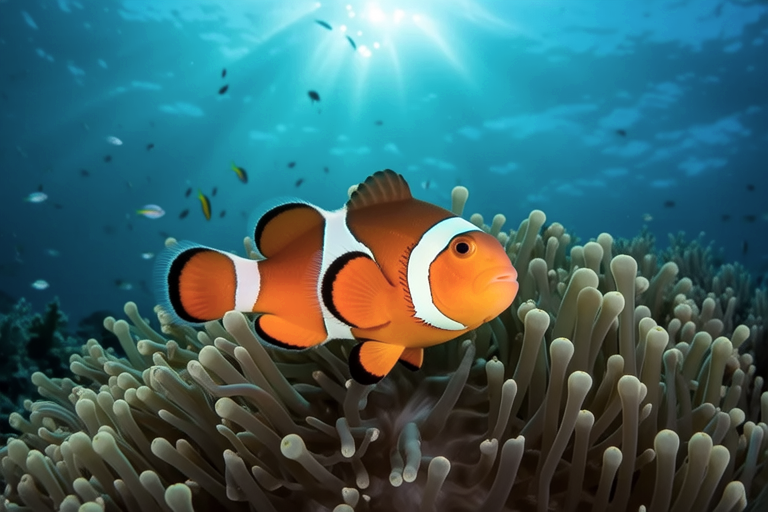
How Nemo Found His Home: Unraveling the Natural Habitat of Clownfish
In the heartwarming tale of “Finding Nemo,” audiences around the world were introduced to the charismatic clownfish, Nemo, and his adventurous journey back to his home reef. The film’s portrayal of Nemo’s habitat sparked curiosity about the true nature of clownfish and their environments. This article delves into the fascinating world of real clownfish, exploring their natural habitats, symbiotic relationships, and the challenges they face in today’s changing oceanic environment.
The Iconic Clownfish: From Movie to Reality
The clownfish, or Amphiprioninae, is perhaps best known through its starring role in Pixar’s animated film “Finding Nemo.” With their bright orange bodies adorned with white stripes, clownfish are easily recognizable. The film’s portrayal of Nemo’s home reef and his interactions with the sea anemone captured the imagination of viewers, offering a glimpse into the underwater world. However, the reality of clownfish habitats is far more intricate and scientifically rich.
Understanding the Real Clownfish Habitat
Clownfish are found in the tropical and subtropical waters of the Indo-Pacific region, specifically within coral reef systems. These vibrant ecosystems are characterized by a diverse array of corals, sponges, and other marine organisms that provide essential shelter and food for numerous species. Clownfish are particularly associated with sea anemones, which serve as both a home and a protective barrier against predators.
The symbiotic relationship between clownfish and sea anemones is one of nature’s most remarkable partnerships. Sea anemones possess stinging cells called nematocysts, which protect them from potential threats. In return, clownfish receive shelter and protection from predators. Additionally, clownfish help to aerate the water around the anemone and may even remove parasites from it. This mutually beneficial relationship underscores the complexity and interdependence of marine life.
Types of Coral Reefs and Geographical Distribution
Coral reefs, the primary habitat for clownfish, can be categorized into three main types: fringing reefs, barrier reefs, and atolls. Fringing reefs grow along coastlines, often close to land, while barrier reefs are separated from the shore by a lagoon. Atolls, which are circular or oval-shaped reefs, encircle a lagoon and are typically found in open ocean areas.
Clownfish are predominantly found in the Indo-Pacific region, spanning from the eastern coast of Africa to the central Pacific Ocean. Notable locations include the Great Barrier Reef off the coast of Australia, the Maldives, and the Philippines. Each of these areas supports a diverse range of coral species, providing ideal conditions for clownfish and their sea anemone hosts.
Environmental Factors Crucial for Survival
The survival of clownfish depends on several key environmental factors. Water temperature plays a critical role, with clownfish thriving in waters ranging from 23°C to 28°C (73°F to 82°F). Salinity levels must also remain stable, typically between 34 to 36 parts per thousand. Prey availability is another vital component, with clownfish primarily feeding on algae, plankton, and small invertebrates.
These conditions create a delicate balance necessary for the health of clownfish populations. Any significant deviation from these parameters can disrupt the ecosystem, potentially leading to declines in clownfish numbers.
Conservation Efforts and Climate Change
The delicate balance of clownfish habitats is increasingly threatened by climate change and human activities. Rising sea temperatures can lead to coral bleaching, where corals expel the algae living in their tissues, turning white and often dying. This phenomenon not only affects the coral but also the many species that depend on it, including clownfish.
Efforts to conserve clownfish habitats focus on protecting coral reefs and reducing pollution. Initiatives include the establishment of marine protected areas, the promotion of sustainable fishing practices, and the reduction of carbon emissions. By preserving these ecosystems, we can ensure the survival of clownfish and the countless other species that call coral reefs home.
The Importance of Preserving Marine Ecosystems
The story of Nemo’s journey back to his home reef serves as a powerful metaphor for the resilience and adaptability of marine life. While the challenges facing clownfish and their habitats are significant, there is hope. Through education, awareness, and collective action, we can work towards preserving these delicate ecosystems. By understanding and appreciating the intricate relationships within marine environments, we can contribute to the ongoing effort to protect our oceans and all the creatures that call them home.
In conclusion, the journey of Nemo from the movie screen to the real ocean provides a valuable opportunity to explore the wonders of clownfish and their habitats. By delving into the science behind their symbiotic relationships, geographical distribution, and the challenges they face, we gain a deeper appreciation for the importance of marine conservation. Let us continue to support and advocate for the preservation of these vital ecosystems, ensuring a future where clownfish, like Nemo, can find and maintain their homes.
