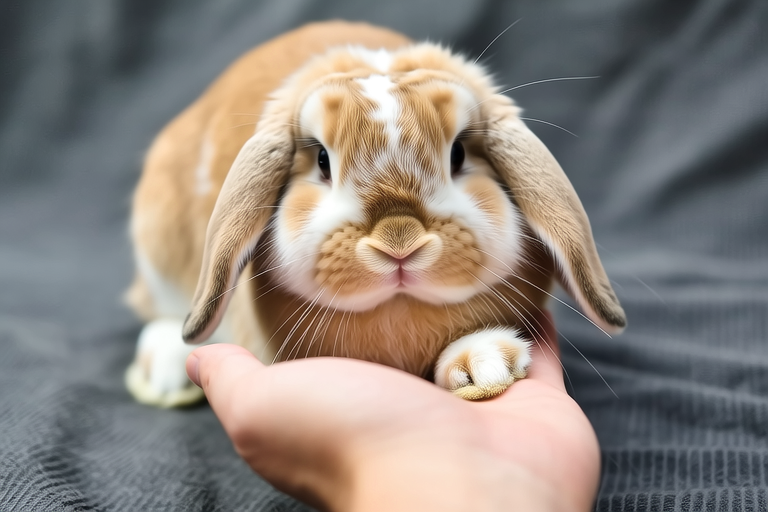
Lop Rabbit Training Tricks: Easy Steps for Happy Pets
Welcome to the wonderful world of lop rabbits! Known for their gentle, friendly demeanor and floppy ears, lop rabbits make excellent companions for families and individuals alike. Their calm nature and playful spirit make them perfect pets for those looking for a loving, low-maintenance friend. Lop rabbits are intelligent creatures that can learn various tricks and behaviors, making training both fun and rewarding for both you and your furry friend. In this guide, we will explore easy steps to train your lop rabbit, focusing on essential skills such as litter training, following simple commands, and encouraging good behavior. We’ll also discuss the importance of positive reinforcement and consistency in your training efforts.
Understanding Your Lop Rabbit
Before diving into training, it’s crucial to understand your lop rabbit’s unique personality and needs. Lop rabbits are social animals that thrive on interaction and attention. They are generally friendly and enjoy being part of family activities. However, they require patient handling and gentle encouragement. Each rabbit has its own pace and preferences, so it’s important to be attentive to your pet’s individual needs during training sessions.
Basic Training Techniques
Litter Training
Litter training your lop rabbit is one of the first steps in establishing a harmonious living environment. Rabbits naturally prefer to eliminate in one specific area, which makes them relatively easy to train. To begin, choose a suitable litter box and place it in a quiet corner of your home where your rabbit spends most of its time. Fill the box with a soft, absorbent material such as hay or paper-based litter.
Encourage your rabbit to use the litter box by placing some of its droppings inside the box. Praise your rabbit when it uses the box correctly. If accidents occur, simply clean up without scolding, as negative reactions may cause confusion and stress. With consistent encouragement and patience, your lop rabbit will quickly learn to use the litter box reliably.
Simple Commands
Teaching your lop rabbit simple commands can enhance communication and strengthen your bond. Two fundamental commands to start with are ‘come’ and ‘sit.’ To teach ‘come,’ call your rabbit’s name followed by the command ‘come.’ Use a treat to lure your rabbit towards you, praising it when it arrives. Repeat this process several times each day until your rabbit responds to the command without needing the treat.
For the ‘sit’ command, hold a treat above your rabbit’s head, prompting it to sit up. As soon as your rabbit sits, offer the treat and praise. Practice this command regularly, gradually increasing the time before giving the treat to reinforce the behavior.
Encouraging Good Behavior
In addition to basic commands, it’s essential to encourage good behavior throughout your rabbit’s daily routine. This includes proper grooming, socialization, and exercise. Regular brushing helps keep your lop rabbit’s coat healthy and reduces shedding. Spend quality time interacting with your rabbit, allowing it to explore new environments under supervision. Providing toys and tunnels encourages physical activity and mental stimulation.
Avoid punishing bad behavior; instead, redirect your rabbit’s attention to more appropriate activities. For example, if your rabbit is chewing on furniture, provide chew toys designed specifically for rabbits. Positive reinforcement, such as treats and praise, is much more effective in shaping desired behaviors.
The Power of Positive Reinforcement
Positive reinforcement is a key component of successful rabbit training. It involves rewarding desirable behaviors with treats, praise, or playtime. This method strengthens the bond between you and your pet while ensuring that training sessions remain enjoyable for both of you. When using treats, choose small, healthy options such as fresh vegetables or commercial rabbit treats. Avoid overfeeding, as excessive treats can lead to obesity.
Timing is crucial in positive reinforcement. Reward your rabbit immediately after it performs the desired action to ensure it associates the treat with the behavior. Over time, you can reduce the frequency of treats while continuing to praise your rabbit for good behavior.
Patience and Consistency
Patience and consistency are vital in training any pet, including lop rabbits. Training sessions should be short, typically no longer than 10 to 15 minutes, to maintain your rabbit’s interest and prevent fatigue. Be consistent in your approach, using the same commands and rewards each time. This consistency helps your rabbit understand what is expected of it.
Every rabbit learns at its own pace, so it’s important to remain patient throughout the training process. Celebrate small successes and avoid becoming frustrated if progress seems slow. Remember, training is a journey, not a race. The goal is to create a happy, well-behaved pet that enjoys spending time with you.
Maintaining a Happy and Healthy Environment
To ensure your lop rabbit remains happy and healthy, provide a safe, stimulating environment. A spacious, clean cage or enclosure is essential, along with plenty of fresh water and a balanced diet. Offer a variety of hay, fresh vegetables, and pellets formulated for rabbits. Rotate toys and activities to prevent boredom and encourage exploration.
Spend quality time with your rabbit every day, engaging in play and training sessions. This interaction fosters trust and strengthens the bond between you and your pet. Regular veterinary check-ups are also crucial for maintaining your rabbit’s health and well-being.
Training your lop rabbit not only enhances its behavior but also deepens the connection between you and your pet. By following these easy steps and remaining patient and consistent, you’ll create a loving, harmonious relationship with your lop rabbit. Enjoy the journey of learning and growing together!
