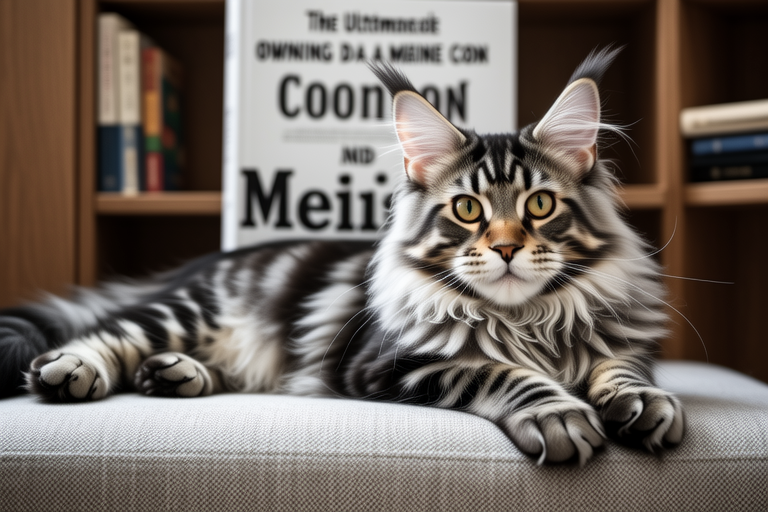
The Ultimate Guide to Owning and Loving a Maine Coon
With their striking appearance and gentle demeanor, it’s no wonder that Maine Coons have become one of the most popular cat breeds worldwide. Known as the “gentle giants” of the feline world, these large and loving cats are cherished by many for their playful nature and affectionate personalities. This comprehensive guide will provide you with all the information you need to own and love a Maine Coon, from understanding their origins and physical traits to ensuring their health and happiness.
Introduction: The Popularity and Unique Characteristics of Maine Coons
Maine Coons are often described as dogs among cats due to their friendly and sociable nature. They are known for their intelligence, curiosity, and strong desire to be involved in family activities. These cats are also famous for their impressive size; they can grow up to 40 pounds and reach lengths of 36 inches or more. Their thick, water-resistant coats, tufted ears, and bushy tails make them well-suited for cold climates. Despite their size, Maine Coons are generally calm and patient, making them excellent companions for families and individuals alike.
Origins and Physical Traits
The exact origins of the Maine Coon are shrouded in mystery, but it is believed that they developed naturally in the state of Maine, USA, over 400 years ago. One popular legend suggests that they are descendants of longhaired cats brought to America by Marie Antoinette during her failed attempt to escape France. Regardless of their true beginnings, Maine Coons have adapted well to their environment, becoming hardy and robust animals capable of thriving in harsh weather conditions.
Physically, Maine Coons are distinguished by their large, muscular bodies, broad chests, and powerful legs. Their heads are triangular with high cheekbones and square muzzles. Their eyes are large and expressive, typically green, gold, or copper in color. Their coats come in various colors and patterns, including tabby, tortoiseshell, and solid colors. The fur is medium-long and silky, with a ruff around the neck that adds to their majestic appearance.
Temperament and Personality
Maine Coons are renowned for their friendly and outgoing personalities. They are highly social animals who enjoy interacting with their human families. Unlike some other breeds, they are not overly independent and will often follow their owners from room to room. Maine Coons are intelligent and can be trained to perform tricks or use a litter box. They are also known for their playful nature, particularly when young, and many enjoy playing fetch or solving puzzles designed for cats.
Despite their playful side, Maine Coons are generally calm and easygoing. They are not typically aggressive towards strangers or other pets, making them ideal for households with children or multiple animals. Their patience and tolerance for handling make them great therapy animals, providing comfort and companionship to those in need.
Grooming Needs
Due to their thick coats, Maine Coons require regular grooming to keep their fur healthy and free of mats. Brushing your cat at least once a week is recommended, though more frequent brushing may be necessary during shedding seasons. Use a slicker brush or a wide-toothed comb to remove loose hair and prevent matting. Pay special attention to areas such as behind the ears, under the tail, and around the paws.
Bathing your Maine Coon is usually not necessary unless they get particularly dirty or develop a skin condition. If you do bathe your cat, use a shampoo specifically formulated for cats and ensure that you rinse thoroughly to avoid leaving any residue behind. After bathing, dry your cat with a towel and allow them to air dry completely before brushing again.
Dietary Requirements
Maine Coons have specific dietary needs due to their large size and active lifestyles. A balanced diet rich in protein, fat, and essential nutrients is crucial for maintaining their health and energy levels. Look for high-quality commercial cat foods that list meat or fish as the primary ingredient. Avoid foods containing fillers like corn, wheat, or soy, which can contribute to weight gain and digestive issues.
Feeding your Maine Coon two meals per day is generally recommended, rather than leaving food out all the time. This helps regulate their eating habits and prevents obesity, a common issue among this breed. Be mindful of portion sizes and monitor your cat’s weight regularly. Obesity can lead to numerous health problems, including joint pain, diabetes, and heart disease.
Common Health Issues
While Maine Coons are generally healthy, they are prone to certain genetic disorders. Hypertrophic cardiomyopathy (HCM) is a heart condition that causes the walls of the heart to thicken, potentially leading to heart failure. Polycystic kidney disease (PKD) is another concern, characterized by the growth of cysts on the kidneys, which can eventually lead to kidney failure. Both HCM and PKD are inherited conditions, so it’s important to purchase your cat from a reputable breeder who screens for these diseases.
Other common health issues include hip dysplasia, dental problems, and allergies. Regular veterinary check-ups and preventative care, such as vaccinations and parasite control, are essential for keeping your Maine Coon healthy. Early detection and treatment of any health problems can help extend your cat’s lifespan and improve their quality of life.
Training, Exercise, and Socialization
Training your Maine Coon can be an enjoyable and rewarding experience. Positive reinforcement techniques, such as offering treats or praise, work best for teaching your cat new behaviors. You can train your cat to sit, stay, or even walk on a leash. Leash training can be particularly useful if you live in an apartment or want to take your cat for walks outside.
Exercise is vital for maintaining your Maine Coon’s physical and mental well-being. Interactive toys, such as laser pointers or feather wands, encourage play and stimulate your cat’s hunting instincts. Puzzle feeders can also provide mental stimulation while satisfying your cat’s natural desire to hunt for food. Regular play sessions can help prevent obesity and boredom, promoting a healthier and happier lifestyle.
Socialization is equally important for your Maine Coon’s development. Exposing your cat to different people, animals, and environments from an early age helps build confidence and reduces the likelihood of behavioral problems later in life. Encourage your cat to interact with visitors and introduce them to other pets gradually to ensure a positive experience for everyone involved.
Creating a Safe and Enriching Environment
Your home should be a safe and comfortable space for your Maine Coon. Secure windows and balconies to prevent accidental falls, and provide plenty of climbing opportunities, such as cat trees or shelves. Ensure that any toxic plants or chemicals are stored safely out of reach. Provide your cat with a variety of scratching posts to satisfy their instinctual need to scratch and sharpen their claws.
Enrichment is key to keeping your Maine Coon mentally stimulated and engaged. Rotate toys periodically to maintain interest, and offer different types of enrichment, such as puzzle feeders, treat-dispensing toys, or interactive games. Consider setting aside a specific area for your cat to explore and play, providing a sense of security and ownership. Regular interaction with your cat will strengthen your bond and enhance their overall well-being.
The Bond Between Owners and Their Maine Coons
The relationship between a Maine Coon and their owner is truly unique. These cats form deep emotional connections with their human families, providing companionship and unconditional love. The joy of owning a Maine Coon comes from their affectionate nature and ability to bring laughter and warmth into your home. However, it’s important to remember that cat ownership carries responsibilities. Providing proper care, nutrition, and attention ensures that your Maine Coon lives a long, happy, and healthy life.
Owning a Maine Coon is a rewarding experience, filled with moments of love, laughter, and companionship. By understanding their needs and providing a nurturing environment, you can create a strong bond with your cat that will last a lifetime. Whether you’re a first-time cat owner or an experienced feline enthusiast, the Maine Coon’s unique combination of size, personality, and charm makes them an unforgettable addition to any family.
