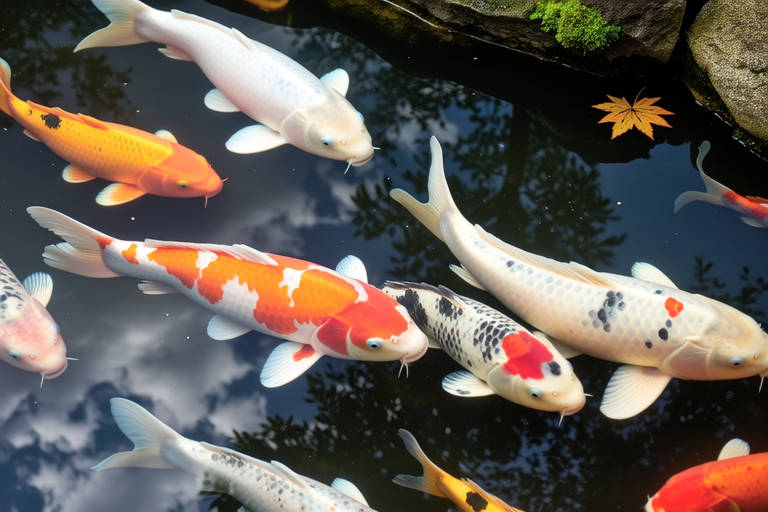
Unleashing the Beauty: A Journey into the World of Koi Fish
Welcome to a fascinating journey into the world of koi fish. These magnificent creatures have captivated people’s hearts for centuries, offering not just visual splendor but also deep cultural and symbolic meanings. From their origins in Japan to their presence in homes across the globe, koi fish have become symbols of beauty, tranquility, and good fortune.
The Origins and Cultural Significance of Koi Fish
Koi fish, scientifically known as Cyprinus carpio, originated in East Asia, specifically in the region around China and Korea. However, it was in Japan where they truly flourished, becoming an integral part of the country’s culture and art. The Japanese have been breeding koi fish for over 200 years, selecting and refining them for their vibrant colors and unique patterns.
In Japanese culture, koi fish symbolize perseverance, strength, and good luck. Their ability to swim upstream against strong currents has made them a metaphor for overcoming life’s challenges. Koi ponds are often found in traditional Japanese gardens, where they serve as tranquil focal points, reflecting the harmony between nature and human life. The fish are also featured in various forms of Japanese art, from paintings and sculptures to textiles and pottery.
Varieties, Colors, and Patterns of Koi Fish
There are numerous breeds of koi fish, each distinguished by its unique coloration and pattern. Some of the most popular breeds include:
- Shibunkai: Known for their striking red and white scales, shibunkai koi are often associated with the Japanese flag. Their bold contrast makes them stand out in any pond.
- Sanke: Sanke koi feature three colors: red, white, and black. They are highly sought after for their elegant and balanced appearance.
- Tancho: This breed is recognized by a single red spot on its head, resembling the emblem of Japan. Tancho koi are considered rare and highly valuable.
- Doitsu: Doitsu koi have a unique scaleless appearance, giving them a sleek and modern look. They come in various colors and patterns, making them versatile additions to any pond.
The colors and patterns of koi fish are not only aesthetically pleasing but also hold symbolic meanings. For example, red koi represent love and passion, while white koi symbolize purity and innocence. Black koi, on the other hand, are associated with power and mystery. The combination of colors and patterns in koi fish creates a mesmerizing visual display that can transform any outdoor space into a serene oasis.
The Symbolism Behind Different Koi Varieties
Each variety of koi fish carries its own set of symbolic meanings, adding depth and intrigue to these aquatic beauties. In addition to the colors mentioned earlier, the overall appearance and behavior of koi fish can also convey messages. For instance, koi fish that swim gracefully and harmoniously together symbolize unity and cooperation. On the other hand, koi fish that challenge each other in a pond can represent competition and ambition.
The symbolic meanings of koi fish extend beyond their physical attributes. In some cultures, koi fish are believed to bring good luck and prosperity to those who keep them. They are often given as gifts during special occasions, such as weddings and birthdays, to wish the recipients happiness and success. Additionally, koi fish are sometimes used in feng shui practices to enhance the flow of positive energy in a home or garden.
Caring for Koi Fish: Tips for Healthy and Vibrant Aquatic Beauties
Owning koi fish comes with the responsibility of ensuring their health and well-being. Proper care and maintenance are essential to keeping koi fish healthy and vibrant. Here are some tips to help you create a thriving environment for your koi fish:
Pond Setup
A well-designed pond is the foundation of a successful koi fish habitat. When setting up a pond, consider the following factors:
- Size: Koi fish require ample space to swim and grow. As a general rule, each adult koi fish needs at least 100 gallons of water.
- Depth: Ponds should be deep enough to provide protection from predators and extreme temperatures. A depth of at least 4 feet is recommended.
- Filtration system: An efficient filtration system is crucial for maintaining clean and oxygen-rich water. Choose a system that suits the size of your pond and the number of koi fish you plan to keep.
- Aeration: Proper aeration ensures that there is sufficient oxygen in the water. Consider installing an aerator or fountain to promote water circulation and prevent stagnation.
Water Quality Maintenance
Regular monitoring and maintenance of water quality are vital for the health of koi fish. Here are some key aspects to focus on:
- Temperature: Koi fish thrive in water temperatures between 68°F and 77°F (20°C and 25°C). Avoid sudden temperature changes, which can stress the fish.
- pH level: Maintain a pH level between 7.0 and 8.5. Regularly test the water and make adjustments if necessary to ensure optimal conditions for your koi fish.
- Nutrient levels: High levels of nutrients, particularly ammonia and nitrite, can be harmful to koi fish. Use water tests to monitor nutrient levels and take action to reduce them if needed.
- Algae control: Excessive algae growth can deplete oxygen levels in the water and hinder visibility. Implement measures such as shading, proper filtration, and the introduction of algae-eating fish to keep algae under control.
Feeding Habits
Proper nutrition is essential for the growth and vitality of koi fish. Feed your koi fish a balanced diet that includes high-quality pellets, flakes, and occasional treats like fresh vegetables or live food. It is important to feed your koi fish in moderation, as overfeeding can lead to poor water quality and health issues. Follow these guidelines for feeding:
- Frequency: Feed your koi fish once or twice a day, depending on their activity level and the water temperature.
- Amount: Feed your koi fish only what they can consume within 5 minutes. Remove any uneaten food to prevent pollution of the water.
- Diet variation: Offer a variety of foods to ensure a balanced diet. Consider alternating between dry and wet foods, and include occasional treats to keep your koi fish interested and healthy.
The Joy and Responsibility of Owning Koi Fish
Owning koi fish is a rewarding experience that combines the joy of caring for beautiful creatures with the responsibility of providing them with a healthy and nurturing environment. By understanding the origins, cultural significance, and symbolic meanings of koi fish, you can fully appreciate their value and importance. With proper care and maintenance, your koi fish will thrive, bringing years of enjoyment and tranquility to your home or garden.
Whether you are a beginner or an experienced koi enthusiast, there is always something new to learn about these fascinating creatures. Embrace the opportunity to deepen your knowledge and appreciation of koi fish, and let them inspire you to create a peaceful and harmonious living space. Remember, owning koi fish is not just about having a pet; it is about fostering a connection with nature and embracing the beauty and serenity that these aquatic beauties bring to our lives.
