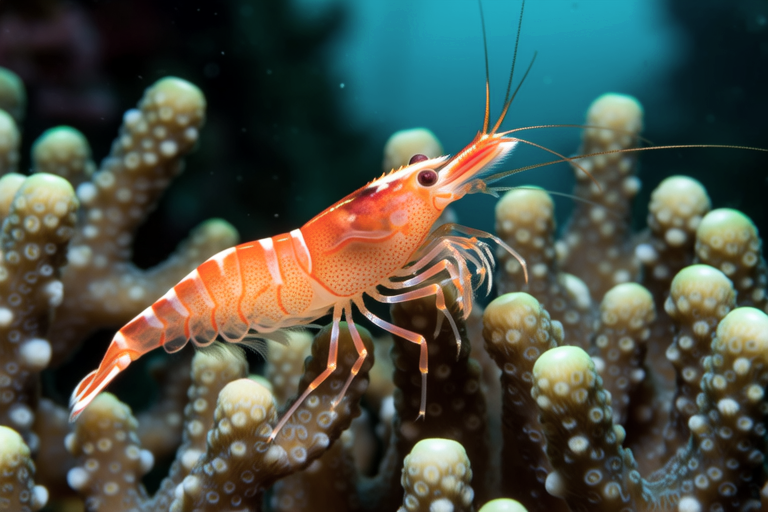
Coral Shrimp Unveiled: Secrets of Their Vibrant Coloration and Behavior
Welcome to the fascinating world of coral shrimp, a group of crustaceans that have captivated marine enthusiasts for decades. These small, colorful creatures are not only visually stunning but also play crucial roles in their ecosystems. This article will delve into the secrets behind their vibrant coloration and intriguing behaviors, providing valuable insights for both beginners and seasoned aquarists.
Natural Habitats and Species Diversity
Coral shrimp belong to the genus Stenopus and are primarily found in tropical and subtropical waters around the globe. They thrive in reef environments where they can find shelter among coral formations, rocky crevices, and sponge clusters. The three main species include the banded coral shrimp (Stenopus hispidus), the ridged coral shrimp (Stenopus tenuirostris), and the short-armed coral shrimp (Stenopus scutellatus). Each species has its own distinct characteristics and preferences, contributing to the rich biodiversity of coral reefs.
The banded coral shrimp is perhaps the most well-known due to its striking appearance and widespread distribution. It boasts a bright red body adorned with white bands, making it easily recognizable. The ridged coral shrimp, on the other hand, features a more subdued color palette with brownish hues and prominent ridges along its carapace. Lastly, the short-armed coral shrimp is named for its shorter pereopods (walking legs) and is often found in deeper waters.
Vibrant Coloration: Factors and Influences
The vibrant coloration of coral shrimp is one of their most remarkable features. This vividness serves multiple purposes, from camouflage to communication. Several factors influence the development and maintenance of their colors, including diet and environmental conditions.
Dietary Influence on Coloration
A balanced diet rich in carotenoids is essential for maintaining the brilliant hues of coral shrimp. Carotenoids are pigments found in various foods, such as algae and plankton, which are part of their natural diet. These pigments are not synthesized by the shrimp themselves but are obtained through consumption. A diet lacking in these essential nutrients can lead to duller or less vibrant colors, potentially affecting the shrimp’s ability to blend in with their surroundings or communicate effectively.
Environmental Conditions
In addition to diet, environmental factors like water quality, light exposure, and temperature play significant roles in determining the coloration of coral shrimp. Optimal water parameters, including pH levels, salinity, and oxygen content, contribute to overall health and color intensity. Exposure to natural sunlight or high-quality LED lighting in aquarium settings can enhance pigmentation, while inadequate lighting may result in faded colors. Maintaining stable temperatures within the range of 72-82°F (22-28°C) is also crucial for vibrant coloration.
Unique Behaviors: Social Interactions, Feeding Habits, and Defensive Mechanisms
Beyond their striking appearance, coral shrimp exhibit a range of fascinating behaviors that highlight their adaptability and survival strategies. From social interactions to feeding habits and defensive mechanisms, these crustaceans demonstrate remarkable complexity in their daily lives.
Social Interactions
Coral shrimp are generally solitary creatures, preferring to live alone or in small groups. However, they engage in complex social interactions, particularly during mating season. Males compete for the attention of females, showcasing their vibrant colors and performing intricate dances to impress potential mates. Once a pair bonds, they may form a monogamous relationship, staying together until one partner dies.
While they tend to avoid direct contact with other coral shrimp, they can coexist peacefully with certain fish species, especially those that provide protection or cleaning services. Some fish, like the cleaner wrasse, have symbiotic relationships with coral shrimp, where the shrimp help remove parasites and dead tissue from the fish’s body. In return, the fish offer protection from larger predators.
Feeding Habits
Coral shrimp are opportunistic feeders, consuming a variety of food sources to meet their nutritional needs. Their diet typically includes small crustaceans, mollusks, and detritus found within their reef habitats. They use their sharp claws to capture prey and their powerful jaws to crush shells. In aquarium settings, coral shrimp can be fed a mix of commercial shrimp pellets, frozen brine shrimp, and fresh vegetables like spinach or zucchini. Providing a diverse diet ensures optimal health and coloration.
Defensive Mechanisms
Despite their small size, coral shrimp possess several effective defensive mechanisms to protect themselves from predators. Their hard exoskeletons provide physical armor, while their vibrant colors serve as a warning signal to potential threats. Additionally, coral shrimp are skilled at hiding in tight spaces, using their flattened bodies to slip into narrow crevices where larger predators cannot reach them. When threatened, they may also release a chemical substance that deters predators or attracts cleaner fish to assist in removing harmful substances from their bodies.
Tips for Aquarium Enthusiasts: Proper Care and Habitat Setup
If you’re considering adding coral shrimp to your aquarium, it’s important to understand the specific requirements needed to ensure their well-being. Here are some essential tips for setting up a suitable habitat and providing proper care:
Habitat Setup
To create an environment that mimics their natural habitat, start by selecting a tank with ample space for swimming and exploration. A minimum of 20 gallons is recommended, although larger tanks allow for more dynamic interactions and better water quality. Incorporate plenty of hiding spots, such as live rock, coral, and artificial structures, to give the shrimp places to retreat when necessary. Ensure there are no sharp edges or openings that could injure the shrimp.
Water parameters should be carefully monitored and maintained. Keep the temperature between 72-82°F (22-28°C), with a pH level of 8.1-8.4 and a salinity of 1.023-1.025. Regular water changes and the use of a protein skimmer can help maintain clean and healthy water conditions. Lighting should be appropriate for the type of corals and plants present in the tank, ensuring that the shrimp receive adequate illumination without causing stress.
Feeding and Nutrition
Feed your coral shrimp a varied diet consisting of high-quality shrimp pellets, frozen brine shrimp, and fresh vegetables. Offer small portions multiple times a day, allowing them to graze throughout the day. Be cautious not to overfeed, as excess food can pollute the water and harm the shrimp. Observe their feeding behavior and adjust the amount accordingly.
Health Monitoring
Regularly monitor the health of your coral shrimp by observing their behavior and physical appearance. Healthy shrimp should be active, eating regularly, and displaying vibrant colors. Any signs of lethargy, loss of appetite, or discoloration may indicate underlying issues. If problems arise, consult with a veterinarian specializing in aquatic animals or seek advice from experienced aquarists.
Compatibility with Other Species
When selecting tankmates for your coral shrimp, choose species that are peaceful and compatible with their size and temperament. Avoid aggressive or predatory fish that might harass or eat the shrimp. Suitable companions include small wrasses, gobies, and clownfish. Ensure there is enough space and hiding spots for all inhabitants to coexist harmoniously.
In conclusion, coral shrimp are captivating creatures that offer a wealth of beauty and intrigue for aquarium enthusiasts. By understanding their natural habitats, dietary needs, and behavioral patterns, we can create environments that promote their health and well-being. With proper care and attention, these vibrant crustaceans can thrive in home aquariums, bringing joy and fascination to their keepers.
