The Journey of Siberian Huskies: From Nome to Family Pets
Siberian Huskies have a rich history that dates back centuries, originating in the icy regions of Siberia. These dogs were initially bred by the Chukchi people as sled dogs, known for their endurance and ability to withstand harsh weather conditions. Their migration to Nome, Alaska, marked a significant chapter in their history, leading them to play a pivotal role in the famous serum run. Today, Siberian Huskies are cherished family pets, appreciated for their striking appearance, friendly demeanor, and energetic nature.
Origins and Early Role in Nome, Alaska
The Siberian Husky’s journey to North America began when Russian fur traders introduced the breed to Alaska in the early 20th century. In 1908, Leonhard Seppala, a Norwegian immigrant, brought a team of Siberian Huskies to Nome. The dogs quickly gained recognition for their speed and efficiency, becoming the preferred choice for mushers in the region.
The most notable event in the history of Siberian Huskies was the serum run to Nome in 1925. A diphtheria outbreak threatened the town, and a relay of mushers and their teams of dogs transported crucial antitoxin across over 674 miles of treacherous terrain. Balto, led by Gunnar Kaasen, completed the final leg of the journey, delivering the serum and saving countless lives. This event cemented the Siberian Husky’s reputation as a heroic and reliable working dog.
Transition to Family Pets
After the serum run, Siberian Huskies continued to serve as sled dogs but also began to be adopted as family pets. Their adaptability, intelligence, and affection made them ideal companions. Today, they are popular among families who appreciate their loyalty and playful nature.
Physical Traits
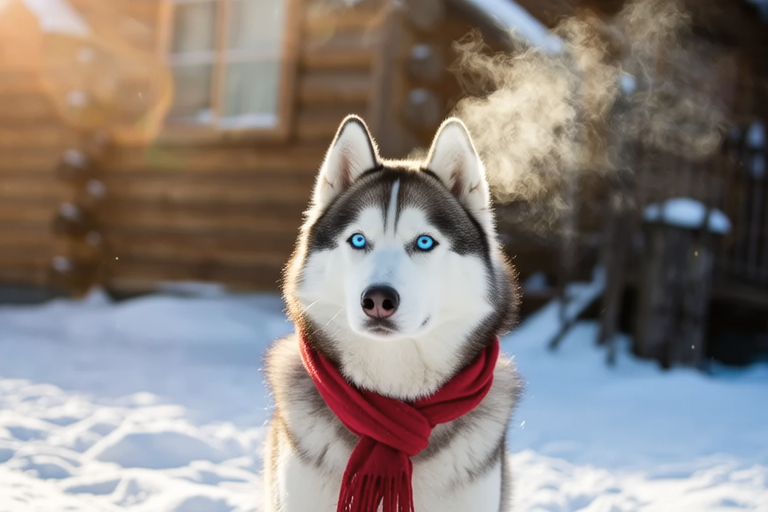
Siberian Huskies are medium-sized dogs with a thick double coat that provides excellent insulation against cold weather. They typically weigh between 35 to 60 pounds and stand at 20 to 23.5 inches tall. Their eyes can be blue, brown, or a combination of both, and they have erect triangular ears and a distinctive wolf-like appearance.
Temperament and Care Needs
Siberian Huskies are known for their friendly and outgoing personalities. They are generally good with children and other pets, though early socialization is essential. Despite their gentle nature, they can be independent and strong-willed, requiring firm yet patient training. Regular exercise is crucial, as these dogs have high energy levels and need outlets for physical activity.
Interview with Current Owner:
“Our Siberian Husky, Bella, is an absolute joy. She loves to run and play, especially in the snow. We take her on long hikes every weekend, and she always seems happy. However, she can be quite stubborn at times, so we had to work on obedience training. It’s important to stay consistent and positive. She’s also very affectionate and always wants to be near us.”
Unique Challenges and Rewards
Owning a Siberian Husky comes with its share of challenges. Their strong prey drive and tendency to roam can be problematic if not managed properly. Fencing and leashes are necessary to ensure their safety. Additionally, their thick coats require regular grooming to prevent matting and shedding.
Despite these challenges, the rewards of owning a Siberian Husky are numerous. Their loyalty, companionship, and unique personality make them beloved members of many households.
Comparison: Working Dogs to Family Pets
While Siberian Huskies were originally bred as working dogs, their role has evolved significantly. Today, they are more commonly found in homes rather than on sleds. This shift has changed their primary function from pulling sleds to providing companionship and entertainment. However, their natural instincts remain intact, and they still enjoy activities that challenge their minds and bodies.
Common Misconceptions:
- Independent and Aloof: While Siberian Huskies can be independent, they are not aloof. They are social animals that thrive on human interaction and attention.
- Not Good with Children: Siberian Huskies are generally good with children, provided they are raised together and properly socialized.
- Easy to Train: Siberian Huskies can be challenging to train due to their independent nature. Patience and consistency are key.
Advice for Potential Owners
If you’re considering adding a Siberian Husky to your family, there are several factors to keep in mind. First, ensure you have the time and resources to meet their exercise and grooming needs. Second, be prepared for their independent streak and strong will. Lastly, remember that Siberian Huskies are pack animals and thrive in environments where they feel connected to their human family.
Adopting a Siberian Husky can be a rewarding experience for those willing to meet their unique needs. With proper care and attention, these magnificent dogs can become cherished members of any household.
