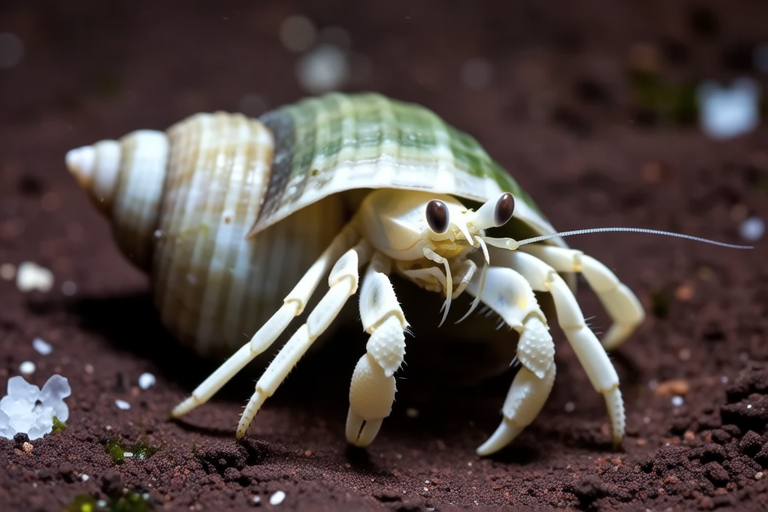
Tiny but Mighty: Discovering the Incredible Pea Crab
The ocean is home to an array of fascinating creatures, each with its own unique story. Among them, the pea crab (Pinnotheres) stands out as a true marvel of nature. Despite its diminutive size, this tiny crustacean plays a significant role in marine ecosystems. This article delves into the world of the pea crab, exploring its unique characteristics, habitat, diet, lifecycle, and ecological importance.
Unique Characteristics
Pea crabs are some of the smallest crabs in the world, typically measuring only about half an inch in length, making them smaller than most coins. Their name is derived from their resemblance to a single pea in size. They belong to the superfamily Pinnotheroidea, which includes several species distributed across the globe. Unlike many larger crab species, pea crabs do not have the characteristic hard shell or carapace; instead, they possess a softer, more flexible exoskeleton that allows them to fit snugly inside the bodies of their hosts.
One of the most striking features of pea crabs is their ability to change color to match their surroundings, a trait known as cryptic coloration. This adaptation helps them avoid detection by predators and enhances their chances of survival. Additionally, pea crabs have a pair of large, powerful claws that they use for defense and capturing prey. These claws, relative to their body size, are disproportionately large, giving them a formidable appearance despite their small stature.
Habitat and Distribution
Pea crabs are found in various marine environments worldwide, from shallow coastal waters to deep-sea habitats. They prefer areas rich in biodiversity and where they can find suitable hosts, such as oysters, mussels, and sea cucumbers. The specific habitat preference of pea crabs varies depending on the species and the availability of potential hosts. For example, the Pacific pea crab (Pinnotheres pectinatus) is commonly found in the Pacific Ocean, particularly in regions with abundant oyster beds.
These crabs are highly adaptable and can thrive in both tropical and temperate waters. Their ability to inhabit diverse environments contributes to their widespread distribution and makes them a common sight in many coastal areas. However, the exact range of pea crabs can vary due to factors like water temperature, salinity levels, and the presence of suitable hosts.
Diet and Feeding Behavior
Pea crabs are parasitic in nature, meaning they live on or within the bodies of other organisms. They primarily feed on the tissues and fluids of their hosts, which provide them with essential nutrients. While this might sound harmful, the relationship between pea crabs and their hosts is often mutualistic, meaning it benefits both parties. For instance, pea crabs can help clean the host’s body by feeding on parasites and detritus.
The feeding behavior of pea crabs is quite interesting. They use their sharp mouthparts to pierce the soft tissues of their hosts and extract nutrients. Despite their small size, they are efficient feeders and can consume a significant amount of food relative to their body mass. Their diet also includes plankton and small invertebrates, which they capture using their large claws.
Lifecycle and Reproduction
The lifecycle of pea crabs is closely tied to their hosts. Females typically carry their eggs under their bodies until they hatch. Once the larvae are released, they must find a suitable host to attach themselves to. The success rate of finding a host is relatively low, leading to high mortality rates among pea crab larvae. Those that manage to find a host will spend the rest of their lives there, growing and reproducing within the confines of their host organism.
Reproduction in pea crabs is a complex process that involves intricate courtship rituals. Males compete for access to females, and successful mating results in the fertilization of the female’s eggs. The timing of reproduction is often synchronized with the reproductive cycles of their hosts, ensuring that the next generation of pea crabs has a higher chance of survival.
Ecological Role
Despite their small size, pea crabs play a crucial role in marine ecosystems. As mentioned earlier, their parasitic relationship with hosts can be mutualistic, benefiting both the pea crabs and their hosts. By cleaning the host’s body, they help maintain the health of the ecosystem. Additionally, pea crabs serve as a food source for larger predators, contributing to the food chain.
Pea crabs also act as bioindicators, helping scientists assess the health of marine environments. Changes in their population density or distribution can indicate shifts in environmental conditions, such as pollution or climate change. Understanding the ecological role of pea crabs is essential for maintaining the balance of marine ecosystems.
Comparisons with Other Crabs
When compared to other crab species, pea crabs stand out due to their size and lifestyle. Most crabs, like the blue crab or the king crab, are much larger and have a more robust build. In contrast, pea crabs are tiny and delicate, with a soft exoskeleton that sets them apart from their larger relatives. While larger crabs are known for their impressive strength and agility, pea crabs rely on stealth and adaptability to survive in their niche environments.
Another notable difference is the reproductive strategy of pea crabs. Many larger crab species release their eggs into the water, where they drift until they hatch. Pea crabs, however, carry their eggs with them, providing constant protection until the larvae are ready to hatch. This maternal care is rare among crab species and highlights the unique aspects of pea crab biology.
Interesting Behaviors and Adaptations
Pea crabs exhibit several fascinating behaviors and adaptations that make them remarkable. One of the most intriguing is their ability to synchronize their movements with their hosts. When a host moves, the pea crab can adjust its position to remain securely attached, demonstrating a level of coordination that is unusual for such a small creature.
Another interesting adaptation is their ability to communicate with their hosts. Pea crabs have been observed to produce sounds that may serve as a form of communication or warning. While the exact purpose of these sounds remains unclear, it suggests that pea crabs have developed sophisticated methods of interacting with their environment.
The Importance of Understanding Small Creatures
Understanding the pea crab and other small marine organisms is vital for marine ecology. These creatures, though small, play significant roles in maintaining the balance of marine ecosystems. By studying pea crabs, scientists can gain insights into broader ecological processes and develop strategies for conserving marine biodiversity.
Moreover, the study of small organisms can lead to discoveries that have practical applications. For instance, the chemical compounds produced by pea crabs could have medicinal properties, and understanding their biology could inspire new treatments for human diseases. Therefore, investing time and resources into researching these tiny but mighty creatures is essential for advancing our knowledge and protecting the oceans.
