Adorable Clownfish Facts That Will Make You Fall in Love With These Fish
Welcome to the enchanting world of clownfish! These small, colorful fish have captured the hearts of many with their charming antics and unique behaviors. From their vibrant hues to their remarkable relationship with sea anemones, there’s so much to love about these delightful creatures. In this article, we’ll dive deep into the fascinating lives of clownfish, uncovering some adorable facts that will make you fall head over fins for these marine marvels.
The Vibrant Palette of Clownfish
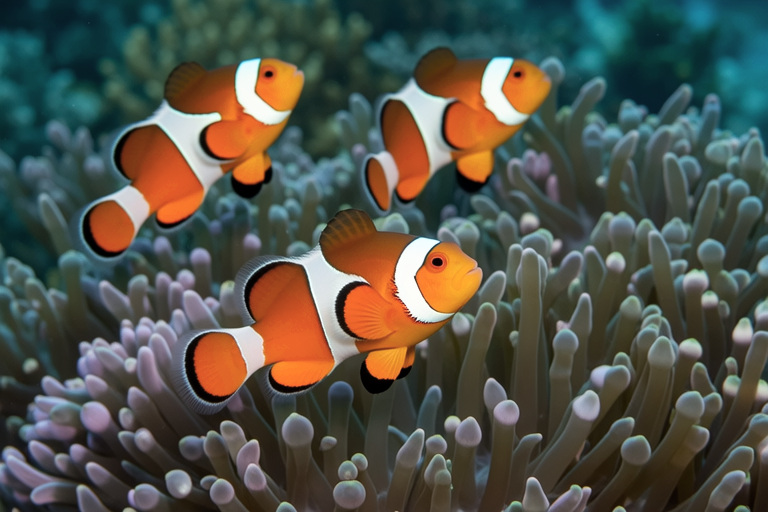
One of the first things that strike us about clownfish is their striking appearance. Clownfish come in a variety of bright colors, including orange, yellow, red, and black. Their most famous coloration is the classic orange with white stripes, which is why they’re often called ‘Nemo’ after the popular Pixar character. But did you know that each species of clownfish has its own unique pattern? Some have spots, others have bars or even different shades of their base color. This diversity in color and pattern helps them blend in with their preferred sea anemone hosts while also serving as a warning to potential predators.
The Symbiotic Relationship with Sea Anemones
Clownfish have a special bond with sea anemones that is both beautiful and practical. They live among the tentacles of sea anemones, which provide them with protection from predators. The stinging cells on the anemone’s tentacles deter other fish but somehow don’t harm the clownfish. Scientists believe this immunity might be due to a protective mucus layer on the clownfish’s skin. In return for this sanctuary, clownfish help keep the anemone clean by removing debris and waste. They also attract prey for the anemone by swimming around it, making the anemone more effective at catching food.
A Social Butterfly: Clownfish Behavior
Clownfish are known for their social nature and playful personalities. They often live in groups within their anemone homes, forming close-knit communities where each fish has a specific role. The largest fish in the group is usually the dominant female, followed by a dominant male. The rest of the group consists of smaller males and juveniles. If the dominant female dies, the dominant male can change sex and become the new leader of the group. This ability to change gender is called sequential hermaphroditism, and it’s one of the unique traits that set clownfish apart from many other fish species.
Life Cycle Stages
Clownfish go through several stages during their life cycle, starting from eggs to fully grown adults. When it’s time to reproduce, the dominant female lays thousands of eggs near the base of the sea anemone. The male then fertilizes these eggs by releasing sperm. After about six to ten days, the eggs hatch, releasing tiny larvae into the water. These larvae drift in the ocean currents for up to two weeks before settling down and choosing a suitable sea anemone to call home. Once they find a host, they undergo metamorphosis, developing the distinctive color patterns and behaviors that make them recognizable as clownfish.
Unique Traits and Adaptations
Clownfish have several adaptations that help them thrive in their environment. For instance, they have a specialized organ called the pseudobranch, which helps them detect changes in water chemistry. This adaptation allows them to sense when a predator is nearby, giving them a chance to hide or flee. Additionally, clownfish can produce a sound similar to a popping noise, which they use to communicate with other members of their group. This sound helps them stay connected and coordinate their movements, especially when they’re hunting or defending their territory.
Conservation Efforts
Despite their popularity, clownfish face threats in the wild. Overfishing, habitat destruction, and climate change pose significant challenges to their survival. To protect these beloved fish, conservation efforts are underway. Marine protected areas are being established to safeguard clownfish habitats, and sustainable fishing practices are being promoted. By supporting these initiatives, we can ensure that future generations will continue to enjoy the wonder of clownfish.
Conclusion
From their vibrant colors to their fascinating relationship with sea anemones, clownfish are truly remarkable creatures. Their playful personalities, unique adaptations, and complex social structures make them stand out in the marine world. Whether you’re a seasoned diver or just a curious observer, there’s always something new and exciting to learn about these adorable fish. So next time you see a clownfish darting between the tentacles of a sea anemone, take a moment to appreciate the beauty and complexity of these incredible creatures. Who knows, you might just fall in love with them too!
