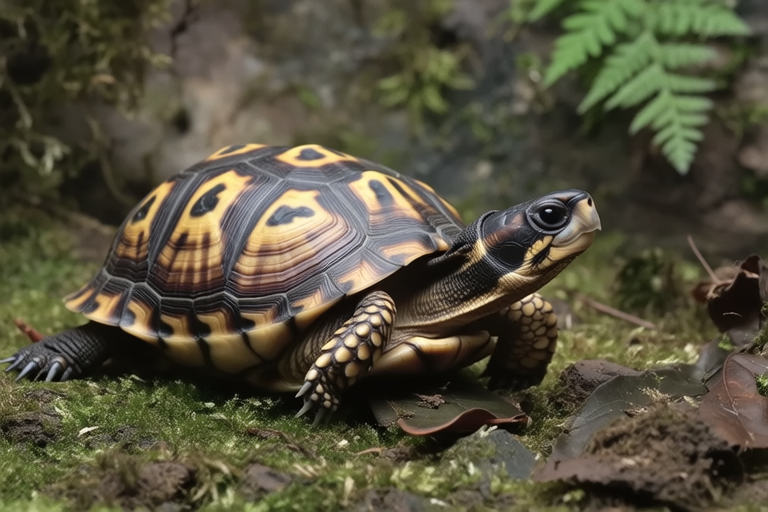
Unleashing the Secrets of the Three-Striped Box Turtle: A Complete Care Guide
The three-striped box turtle (cuora trifasciata) is a fascinating and unique species native to parts of China and Taiwan. Known for its striking appearance, this semi-aquatic turtle is popular among turtle enthusiasts. This comprehensive guide will walk you through the essential aspects of caring for your three-striped box turtle, ensuring it thrives in captivity.
Understanding Their Natural Habitat
Native to southern China and Taiwan, cuora trifasciata inhabits a variety of environments, including grasslands, forests, and wetlands. These areas typically feature dense vegetation, rocky terrain, and access to water bodies. The climate in these regions is warm and humid, with temperatures ranging from 68°F to 90°F (20°C to 32°C). Understanding these conditions is crucial for replicating an ideal environment for your pet.
Dietary Needs
Three-striped box turtles are omnivores, meaning they consume both plant matter and animal protein. In the wild, their diet consists of fruits, vegetables, insects, small fish, and snails. Captive diets should mimic this diversity:
- Fruits and Vegetables: Offer a variety of fresh produce such as leafy greens (kale, spinach), carrots, squash, berries, and apples. Ensure a balanced intake of vitamins and minerals.
- Protein Sources: Provide live or frozen-thawed insects like crickets, mealworms, and earthworms. Occasional pinkie mice can also be offered but should be limited due to high fat content.
- Calcium Supplementation: Regular calcium supplementation is vital for shell health. Dust insects with calcium powder and ensure a constant supply of calcium blocks.
- Vitamin D3: As sunlight is essential for vitamin D3 synthesis, UVB lighting is necessary in captivity. Alternatively, consider dietary supplements under veterinary guidance.
Housing Requirements
Creating an optimal living space for your three-striped box turtle involves careful consideration of enclosure size, substrate, temperature, humidity, and hiding spots.
- Enclosure Size: Provide ample space for movement. A 4′ x 2′ (120cm x 60cm) tank is suitable for one adult. Ensure dimensions allow for swimming and basking areas.
- Substrate: Use a mix of coconut fiber, mulch, or sphagnum moss to maintain humidity levels between 60% and 80%. Avoid sand or gravel which can cause impaction if ingested.
- Temperature and Humidity: Maintain daytime temperatures between 75°F and 85°F (24°C to 29°C) and nighttime drops no lower than 68°F (20°C). Utilize heat lamps and under-tank heaters to achieve this range. Humidity should be monitored with hygrometers and maintained via misting systems or damp substrates.
- Basking Area: Include a basking spot heated by a 75W to 100W basking lamp set at one end of the enclosure. This area should reach 90°F to 95°F (32°C to 35°C).
- Water Area: Provide a shallow pool large enough for soaking. Ensure water quality with regular cleaning and filtration.
- Hiding Spots: Incorporate logs, rocks, or commercial hide boxes to offer security and comfort.
Health Concerns
Regular monitoring and prompt attention to any signs of illness are crucial for maintaining your turtle’s health.
- Mouth Rot: Characterized by swelling, redness, and white patches around the mouth. Caused by poor hygiene or trauma, it requires immediate veterinary treatment.
- Shell Rot: Fungal infections leading to soft spots on the shell. Clean affected areas, improve husbandry practices, and consult a vet.
- Respiratory Infections: Symptoms include nasal discharge, labored breathing, and lethargy. Address underlying causes and seek professional help.
- Metabolic Bone Disease (MBD): Caused by insufficient calcium or vitamin D3, leading to weakened bones. Ensure proper nutrition and UVB exposure.
Interacting With Your Turtle
Handling should be gentle and infrequent to avoid stress. Always support the entire body when picking up your turtle. Encourage exploration and interaction within the enclosure rather than excessive handling. Establish trust gradually through consistent positive interactions.
Reproductive Behavior
Three-striped box turtles reach sexual maturity between 5 and 10 years of age. Males exhibit courtship behaviors such as head bobbing and nipping at females. Nesting typically occurs in spring or summer. Females lay 1 to 6 eggs in a shallow nest dug into the substrate. Incubation lasts approximately 60 to 80 days under controlled conditions.
Tips for Success
Consistent care, observation, and adaptation are key to successful turtle keeping:
- Monitor weight regularly to detect potential issues early.
- Provide enrichment through varied food offerings and environmental changes.
- Keep enclosures clean to prevent disease.
- Establish a routine for feeding, cleaning, and monitoring.
- Consult a reptile veterinarian for regular check-ups and vaccinations.
By following this comprehensive guide, you’ll be well-equipped to provide your three-striped box turtle with the care it deserves. Remember that each turtle is unique, so adapt your approach based on individual needs and preferences. Enjoy the rewarding experience of caring for these captivating creatures.
