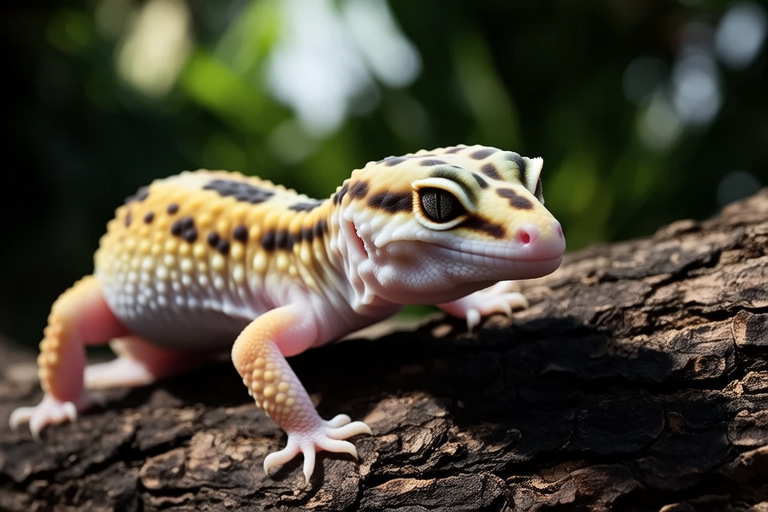
Top 10 Unique Facts About Chameleons That Will Leave You in Awe
Chameleons are among the most fascinating creatures on Earth, known for their ability to change color and their independently rotating eyes. These unique reptiles have intrigued scientists and nature enthusiasts alike for centuries. From their remarkable hunting techniques to their specialized anatomy, chameleons offer a wealth of intriguing facts that highlight their distinctiveness in the animal kingdom. This article delves into ten unique and awe-inspiring facts about chameleons, designed to deepen your appreciation for these captivating creatures.
Fact 1: Color-Changing Capabilities
The most recognizable feature of chameleons is their ability to change color. Contrary to popular belief, they don’t just blend into their surroundings; instead, they use this skill for communication and temperature regulation. Chameleons have specialized cells called chromatophores, which contain pigments. By expanding or contracting these cells, chameleons can display a range of colors, from vibrant greens and blues to fiery reds. This ability serves as a means of expressing emotions, signaling intentions, or attracting mates.
Fact 2: Eyes That Rotate Independently
One of the most striking features of chameleons is their eyes. Unlike most animals, chameleon eyes can rotate and focus independently, allowing them to look in two different directions simultaneously. This unique adaptation enables chameleons to have a nearly 360-degree field of vision, greatly enhancing their ability to spot prey or potential threats. Their binocular vision, achieved when both eyes focus on the same object, is particularly useful for precise aiming during hunting.
Fact 3: Tongue Faster Than the Eye Can See
Chameleons possess one of the fastest tongues in the animal kingdom. Their tongues can extend up to twice their body length in less than a second, catching insects mid-air. The tongue’s speed is so rapid that it surpasses human perception, making it an effective tool for hunting. The tongue is coated with sticky mucus, which helps secure the prey once it makes contact. This remarkable adaptation ensures chameleons can catch elusive insects without having to move from their perch.
Fact 4: Feet Designed for Grip
The feet of chameleons are perfectly adapted for climbing. They have a zygodactyl arrangement, where two toes point forward and three point backward. This unique structure allows chameleons to grip onto branches and other surfaces with ease. Additionally, their feet are equipped with strong muscles and specialized pads that provide extra traction. This gripping ability is crucial for chameleons, as they spend most of their lives in trees.
Fact 5: Tail Acts as a Fifth Limb
A chameleon’s tail is more than just a counterbalance; it acts as a fifth limb. They can wrap their tails around branches to stabilize themselves while moving or resting. This feature is especially useful when navigating through dense foliage. The prehensile tail also plays a role in communication, with chameleons sometimes using it to signal aggression or submission. This versatile appendage underscores the chameleon’s adaptability and survival strategies.
Fact 6: Highly Diverse Species
There are over 200 species of chameleons, each with its own unique characteristics. They are found primarily in Africa, Madagascar, and parts of southern Europe and Asia. Chameleons vary greatly in size, with some species being as small as 3 inches long, while others can grow up to 2 feet. Their diversity in size, color, and habitat reflects the evolutionary adaptations necessary for survival in various environments.
Fact 7: Longevity and Lifespan
Chameleons have relatively long lifespans compared to many reptiles, living between 3 to 10 years, depending on the species. Some factors influencing longevity include diet, environment, and care. Captive chameleons often live longer due to controlled conditions and regular veterinary care. Proper nutrition and hydration are crucial for maintaining their health, highlighting the importance of understanding their specific dietary needs.
Fact 8: Solitary Creatures
Unlike many social animals, chameleons are solitary creatures. They prefer to live alone and only come together during mating season. This behavior is likely due to their territorial nature and the need to conserve energy. In the wild, chameleons mark their territory with scent glands and will defend it aggressively if necessary. Their solitary lifestyle is a testament to their self-sufficiency and independence.
Fact 9: Camouflage Beyond Color
While their color-changing abilities are well-known, chameleons also employ other forms of camouflage. They can alter their skin texture to match the surface they’re on, further enhancing their ability to blend in with their surroundings. This adaptation is particularly useful in avoiding predators. The combination of color changes and texture modifications demonstrates the chameleon’s sophisticated approach to survival.
Fact 10: Sensory Perception
Chameleons have highly developed sensory systems that aid in their survival. Their eyes, already noted for their independent rotation, are also capable of detecting ultraviolet light. This sensitivity to UV light may help them locate food sources or navigate their environment. Additionally, chameleons can detect vibrations through their feet, providing another layer of awareness. These advanced senses contribute to their effectiveness as hunters and their ability to thrive in diverse habitats.
Conclusion: The Wonder of Chameleons
Chameleons are truly remarkable creatures, each fact revealing a new layer of complexity and adaptability. From their astonishing color-changing abilities to their specialized anatomy and sensory perception, these reptiles continue to captivate and inspire. Understanding the unique features of chameleons not only enriches our knowledge of biology but also deepens our appreciation for the intricate web of life on Earth. Whether you’re a seasoned biologist or simply an admirer of nature, there’s always more to learn about these fascinating creatures. Further exploration into the world of chameleons promises to reveal even more wonders, inviting us to marvel at the beauty and ingenuity of the natural world.
