Living with an Abyssinian: Tips from Experienced Owners
Welcome to the world of Abyssinian cats! Known for their striking appearance and lively personalities, Abyssinians are a favorite among cat enthusiasts. This guide will offer you valuable insights and practical tips on living with an Abyssinian, drawing from the experiences of experienced owners. From understanding their unique traits to creating a suitable environment, we’ll cover everything you need to know to enjoy a rewarding relationship with your Abyssinian.
Understanding the Unique Traits of Abyssinian Cats
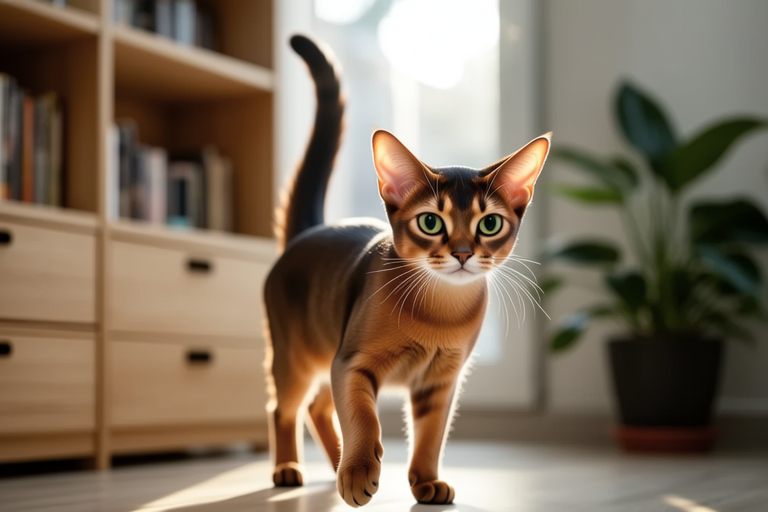
Abyssinians are one of the oldest domesticated cat breeds, known for their distinctive ticked coat pattern and almond-shaped eyes. Their coats come in various colors, such as ruddy, blue, fawn, and cinnamon. Abyssinians are highly intelligent and active, often described as “dog-like” in their loyalty and affection. They thrive on attention and can become quite vocal if they feel neglected.
One owner shares, “My Abyssinian, Luna, follows me everywhere and always wants to be involved in whatever I’m doing. She’s like a shadow!” Their curiosity and energy make them excellent companions, but they also require plenty of mental and physical stimulation to stay happy and healthy.
Grooming and Dietary Needs
Abyssinians have short, fine coats that shed moderately. Regular brushing helps remove loose hair and prevents matting. Many owners recommend brushing their Abyssinians at least once a week to keep their coats shiny and healthy. Bathing should be done only when necessary, as it can strip their natural oils.
Dietary needs for Abyssinians include high-quality, protein-rich food. They should eat a balanced diet of wet and dry food to ensure proper nutrition. Some owners suggest incorporating fresh vegetables or cooked chicken into their meals for variety. It’s essential to consult with your veterinarian to determine the best diet for your Abyssinian based on their age, weight, and activity level.
Suitable Environments
Abyssinians are social creatures and prefer environments where they can interact with their owners. They thrive in homes with ample space for exploration and play. A multi-level home with access to windows or outdoor enclosures can provide them with opportunities for mental and physical stimulation. Providing scratching posts, climbing trees, and interactive toys can help satisfy their natural instincts.
One owner notes, “Our Abyssinian, Max, loves to climb our bookshelves and perch on high places. We’ve installed cat shelves throughout the house to give him more vertical territory.” It’s crucial to provide safe spaces where your Abyssinian can retreat when they need some alone time.
Common Health Issues
Abyssinians are generally healthy cats, but they are prone to certain genetic conditions. Progressive retinal atrophy (PRA) is a leading cause of blindness in Abyssinians. Regular eye exams can help detect early signs of PRA. Other common health issues include dental problems and kidney disease. Regular vet check-ups are essential to monitor your Abyssinian’s overall health.
Owners emphasize the importance of preventative care, saying, “We started bringing our Abyssinian, Bella, for regular dental cleanings when she was young. It’s helped prevent serious issues later on.”
Interactive Playtime Ideas
Abyssinians are playful and love engaging in activities that challenge their minds and bodies. Interactive toys, such as feather wands, laser pointers, and puzzle feeders, can provide hours of entertainment. Many owners find that playing fetch with their Abyssinians is a fun way to bond. Some even train their cats to retrieve toys on command.
One owner shares, “My Abyssinian, Oliver, loves chasing after a toy mouse. We play hide-and-seek with it around the house, and he never gets tired of the game.” Incorporating playtime into your daily routine can strengthen the bond between you and your Abyssinian while keeping them mentally sharp.
Training Techniques
Abyssinians are intelligent and trainable, making them ideal candidates for basic commands and tricks. Positive reinforcement, such as treats and praise, is the most effective method for training. Start by teaching simple commands, like “come,” “sit,” and “stay.” Gradually introduce more complex tricks, such as shaking paws or rolling over.
Owners suggest, “When training our Abyssinian, Charlie, we used small pieces of tuna as rewards. He quickly learned to associate good behavior with treats.” Consistency and patience are key to successful training. Be patient and persistent, and your Abyssinian will learn to respond to your commands.
Advice on Integrating Them into Family Life
Integrating an Abyssinian into your family can be a joyful experience, but it requires careful planning and consideration. Introduce your new Abyssinian to other pets gradually to avoid conflicts. Provide each pet with its own space and resources, such as food bowls, litter boxes, and toys. Spend quality time with your Abyssinian to build trust and establish a strong bond.
One owner advises, “We introduced our Abyssinian, Daisy, to our dog by allowing them to sniff each other through a baby gate. Once they were comfortable, we slowly allowed supervised interactions. It took a few weeks, but they now get along great.” Creating a positive environment for all pets in your household is essential for harmony and happiness.
Enhancing the Bond Between Owner and Cat
The bond between you and your Abyssinian can be strengthened through consistent interaction, affection, and respect for their individuality. Spend time each day playing, grooming, and cuddling with your Abyssinian. Learn to recognize their body language and vocalizations, which can help you understand their needs and emotions.
Owners share, “We adopted our Abyssinian, Milo, when he was a kitten. We made sure to spend lots of time with him, teaching him commands and playing games. Now, he’s a loving and well-behaved companion.”
Addressing Challenges Typical to Abyssinians
Despite their many wonderful qualities, Abyssinians can present some challenges. Their high energy levels and intelligence mean they can become bored or destructive if not adequately stimulated. Providing plenty of toys, puzzles, and interactive activities can help alleviate boredom and reduce unwanted behaviors.
Owners advise, “When our Abyssinian, Ruby, started knocking things off the shelves, we realized she needed more mental stimulation. We added more puzzle toys and interactive games to her routine, and the problem resolved itself.”
Conclusion
Living with an Abyssinian can be a rewarding experience filled with joy, laughter, and companionship. By understanding their unique traits, meeting their grooming and dietary needs, providing a suitable environment, addressing common health issues, engaging in interactive playtime, employing effective training techniques, and integrating them into family life, you can create a loving and fulfilling relationship with your Abyssinian. Remember to be patient, consistent, and attentive to your Abyssinian’s needs, and you’ll both enjoy a lifetime of happiness together.
