Chilean Rose Tarantulas: The Ultimate Low-Maintenance, High-Cuteness Companion
Welcome to the world of Chilean rose tarantulas, one of the most popular and charming choices for exotic pet enthusiasts. These captivating creatures offer a unique blend of beauty, charm, and ease of care, making them an ideal companion for those looking to expand their pet family.
Introduction to Chilean Rose Tarantulas
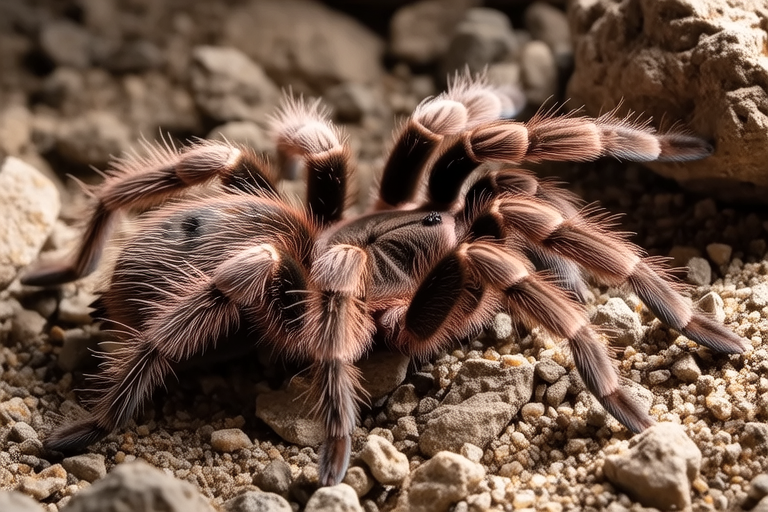
The Chilean rose tarantula (Grammostola rosea) hails from the deserts of South America, particularly in regions like Chile, Argentina, and Peru. Known for their striking appearance, these tarantulas have a soft, velvety coat that ranges from light pink to deep red, depending on age and environment. Their legs are adorned with fine hairs, adding to their overall elegance. Males are typically smaller than females, with a leg span that can reach up to 4 inches, while females can grow to a larger size.
One of the most fascinating aspects of Chilean rose tarantulas is their behavior. They are primarily nocturnal, meaning they are most active during the night. In captivity, you might observe them emerging from their burrows at dusk to hunt for food or explore their enclosure. During the day, they prefer to remain hidden, often burrowing into substrate or finding a cozy corner to rest. This behavior makes them relatively low-maintenance, as they do not require constant attention or interaction.
Why Chilean Rose Tarantulas Are Considered Low-Maintenance Pets
Chilean rose tarantulas are often referred to as ‘low-maintenance’ pets due to their minimalistic care requirements. This section will delve into their dietary needs, housing requirements, and general care tips.
Dietary Needs
Feeding a Chilean rose tarantula is straightforward. Their diet mainly consists of live insects such as crickets, mealworms, and wax moths. Juvenile tarantulas require smaller prey, such as pinhead crickets, while adults can consume larger insects. It’s important to ensure that the prey items are appropriately sized for the tarantula’s mouthparts, which are located at the front of its body. Overfeeding can lead to obesity, so it’s recommended to feed adult tarantulas once every week or two, depending on their appetite and activity level.
Housing Requirements
A properly set-up enclosure is crucial for the health and well-being of your Chilean rose tarantula. A typical setup includes a glass or plastic tank with a secure lid to prevent escapes. The tank should be spacious enough to allow the tarantula to move around comfortably; a general rule is to provide at least five times the leg span of the tarantula in length and width. The substrate should be deep enough for burrowing, typically around four inches, and can consist of coconut fiber, peat moss, or a mix of both. Maintain humidity levels between 60% and 80% by misting the enclosure occasionally and providing a water dish.
Care Tips
In addition to proper feeding and housing, there are several care tips to keep your Chilean rose tarantula healthy. Regular cleaning of the enclosure is essential to remove waste and prevent bacterial growth. Temperature control is also vital, with an optimal range of 75 to 85 degrees Fahrenheit. Avoid sudden temperature changes, as this can stress the tarantula. Providing hiding spots and climbing structures can enrich the environment and stimulate natural behaviors.
The Unique Aspects of Their Temperament That Make Them Appealing Companions
Chilean rose tarantulas are known for their docile nature, which contributes significantly to their appeal as pets. While they are not affectionate in the traditional sense, their calm demeanor and lack of aggression towards humans make them a delightful addition to any household. Unlike some other tarantula species, Chilean roses are less likely to bite when handled correctly, making them safer for beginners.
Despite their gentle nature, it’s important to handle them with care. Their defensive mechanism involves flicking urticating hairs from their abdomen, which can cause irritation if they come into contact with skin or eyes. However, this behavior is usually a last resort when the tarantula feels threatened. By understanding and respecting their boundaries, you can enjoy a harmonious relationship with your Chilean rose tarantula.
Handling and Safety
Handling your Chilean rose tarantula requires patience and caution. Always wash your hands before and after handling to avoid transferring oils or chemicals onto the tarantula. Use a soft brush or your fingers to gently coax the tarantula out of its enclosure. Once outside, support the tarantula’s body and legs carefully, allowing it to walk on your hand or arm. Avoid lifting or squeezing the tarantula, as this can cause stress or injury.
It’s crucial to dispel some common myths about tarantulas. Contrary to popular belief, they are not venomous to humans. While their venom can affect small prey, it is not harmful to people. Another misconception is that all tarantulas are aggressive. In reality, many species, including the Chilean rose, are quite docile and can be enjoyed without fear of attack.
Where to Adopt or Purchase a Chilean Rose Tarantula Responsibly
When considering adopting or purchasing a Chilean rose tarantula, it’s important to choose a reputable source. Ethical breeders prioritize the welfare of their animals and provide detailed information about the tarantula’s background, including its age, origin, and health status. Avoid buying from pet stores that may source their animals from unethical practices, such as wild-caught specimens or poorly maintained breeding facilities.
Rescue organizations and sanctuaries are also excellent options for adopting a Chilean rose tarantula. Many of these organizations provide second chances to animals that have been abandoned or surrendered. By choosing to adopt, you not only give a home to a deserving creature but also contribute to the welfare of others.
In conclusion, Chilean rose tarantulas offer a unique and rewarding experience for pet owners. With their captivating appearance, gentle temperament, and low-maintenance care requirements, they make an ideal companion for those interested in exotic pets. By following the guidelines outlined in this article, you can ensure that your Chilean rose tarantula thrives in its new home, bringing joy and fascination to your life.
