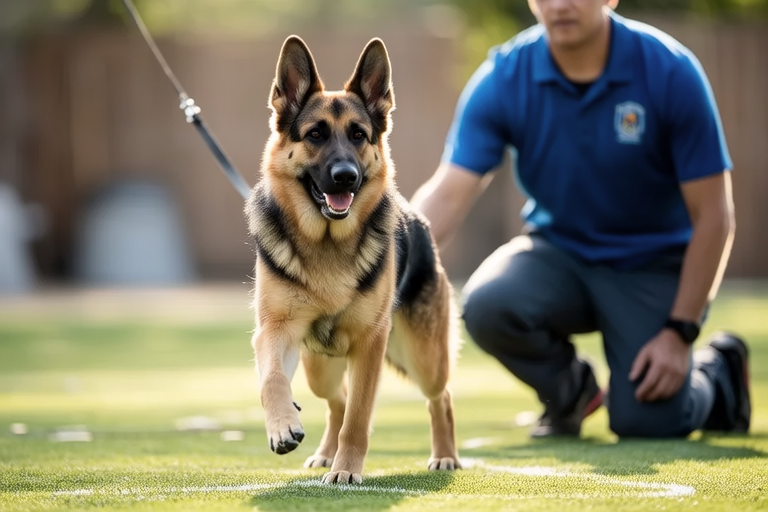
Unraveling the Intelligence of German Shepherds: Training Tips Every Owner Should Know
German Shepherds are among the most intelligent and versatile breeds of dogs, renowned for their loyalty, strength, and adaptability. Their cognitive abilities make them highly trainable, and they have been successfully employed in various roles, including police work, search and rescue, and therapy. Understanding the unique characteristics of this breed can help owners harness their potential, ensuring a harmonious and fulfilling relationship.
The Exceptional Intelligence and Versatility of German Shepherds
German Shepherds are often ranked at the top of the list of the smartest dog breeds. Their intelligence is multifaceted, encompassing problem-solving skills, quick learning, and an innate ability to understand human communication. This breed’s cognitive abilities are what make them so adaptable and trainable. They are not only quick learners but also capable of retaining a vast amount of information, making them ideal candidates for specialized tasks.
One of the reasons for their success in various roles is their strong desire to please their handlers. German Shepherds are eager to engage in activities that involve teamwork and cooperation, which makes them particularly suited for jobs that require close collaboration with humans. Whether it’s assisting law enforcement officers, helping search and rescue teams, or providing comfort to those in need through therapy work, German Shepherds excel in their duties due to their intelligence and dedication.
Cognitive Abilities and Trainability
The cognitive abilities of German Shepherds are rooted in their evolutionary history. Originally bred for herding, they were selected for traits that would allow them to work independently while still following commands from their handlers. Over time, this breed has been refined for various purposes, including military and law enforcement work. Their intelligence allows them to learn complex commands and execute tasks with precision, making them invaluable assets in many fields.
Training a German Shepherd requires patience, consistency, and a solid understanding of their behavior. Positive reinforcement is key to establishing a bond of trust and respect between the owner and the dog. By rewarding good behavior with treats, praise, and affection, owners can encourage their dogs to repeat desired actions. This method not only fosters a positive learning environment but also strengthens the emotional connection between the handler and the dog.
Early Socialization and Consistent Training Methods
Early socialization is crucial for German Shepherds, as it helps them develop into well-rounded, confident dogs. Exposing puppies to various environments, people, and other animals during their critical socialization period (which ends around 14 weeks of age) can prevent behavioral issues later in life. This process should be gentle and positive, allowing the puppy to explore new experiences without feeling overwhelmed.
Consistency in training is equally important. German Shepherds thrive on clear expectations and structured routines. Using the same commands and reward systems consistently helps the dog understand what is expected of them. Additionally, incorporating obedience training into daily activities can reinforce the lessons learned during formal training sessions.
Effective Training Tips for German Shepherd Owners
When training a German Shepherd, it is essential to focus on positive reinforcement techniques. These methods encourage desirable behaviors by rewarding the dog for correct responses. Here are some specific tips:
- Start with Basic Commands: Teach fundamental commands like ‘sit’, ‘stay’, ‘come’, and ‘down’ using treats and verbal praise. Practice these commands in different settings to ensure reliability.
- Use Clicker Training: Clicker training is a popular technique that uses a clicker to mark the exact moment a dog performs a desired action. Pairing the click with a treat reinforces the behavior, making it more likely to be repeated.
- Incorporate Puzzle Toys: Puzzle toys challenge the dog’s problem-solving skills and provide mental stimulation. Choose toys that require the dog to figure out how to access hidden treats.
- Engage in Agility Training: Agility courses offer physical and mental challenges that can be both fun and rewarding for German Shepherds. Participating in agility training can also strengthen the bond between the owner and the dog.
- Practice Loose Leash Walking: Teaching your German Shepherd to walk calmly beside you on a loose leash is essential for maintaining control during walks. Use positive reinforcement to encourage calm behavior and discourage pulling.
Mental Stimulation Exercises to Keep Minds Sharp
Mental stimulation is just as important as physical exercise for German Shepherds. Without adequate mental engagement, these dogs can become bored and develop behavioral issues such as chewing, barking, or destructive behavior. To keep their minds sharp, consider the following activities:
- Interactive Feeding: Use puzzle feeders that require the dog to work for their food. This approach not only provides mental stimulation but also slows down eating, which can be beneficial for dogs prone to gulping their meals.
- Hide-and-Seek Games: Play hide-and-seek with your dog by hiding treats or toys around the house or yard. Encourage the dog to find them, rewarding each discovery with praise and affection.
- Teach New Tricks: Challenge your German Shepherd to learn new tricks, such as rolling over, playing dead, or fetching specific objects. This not only keeps their mind active but also strengthens the bond between you and your pet.
- Environmental Enrichment: Create an enriched environment by introducing new toys, scents, and textures. Rotate items regularly to maintain interest and prevent boredom.
The Rewarding Experience of Owning a German Shepherd
Owning and training a German Shepherd can be a deeply rewarding experience when approached with the right knowledge and dedication. These dogs are loyal companions who form strong bonds with their families. With proper training, socialization, and mental stimulation, German Shepherds can become loving, obedient, and well-behaved pets.
While they may require more effort than some other breeds, the satisfaction of seeing your German Shepherd thrive and excel in various tasks is immeasurable. Whether participating in competitions, assisting in therapeutic settings, or simply being a devoted family member, German Shepherds bring joy and fulfillment to their owners.
In conclusion, German Shepherds are remarkable dogs with exceptional intelligence and versatility. By understanding their unique needs and employing effective training methods, owners can create a harmonious and enriching relationship with their pets. The journey of raising and training a German Shepherd is one filled with challenges and rewards, and with the right approach, it promises to be an unforgettable experience.
