Betta Fish: The Ultimate Guide for Beginners
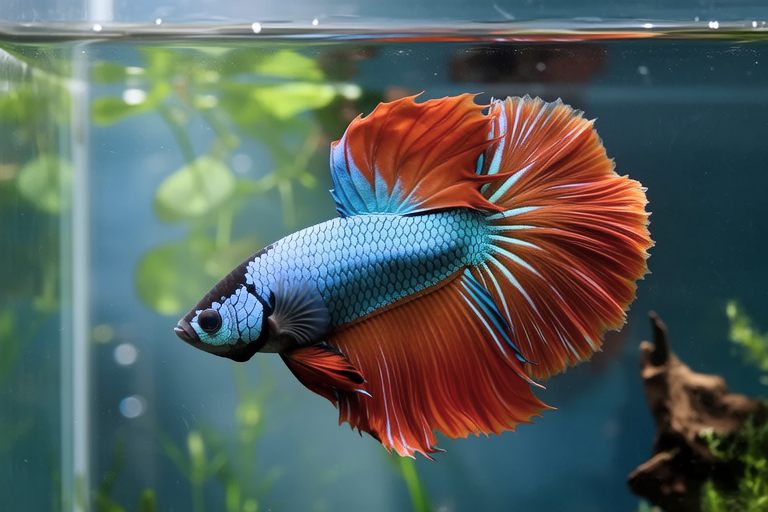
Welcome to the world of Betta fish! These vibrant and graceful creatures have captured the hearts of many aquarium enthusiasts, making them one of the most popular choices for beginners. Known for their striking colors and flowing fins, Betta fish are relatively easy to care for, but they do require specific conditions to thrive. This guide will walk you through everything you need to know to set up your Betta’s home, feed them properly, and keep them healthy.
Introduction: Popularity and Basic Care Needs
Betta fish, also known as Siamese fighting fish, have been a favorite among aquarists for decades. Their unique appearance, combined with their relatively low maintenance requirements, makes them an ideal choice for first-time fish owners. However, it’s important to understand that while Betta fish can survive in smaller containers, they truly thrive in environments that meet their specific needs.
Basic care for Betta fish includes providing clean water, appropriate temperature, and a well-balanced diet. They are generally peaceful and can be kept alone or with compatible tank mates. A common misconception is that Betta fish can live in small bowls without filtration; however, this is far from ideal. A properly sized tank with a filter and heater is essential for their well-being.
Tank Setup
The first step in creating a comfortable environment for your Betta fish is setting up their tank. While Betta fish can be housed in smaller tanks, a minimum size of 5 gallons is recommended for optimal health. Larger tanks provide more space for swimming and better water quality management.
When choosing a tank, consider the shape and surface area. Long, wide tanks offer more swimming room than tall, narrow ones. Decorations such as plants, rocks, and caves can enrich the tank’s environment, providing hiding spots and enhancing aesthetics. Live plants not only look beautiful but also help oxygenate the water and absorb harmful substances.
A reliable filter is crucial for maintaining water quality. Choose a filter that matches the tank size and provides gentle water movement. Betta fish prefer calm waters, so avoid filters that create strong currents. Additionally, a heater is necessary to maintain a stable water temperature between 76°F and 82°F (24°C to 28°C).
Water Conditions
Water quality is paramount for the health of your Betta fish. Regular water changes are essential to remove waste and toxins. Aim to change 20-30% of the water weekly, using a siphon to clean the substrate and decorations.
Water parameters should be monitored regularly. Ammonia and nitrite levels should be zero, while nitrate levels should remain below 20 ppm. pH levels should ideally be around 7.0, slightly acidic. Testing kits are available at pet stores and can help you monitor these factors effectively.
Tap water often contains chlorine and chloramines, which are harmful to fish. Use a dechlorinator to neutralize these chemicals before adding the water to the tank. It’s also beneficial to condition the water by letting it sit for 24 hours, allowing any remaining chemicals to dissipate.
Suitable Tank Mates
Betta fish can be territorial, especially towards other males of their species. Therefore, it’s best to keep a single Betta fish per tank unless you’re experienced with managing community tanks. If you wish to introduce tank mates, choose species that are peaceful and similar in size. Good companions include Corydoras catfish, ghost shrimp, and certain types of snails.
Avoid aggressive or fin-nipping fish, as these can harm your Betta. Also, refrain from keeping Betta fish with fish that have long, flowing fins, as they may become targets of aggression. Always research potential tank mates thoroughly to ensure compatibility.
Diet
Betta fish are carnivorous and require a diet rich in protein. High-quality Betta pellets are an excellent staple food, providing balanced nutrition. Supplement their diet with live or frozen foods like brine shrimp, bloodworms, and daphnia. Variety in their diet helps ensure they receive all necessary nutrients.
Feed your Betta fish once or twice daily, offering only what they can consume within a few minutes. Overfeeding can lead to poor water quality and health issues. Monitor their eating habits and adjust the amount accordingly.
Common Health Issues
Like any living creature, Betta fish can face health challenges. Common issues include fin rot, ich (white spot disease), and swim bladder disorders. Fin rot is characterized by frayed or discolored fins and is often caused by poor water quality. Ich appears as tiny white spots on the fish’s body and can be treated with medication.
Swim bladder problems, which affect buoyancy, can be caused by overfeeding or constipation. A diet of peas can sometimes alleviate constipation. Regular water changes and maintaining proper water conditions are key to preventing these issues.
Maintaining a Healthy Environment
To ensure your Betta fish remains healthy, pay attention to their behavior and physical appearance. A healthy Betta fish is active, eats well, and has bright colors. Any signs of lethargy, loss of appetite, or unusual markings should prompt immediate action.
In addition to regular water changes and monitoring water parameters, consider using beneficial bacteria supplements to promote a healthy ecosystem. These bacteria help break down waste and improve overall water quality. Avoid introducing any chemicals or medications unless absolutely necessary, as they can disrupt the tank’s balance.
Choosing the Right Equipment
Selecting the right equipment is crucial for maintaining a thriving Betta fish environment. Invest in a high-quality filter and heater from reputable brands. Look for products specifically designed for freshwater aquariums. Research reviews and consult with experts to make informed decisions.
Lighting can enhance the beauty of your tank and promote plant growth. Choose a lighting fixture that provides adequate brightness without overheating the water. LED lights are energy-efficient and come in various color options, allowing you to customize the ambiance of your tank.
Encouragement for Responsible Ownership
Owning a Betta fish is a rewarding experience, but it comes with responsibilities. By understanding their needs and providing a suitable environment, you can ensure your Betta fish leads a happy and healthy life. Take the time to learn about their behavior and preferences, and always prioritize their well-being.
Remember, the bond between you and your Betta fish can deepen as you grow together. Enjoy the journey of discovery and care, and take pride in being a responsible owner.
Further Resources
For continued learning and support, explore books, magazines, and online forums dedicated to aquarium keeping. Local aquarium clubs and pet stores can also provide valuable insights and advice. Engaging with fellow hobbyists can inspire and motivate you to refine your skills and expand your knowledge.
