Everything You Need to Know Before Welcoming a Golden British Shorthair into Your Home
Welcome to the world of golden British Shorthairs! These majestic cats are known for their striking golden coats and gentle, affectionate nature. If you’re considering bringing one of these beautiful creatures into your home, it’s important to understand their unique charm, physical characteristics, temperament, and the responsibilities that come with owning one.
The Unique Charm of Golden British Shorthairs
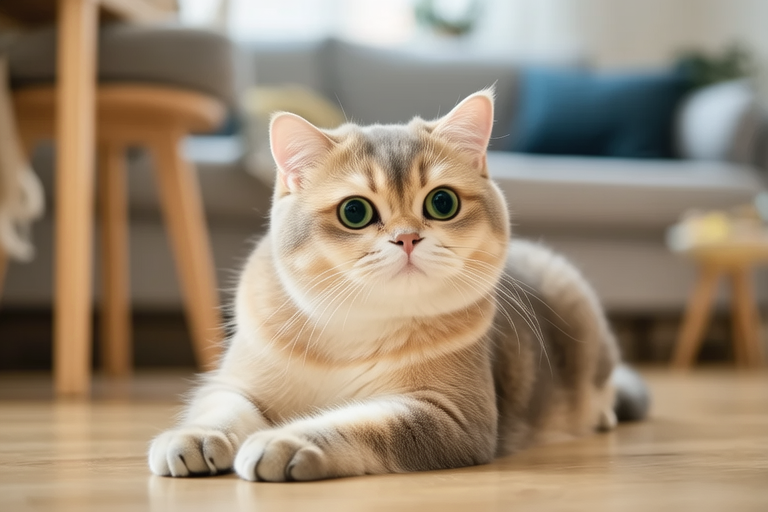
The golden British Shorthair is a variant of the classic British Shorthair breed, distinguished by its warm, golden coat that ranges from light cream to deep gold. This color variation not only adds a touch of elegance but also highlights their gentle and dignified demeanor. Their round faces, expressive eyes, and plush, dense fur make them stand out among other cat breeds. With their calm and steady presence, they are perfect companions for those seeking a quiet yet loving pet.
Physical Characteristics
Golden British Shorthairs have a robust, muscular build, which gives them a sturdy appearance. They possess short, dense coats that require minimal grooming but are incredibly soft to the touch. Their eyes are large and round, often complementing their coat with a golden hue, giving them an almost regal look. The breed’s thick, plush fur is one of its most distinctive features, making them appear larger than they actually are. Despite their size, they are surprisingly agile and graceful.
Temperament
One of the most appealing aspects of the golden British Shorthair is their temperament. These cats are known for their calm, laid-back personalities. They are typically easygoing and patient, making them excellent companions for families with children or other pets. While they are not overly demanding, they do enjoy human interaction and can form strong bonds with their owners. Their playful yet relaxed nature makes them ideal for households where a quiet, affectionate pet is desired.
Common Health Issues
Like all breeds, golden British Shorthairs are prone to certain health conditions. It’s important to be aware of these issues to ensure your cat leads a healthy life. Common health concerns include obesity, dental problems, and heart disease. Regular veterinary check-ups, a balanced diet, and proper dental care can help prevent these issues. Additionally, they may be susceptible to polycystic kidney disease (PKD), a genetic disorder that affects many breeds of cats. Responsible breeding practices can minimize the risk of hereditary diseases.
Choosing the Right Breeder or Adopting from a Shelter
If you decide to purchase a golden British Shorthair, it’s crucial to choose a reputable breeder. Look for breeders who prioritize the health and well-being of their cats, providing proper care and socialization. A good breeder will be transparent about the lineage of the kittens and provide documentation of health checks. Alternatively, consider adopting from a shelter or rescue organization. Many shelters have golden British Shorthairs available for adoption, offering these wonderful cats a second chance at a loving home.
Essential Care Tips
Grooming
While their dense coats may seem high-maintenance, golden British Shorthairs actually require minimal grooming. Weekly brushing with a soft-bristled brush helps remove loose hair and prevents matting. During shedding seasons, more frequent brushing may be necessary. Bathing is generally not required unless absolutely necessary, as it can strip the natural oils from their skin. Pay attention to their nails, trimming them regularly to avoid overgrowth.
Diet
A balanced diet is essential for maintaining the health of your golden British Shorthair. High-quality commercial cat food, either wet or dry, formulated for adult cats is recommended. Ensure the food contains adequate protein and nutrients. Avoid feeding them human food, especially those containing onions, garlic, or chocolate, which can be toxic to cats. Consult with your veterinarian to determine the best diet for your specific cat based on age, activity level, and any existing health conditions.
Exercise
Despite their calm demeanor, golden British Shorthairs still need regular exercise to maintain their physical and mental health. Interactive toys, such as feather wands or laser pointers, can stimulate their hunting instincts and provide entertainment. Setting up climbing structures or scratching posts encourages physical activity and helps keep their claws trimmed. Daily play sessions are beneficial for both physical fitness and strengthening the bond between you and your cat.
Training Specifics
Training your golden British Shorthair can be a rewarding experience. Positive reinforcement techniques, such as treats and praise, work well for teaching basic commands and encouraging good behavior. While they may not be as trainable as some dog breeds, they can learn simple tricks like fetching or sitting on command. Consistency and patience are key when training your cat.
Compatibility with Children and Other Pets
Golden British Shorthairs are generally very tolerant and gentle, making them excellent companions for children. However, it’s important to teach children how to handle and interact with the cat appropriately. Supervise interactions until both the child and the cat are comfortable with each other. When introducing a golden British Shorthair to other pets, gradual introductions under controlled circumstances are recommended. Monitor their interactions closely to ensure a smooth transition.
Long-Term Commitment and Joy
Welcoming a golden British Shorthair into your home is a significant commitment. These cats have an average lifespan of 12 to 15 years, during which they will become an integral part of your family. Their loyalty, affection, and companionship can bring immense joy and comfort. Providing a loving, safe environment and meeting their physical and emotional needs ensures a fulfilling relationship for both you and your cat.
In conclusion, the golden British Shorthair is a magnificent breed that combines beauty, charm, and companionship. By understanding their unique characteristics, health considerations, and care requirements, you can provide a happy, healthy life for your new feline friend. Embrace the long-term commitment and cherish the joy and love they will bring into your home.
