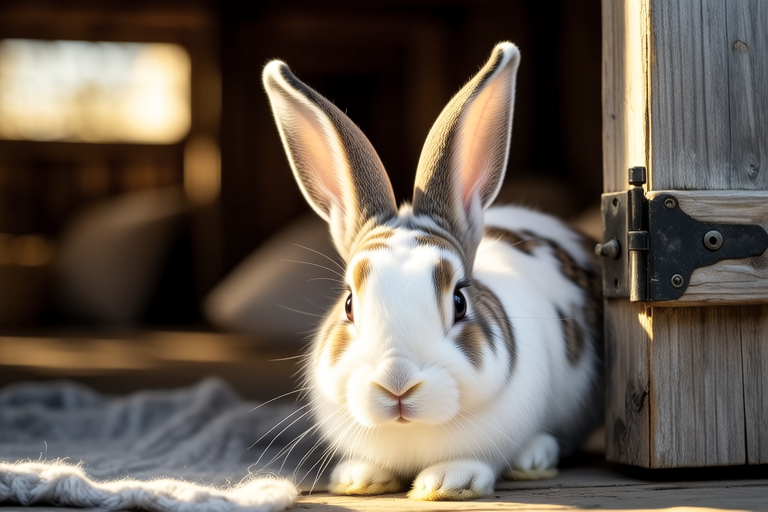
Lop Rabbits: From Barnyards to Bedrooms
Once primarily found in barnyards, Lop rabbits have made a remarkable transition into becoming popular pets in households around the world. Known for their distinctive floppy ears and gentle demeanor, these rabbits have captured the hearts of many pet enthusiasts. This article delves into the history, physical characteristics, temperament, care requirements, and reasons for their growing popularity as companion animals.
The History of Lop Rabbits
The origins of Lop rabbits can be traced back to Europe, where they were initially bred for their meat and fur. Their floppy ears, a result of selective breeding, made them stand out among other breeds. Over time, their appealing appearance and docile nature led to their adoption as pets. The first recognized breed of Lop rabbit was the English Lop, which appeared in England during the 19th century. Since then, several variations of Lop rabbits have been developed, including the French Lop, Holland Lop, and Dwarf Lop.
Physical Characteristics
Lop rabbits are renowned for their large, floppy ears that typically extend beyond their shoulders. These ears are not just aesthetically pleasing but also serve as excellent cooling mechanisms. The breed comes in various sizes, with the English Lop being the largest and the Holland Lop being one of the smallest. They have dense, soft fur that can come in a wide range of colors and patterns, making each rabbit unique. Their compact bodies, combined with their long ears, give them a distinctively endearing appearance.
Temperament
Lop rabbits are known for their calm and friendly disposition, making them ideal companions for families and individuals alike. They are generally gentle and patient, which makes them great with children. Their playful nature and curiosity often lead them to explore their surroundings, but they are equally content lounging around or cuddling with their owners. Despite their small size, Lop rabbits can be quite independent, yet they still enjoy regular interaction and attention from their human caregivers.
Care Requirements
Proper care is essential for ensuring the health and happiness of Lop rabbits. A spacious, clean living environment is crucial, as they need room to move and play. A cage or hutch that provides ample space for exercise and stretching is recommended. Additionally, a safe outdoor enclosure can offer them fresh air and sunlight, which are beneficial for their overall well-being. Regular grooming is necessary to keep their fur healthy and free from mats. Their diet should consist of high-quality hay, fresh vegetables, and a limited amount of pellets. Fresh water should always be available, and it’s important to provide them with toys and activities to prevent boredom.
Growing Popularity as Household Pets
The rise in popularity of Lop rabbits as household pets can be attributed to several factors. Firstly, their charming appearance and friendly nature make them appealing to pet lovers. Secondly, their relatively low maintenance compared to some other pets, such as dogs or cats, has contributed to their growing appeal. Moreover, advancements in veterinary care have improved the lifespan and health of Lop rabbits, making them more attractive as long-term companions.
The Role of the Internet
The internet has played a significant role in increasing awareness and interest in Lop rabbits as companions. Social media platforms, forums, and online communities dedicated to rabbit enthusiasts have provided a platform for sharing information, experiences, and advice. Videos showcasing the adorable antics of Lop rabbits have gone viral, capturing the attention of millions and inspiring people to consider them as pets. Online resources such as blogs, websites, and YouTube channels offer valuable information on caring for Lop rabbits, helping potential owners make informed decisions.
Valuable Insights for Owners
For potential and current owners of Lop rabbits, understanding their specific needs and behaviors is key to providing them with a happy and healthy life. Here are some valuable insights:
- Spacious Living Environment: Ensure your Lop rabbit has enough space to move around comfortably. Provide plenty of bedding material for comfort and warmth.
- Regular Exercise: Encourage your rabbit to exercise by allowing them supervised time outside of their enclosure. This helps maintain their physical and mental well-being.
- Healthy Diet: Feed your Lop rabbit a balanced diet rich in hay, fresh vegetables, and limited pellets. Avoid feeding them foods that could be harmful, such as chocolate, onions, or avocado.
- Regular Grooming: Brush your rabbit’s fur regularly to prevent matting and ensure good hygiene. Check their ears for any signs of infection and trim their nails when necessary.
- Safe Toys and Activities: Provide your rabbit with toys that promote chewing and digging, which are natural behaviors for them. Rotate toys periodically to keep them engaged and entertained.
Conclusion
Lop rabbits have come a long way from their origins in barnyards to becoming beloved pets in households worldwide. Their distinctive appearance, gentle temperament, and low-maintenance lifestyle make them ideal companions for many. By understanding their specific needs and providing proper care, owners can ensure that their Lop rabbits live long, happy lives. As awareness continues to grow through the internet and other means, more people are discovering the joys of having a Lop rabbit as a pet. Whether you’re a seasoned rabbit owner or considering adopting one, Lop rabbits offer a rewarding and delightful experience.
