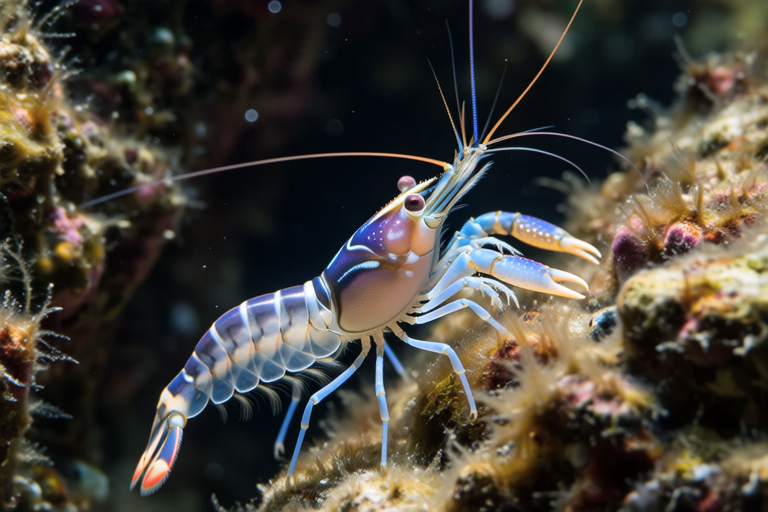
Uncovering the Secrets of Keeping Coral Shrimp Happy and Healthy
Coral shrimp, also known as cleaner shrimp, are fascinating creatures that have become increasingly popular among aquarium enthusiasts. These small, colorful crustaceans play a crucial role in marine ecosystems, where they clean parasites from larger fish. In captivity, they add a unique dynamic to any saltwater aquarium, thanks to their vibrant hues and interesting behaviors. Understanding how to keep these shrimp happy and healthy requires knowledge about their specific needs and care. This article will guide you through setting up the perfect environment, selecting suitable tank mates, and providing a nutritious diet to ensure your coral shrimp thrive.
Understanding Coral Shrimp
Coral shrimp belong to the family Palaemonidae and are typically found in tropical and subtropical waters around the world. They come in various species, each with its own distinct appearance and behavior. One of the most common types kept in home aquariums is the Periclimenes hirsutus, commonly known as the scarlet cleaner shrimp. These shrimp grow to about 2 inches in length and can live up to five years if well cared for. Their translucent bodies often feature bright red spots or stripes, making them visually appealing additions to any tank.
One of the defining characteristics of coral shrimp is their symbiotic relationship with other marine organisms. In the wild, they establish cleaning stations where larger fish visit them to have parasites removed. While this behavior may not be as pronounced in captivity, it’s still beneficial to provide hiding places and surfaces for potential ‘clients.’ Additionally, coral shrimp are nocturnal, meaning they’re more active during the night, so expect them to spend much of the day resting.
Tank Setup Requirements
Creating a suitable habitat for coral shrimp involves paying attention to several key factors: water parameters, temperature, and filtration systems.
Water Parameters
Maintaining stable water conditions is critical for the survival of coral shrimp. The ideal salinity range for most species is between 1.020 and 1.025 specific gravity. pH levels should remain between 8.1 and 8.4, while ammonia and nitrite levels must be undetectable. Regular testing with high-quality test kits is essential to monitor these parameters.
Temperature
Coral shrimp prefer water temperatures ranging from 72°F to 78°F (22°C to 26°C). It’s important to invest in a reliable heater to maintain consistent warmth throughout the tank. Sudden temperature fluctuations can cause significant stress, leading to weakened immune systems and increased susceptibility to diseases.
Filtration Systems
Adequate filtration is vital for removing waste products and ensuring clear, oxygen-rich water. Consider using a combination of mechanical, biological, and chemical filtration methods. Protein skimmers are particularly useful in reef tanks, helping to remove organic compounds before they break down into harmful substances.
Selecting Tank Mates
Choosing compatible tank mates is crucial when keeping coral shrimp. Ideally, select fish that won’t view the shrimp as prey and avoid aggressive or territorial species. Some good options include:
- Peaceful Fish: Damsels, tangs, and wrasses tend to coexist peacefully with coral shrimp.
- Non-Predatory Crustaceans: Small hermit crabs or peppermint shrimp make excellent companions.
- Invertebrates: Certain types of sea stars, urchins, and feather dusters can complement the shrimp without competing for resources.
It’s worth noting that while coral shrimp are generally peaceful, they can become stressed if overcrowded or exposed to constant harassment. Therefore, it’s advisable to limit the number of tank mates and provide ample hiding spots.
Diet and Feeding Habits
Providing a balanced diet is essential for the health and longevity of coral shrimp. In the wild, they primarily feed on detritus, algae, and microorganisms. In captivity, it’s important to replicate this diet as closely as possible. Here are some feeding tips:
Feeding Frequency
Feed your shrimp once daily with a mix of prepared foods such as frozen brine shrimp, mysis shrimp, and finely chopped seafood. Avoid overfeeding, as excess food can pollute the water. A general rule of thumb is to offer only what they can consume within a few minutes.
Variety in Diet
To ensure a broad spectrum of nutrients, incorporate different types of foods into their diet. You might also consider adding algae wafers or spirulina-based foods to promote overall health. Supplements like calcium and iodine can be beneficial, especially if you’re keeping them in a reef tank.
Maintaining Water Quality
Regular maintenance checks are necessary to prevent the buildup of harmful substances and ensure optimal water quality. Here are some tips:
Water Changes
Perform partial water changes every two weeks, replacing approximately 10-20% of the total volume. This helps dilute accumulated toxins and replenish essential minerals.
Filter Media Replacement
Check your filter media regularly and replace it according to the manufacturer’s recommendations. Clogged filters can lead to poor water circulation and reduced oxygen levels.
Monitoring Algae Growth
Control algae growth through proper lighting schedules and occasional manual removal. Excessive algae can deplete oxygen and produce harmful byproducts.
Observing Behavior Changes
One of the best ways to gauge the health of your coral shrimp is by monitoring their behavior. Early signs of distress or illness often manifest as changes in activity patterns. For example, lethargy, loss of appetite, or unusual hiding behavior could indicate underlying issues. If you notice any concerning symptoms, act promptly by adjusting environmental conditions or consulting with a veterinarian specializing in aquatic animals.
By following these guidelines, you’ll create an environment where your coral shrimp can flourish, contributing positively to the overall health and beauty of your aquarium ecosystem.
