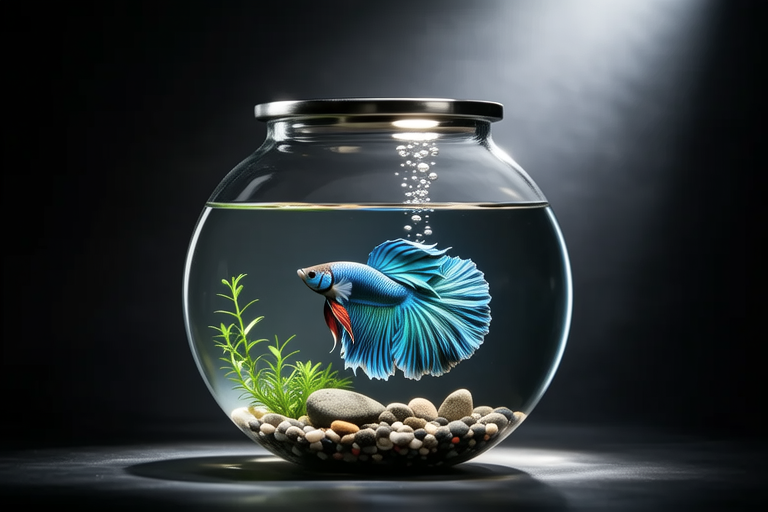
From Fin to Flask: The Ultimate Betta Water Guide
Welcome to the world of betta care! Bettas are beloved for their vibrant colors and flowing fins, but behind these aesthetic features lies a crucial necessity: water. This guide aims to provide you with all the information you need to maintain optimal water conditions for your betta fish. From understanding water parameters to setting up filtration systems and performing regular maintenance, we will cover it all.
The Importance of Water Quality
Bettas are tropical freshwater fish that require specific water conditions to thrive. Poor water quality can lead to stress, disease, and even death. By ensuring your betta’s environment is clean and well-maintained, you’re not only enhancing its comfort but also extending its lifespan. Let’s dive into the essentials of water quality for bettas.
Understanding Water Parameters
To keep your betta healthy, it’s vital to monitor several key water parameters:
Temperature
Bettas are tropical fish, so they need warm water between 76°F and 82°F (24°C to 28°C). A stable temperature is crucial; fluctuations can cause stress and illness. Invest in a reliable aquarium heater to maintain this range.
pH Levels
Bettas prefer slightly acidic water with a pH level around 6.5 to 7.2. Avoid extreme pH levels as they can harm your fish. Regular testing with a pH kit will help you stay within the ideal range.
Ammonia and Nitrite
Both ammonia and nitrite are toxic to bettas. They can accumulate in the tank due to waste products from fish or uneaten food. A properly cycled tank ensures beneficial bacteria break down these toxins into less harmful substances like nitrate. Always test for ammonia and nitrite regularly.
Nitrate
Nitrate is less toxic than ammonia and nitrite but still needs monitoring. Aim for nitrate levels below 20 ppm. If levels rise, perform a partial water change.
Hardness
Water hardness refers to the concentration of minerals in the water. Bettas generally prefer soft to moderately hard water, with a hardness range of 5-12 dGH. Use a water hardness test kit to check and adjust accordingly.
Filtration Systems
A proper filtration system is essential for maintaining water quality. It helps remove debris, control harmful chemicals, and promote healthy bacterial growth. Here’s what to look for in a filtration system:
Types of Filtration
- Mechanical filtration: Removes large particles like uneaten food and waste.
- Biological filtration: Supports beneficial bacteria that convert harmful compounds into less dangerous ones.
- Chemical filtration: Adsorbs dissolved pollutants through activated carbon.
Choosing the Right Filter
Select a filter based on your tank size. For small tanks, hang-on-back filters are often sufficient. Larger tanks may require more robust options like canister filters. Ensure the filter provides adequate flow and is easy to maintain.
Regular Maintenance Routines
Consistent upkeep ensures your betta’s environment remains pristine. Here are some key practices:
Weekly Water Changes
Perform a 25-30% water change weekly. This removes accumulated toxins and replenishes beneficial minerals. Use a gravel vacuum to clean the substrate during changes.
Cleaning Equipment
Regularly clean the filter media, decorations, and other equipment. Rinse them in old tank water rather than tap water to avoid disrupting the beneficial bacteria colony.
Monitoring and Testing
Test water parameters weekly and make adjustments as necessary. Consistent monitoring helps catch issues early before they affect your betta’s health.
Common Mistakes to Avoid
Even experienced betta owners can fall into common pitfalls. Here are some mistakes to watch out for:
Overcrowding
Keep only one betta per container unless you have a large enough tank for multiple fish. Overcrowding leads to increased waste and higher toxin levels.
Improper Cycling
A new tank needs time to establish beneficial bacteria colonies. Rushing this process can expose your betta to harmful chemicals. Follow proper cycling techniques to ensure a safe environment.
Ignoring Signs of Stress
Stress manifests in various ways, including lethargy, loss of appetite, and abnormal swimming patterns. Address any signs promptly by improving water conditions or consulting a veterinarian.
Expert Insights
We reached out to seasoned aquarists for their top tips:
“Always acclimate your betta slowly when introducing it to a new tank. Gradually mix tank water with bag water over 15-20 minutes.”
– Jane Doe, Aquatic Specialist
“Consider using live plants to enhance water quality. They absorb nutrients and provide hiding spots for your betta.”
– John Smith, Aquarium Enthusiast
Conclusion
Maintaining optimal water conditions is paramount for your betta’s health and happiness. By understanding water parameters, selecting appropriate filtration systems, and adhering to regular maintenance routines, you can create a thriving environment. Avoid common mistakes and seek expert advice when needed. With this guide, you’re well-equipped to provide your betta with the best possible care. Enjoy watching your colorful friend flourish in its pristine aquatic home.
