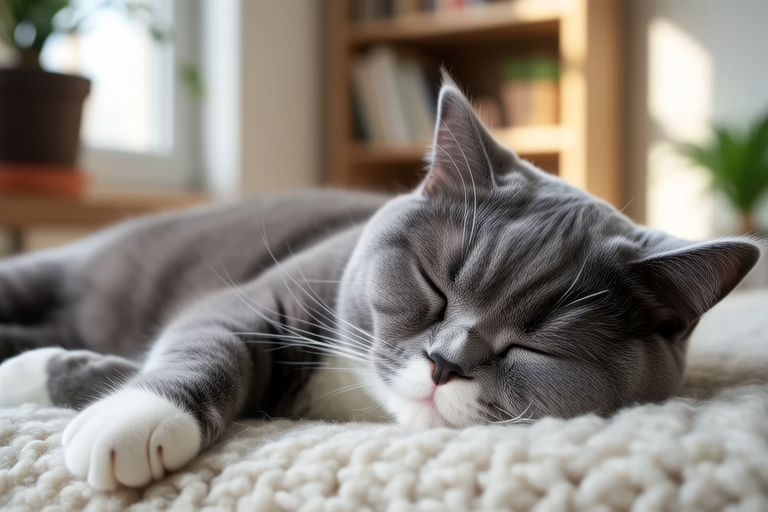
Unique Sleep Patterns of Scottish Fold Cats
Scottish Fold cats are known for their distinctive folded ears and their calm, relaxed demeanor. These endearing felines have unique sleep patterns that set them apart from other cat breeds. Understanding these patterns can help owners provide the best care for their pets. This article delves into the sleeping habits, positions, and daily sleep duration of Scottish Folds, explores the genetic factors behind their relaxed lifestyle, compares their sleep patterns with those of other cat breeds, examines environmental influences on their sleep, and provides tips for ensuring optimal rest.
Sleeping Habits and Positions
Scottish Fold cats are notorious for their love of sleep. They can spend up to 16 hours a day sleeping, which is consistent with most domestic cats. However, their sleeping positions are particularly noteworthy. Unlike many cats who prefer to curl up into a ball, Scottish Folds often sleep sprawled out, with their legs stretched out or splayed. This position allows them to conserve energy more efficiently by minimizing heat loss through their paws.
Their preference for sprawling may also be linked to their genetic predisposition towards relaxation. The folded ear gene, responsible for their distinctive appearance, might contribute to their laid-back nature. Studies have shown that cats with this gene tend to exhibit lower levels of stress and anxiety, leading to more frequent and deeper sleep.
Genetic Factors Contributing to Their Relaxed Lifestyle
The folded ear gene (Fd) is an autosomal dominant trait that causes the cartilage in the cat’s ears to fold forward and down, giving them a unique appearance. While this gene is primarily responsible for the physical characteristic of folded ears, it may also play a role in their temperament and sleep patterns. Cats with two copies of the gene (Fd/Fd) are prone to severe health issues, including osteochondrodysplasia, a condition affecting bone and cartilage development. As a result, breeders usually avoid breeding homozygous individuals.
Cats with one copy of the gene (Fd/N) generally do not suffer from these health problems and often display a more relaxed and docile nature. Research suggests that the presence of the folded ear gene might influence the release of certain neurotransmitters, such as serotonin and dopamine, which regulate mood and sleep cycles. Consequently, Scottish Folds with one copy of the gene tend to experience more peaceful sleep, characterized by fewer awakenings during the night.
Comparison with Other Cat Breeds
When comparing the sleep patterns of Scottish Folds to other cat breeds, several differences become apparent. For instance, Siamese cats are known for being more active and vocal, often requiring less sleep than their Scottish Fold counterparts. On average, Siamese cats sleep around 12-14 hours per day, compared to the 16 hours typical for Scottish Folds.
Bengal cats, another popular breed, are highly energetic and may only sleep for about 13-15 hours a day. In contrast, Ragdoll cats, like Scottish Folds, are renowned for their laid-back personalities and deep sleep. Both breeds share similarities in their sleeping habits, including their preference for sprawling positions and extended periods of rest. However, Ragdolls tend to sleep even more deeply, sometimes entering a state of complete relaxation when held or petted, which is less common among Scottish Folds.
Environmental Factors Influencing Sleep
The environment plays a crucial role in determining how well a Scottish Fold cat sleeps. Cats are crepuscular animals, meaning they are most active during dawn and dusk. Owners should consider providing toys and stimulating activities during these times to encourage physical activity and mental engagement. This will help tire the cat out, making it easier for them to fall asleep at night.
Creating a comfortable sleeping environment is essential for promoting healthy sleep patterns. Scottish Folds prefer soft, warm bedding that mimics the comfort of their natural dens. Owners should choose high-quality, supportive bedding materials, such as fleece or memory foam, to ensure their cats remain cozy throughout the night. Additionally, placing their bed in a quiet area away from household noise and disturbances can help promote uninterrupted sleep.
Temperature also affects a cat’s ability to sleep comfortably. Scottish Folds, like many cats, prefer warmer environments. Maintaining a room temperature between 70-80°F (21-27°C) can help them stay warm and cozy while sleeping. If the room is too cold, cats may become restless and struggle to find a comfortable position, disrupting their sleep.
Tips for Ensuring Optimal Rest
To ensure your Scottish Fold gets the best possible rest, follow these tips:
- Establish a Routine: Cats thrive on routine. Feeding, playtime, and bedtime should occur at the same time each day to help regulate their internal clock.
- Create a Cozy Bed: Choose a soft, supportive bed in a quiet area of the home. Consider adding a heated pad or blanket to keep your cat warm and comfortable.
- Provide Mental Stimulation: Engage your cat in interactive play sessions during the day to help tire them out and promote better sleep at night.
- Avoid Distractions: Keep the bedroom free from loud noises, bright lights, and other distractions that could disturb your cat’s sleep.
- Monitor Health: Regular veterinary check-ups can help identify any underlying health issues that may affect your cat’s sleep.
Scientific Insights and Studies on Cat Sleep Behavior
Several scientific studies have explored the sleep behavior of cats, offering valuable insights into their sleeping patterns. One study published in the Journal of Comparative Psychology found that domestic cats spend approximately 70% of their time sleeping. This research also revealed that cats experience both rapid eye movement (REM) sleep and non-REM sleep, similar to humans.
During REM sleep, cats are more likely to dream, which may explain why they sometimes twitch their paws or whiskers while sleeping. Non-REM sleep, on the other hand, is characterized by deep, restorative sleep. Cats require both types of sleep to maintain optimal health and cognitive function.
Another study published in the Journal of Experimental Biology examined the effects of light exposure on cat sleep patterns. Researchers discovered that exposure to natural sunlight during the day can help regulate a cat’s circadian rhythm, improving sleep quality at night. This finding highlights the importance of allowing cats access to natural light during the day to promote healthy sleep habits.
Conclusion
Scottish Fold cats have unique sleep patterns that reflect their relaxed and docile nature. With their love of sprawling positions and extended periods of rest, these felines require special attention to ensure they get the best possible sleep. By understanding the genetic factors contributing to their calm demeanor and considering environmental influences on their sleep, owners can take steps to promote healthy sleep habits for their Scottish Folds. Providing a comfortable sleeping environment, establishing a routine, and monitoring their health can help ensure these beloved pets enjoy the restful sleep they deserve.
