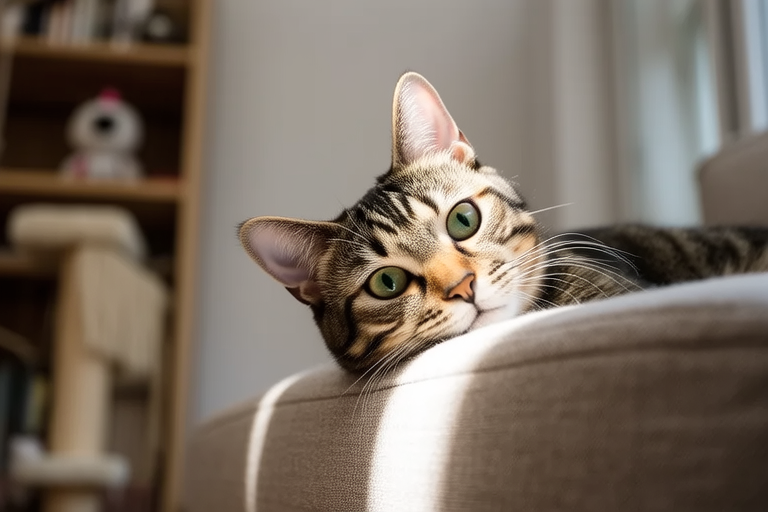
Living with a Devon Rex: Tips for New Owners Embracing Their Quirky Nature
Welcome to the fascinating world of Devon Rex cats! Known for their playful antics and unique appearance, these cats can bring endless joy and laughter to your home. This guide aims to provide new owners with essential tips on how to live with and care for these charming felines. From understanding their distinctive traits to addressing their specific needs, we will cover everything you need to know about living with a Devon Rex.
The Unique Characteristics of Devon Rex Cats
Devon Rex cats are often described as having a pixie-like appearance, thanks to their large ears, big eyes, and short, wavy fur. Their most striking feature is their lack of an undercoat, which gives them a soft, velvety texture. This makes them hypoallergenic, making them a great choice for people with allergies. Despite their delicate appearance, Devon Rexes are known for their robust health and playful personalities.
One of the most endearing aspects of Devon Rex cats is their intelligence. They are quick learners and can be trained to perform tricks, much like dogs. Their curiosity and love for adventure mean they are always exploring their surroundings. They are also very affectionate and enjoy being around people, often following their owners from room to room. However, this can sometimes lead to separation anxiety if left alone for long periods.
Grooming Needs
Devon Rex cats have a unique coat that requires minimal grooming. Their short, curly fur does not mat easily, so they do not require daily brushing. However, regular grooming sessions are still important to keep their coats healthy and shiny. Use a soft-bristled brush or a damp cloth to gently remove any loose hair. Pay special attention to their ears, which can accumulate dirt and wax due to their size and shape. Clean their ears with a cotton ball dipped in a vet-approved ear cleaning solution.
Despite their low-maintenance grooming needs, Devon Rex cats may experience skin sensitivities. To prevent dryness and irritation, consider using a hypoallergenic cat shampoo and conditioner. Regular baths are not necessary but can be given if your cat enjoys water. Always use lukewarm water and gentle products specifically formulated for cats.
Dietary Preferences
Devon Rex cats have specific dietary needs to maintain their health and energy levels. High-quality, protein-rich food is essential for their muscle development and overall well-being. Look for foods that contain real meat, fish, or poultry as the primary ingredients. Avoid foods with fillers, artificial preservatives, and flavors.
Portion control is crucial to prevent obesity, which can lead to various health issues such as diabetes and joint problems. Consult your veterinarian to determine the appropriate portion sizes based on your cat’s age, weight, and activity level. Fresh water should always be available to ensure proper hydration.
Exercise Requirements
Devon Rex cats are highly energetic and require plenty of physical activity to stay healthy and happy. Interactive toys, such as feather wands and laser pointers, are excellent tools for engaging your cat in play. Puzzle feeders can also stimulate their minds while providing mental stimulation. Consider setting up climbing structures and scratching posts to encourage climbing and stretching.
Regular playtime is essential for burning off excess energy and preventing destructive behavior. Aim for at least 15 minutes of active play each day. This not only helps keep your cat physically fit but also strengthens the bond between you and your pet.
Common Health Issues
While Devon Rex cats are generally healthy, they are prone to certain genetic conditions. One of the most common is patellar luxation, where the kneecap dislocates. This condition can cause lameness and discomfort. Another issue is hereditary cardiomyopathy, a heart condition that can affect the heart’s ability to pump blood effectively. Regular check-ups with your veterinarian can help catch these conditions early and manage them appropriately.
Ear infections are also relatively common due to the large size and shape of their ears. Signs of an infection include redness, swelling, and discharge. If you notice any of these symptoms, consult your veterinarian for treatment options. Maintaining good ear hygiene through regular cleaning can help prevent infections.
Creating a Stimulating Environment
Devon Rex cats thrive in environments that offer mental and physical stimulation. Provide a variety of toys and activities to keep them engaged. Rotate toys periodically to prevent boredom and encourage exploration. Cat trees, tunnels, and interactive feeding devices can add excitement to their daily routine.
Consider creating a designated space for your cat where they can feel safe and secure. This could be a cozy bed or a quiet corner with comfortable bedding. Ensure this area is easily accessible and away from high-traffic areas in your home. Providing multiple hiding spots and perches can also help reduce stress and anxiety.
Handling Mischievous Behaviors
Devon Rex cats are notorious for their mischievous tendencies. Their curious nature can lead to destructive behavior, especially if they become bored or frustrated. Redirect their energy by providing appropriate outlets for play and exploration. Encourage positive reinforcement training to discourage undesirable behaviors.
If your cat is scratching furniture or other household items, provide scratching posts and pads. Place these near areas where your cat spends the most time. Reward your cat with treats and praise when they use the scratching post instead of furniture. Consistency is key in establishing good habits.
Strengthening the Bond Between Owner and Pet
Building a strong bond with your Devon Rex cat takes time and effort. Spend quality time together each day through play, cuddling, and grooming. Engage in activities that both of you enjoy, whether it’s playing fetch or watching TV together. Establish a routine that includes regular meals, playtime, and grooming sessions.
Communication is essential in building trust and understanding. Learn to recognize your cat’s body language and vocalizations. Some Devon Rex cats are more vocal than others, using chirps and trills to communicate. Respond to their cues and needs promptly to reinforce positive interactions.
Conclusion
Living with a Devon Rex cat is a rewarding experience filled with joy, laughter, and companionship. By understanding their unique characteristics, meeting their specific needs, and creating a stimulating environment, you can ensure a happy and healthy life for your furry friend. Embrace their quirky nature and enjoy the many adventures that come with owning a Devon Rex cat.
