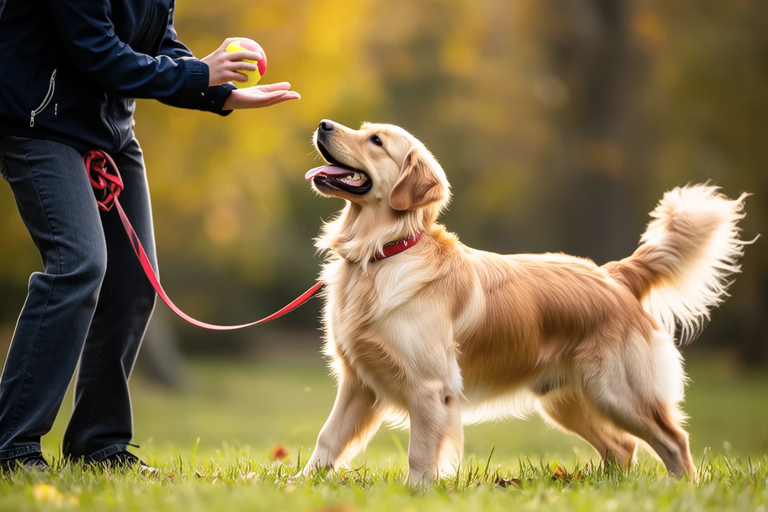
Training Tips for Raising the Perfect Golden Retriever
Welcome to this comprehensive guide on training your golden retriever. This article is designed to provide you with practical, actionable advice for both new and experienced owners. We’ll cover everything from early socialization and basic obedience training to managing common behavioral issues and ensuring your golden retriever gets the exercise and diet they need to thrive.
Early Socialization
The foundation for raising a well-behaved golden retriever starts with early socialization. Introduce your puppy to various environments, people, and other animals during their critical socialization period, which typically ends around 14 weeks of age. Expose them to different sounds, surfaces, and situations to help them become comfortable and confident in diverse settings.
Begin by taking your puppy on short walks in different areas, allowing them to explore and interact with their surroundings. Encourage gentle play with children and other pets to foster positive interactions. Additionally, introduce your puppy to various people, including those of different ages, genders, and ethnicities, to ensure they develop a friendly demeanor towards all humans.
Basic Obedience Training Commands
Mastery of basic obedience commands is essential for a well-trained golden retriever. Here’s a breakdown of some fundamental commands:
- Sit: Hold a treat above your dog’s head and move it back slightly, prompting them to sit. As they do so, say “sit” and give the treat once they’re seated. Repeat this process several times daily until your dog responds reliably to the command.
- Stay: Start by having your dog sit or lie down. Extend one arm in front of them and say “stay.” Take a few steps back, then return and reward them if they remain in place. Gradually increase the distance and duration of the stay as your dog becomes more proficient.
- Come: Teach your dog to come when called by using a consistent verbal cue, such as “come” or “here.” Begin in a quiet, distraction-free environment, and call your dog’s name followed by the command. When they approach, reward them with praise and treats. Practice in increasingly distracting environments to reinforce the behavior.
- Heel: To teach your dog to walk beside you without pulling, hold a treat in your hand and let your dog smell it. Walk forward and encourage them to follow the scent of the treat. Praise and reward them for walking calmly beside you. Over time, phase out the treat and focus on verbal praise and affection.
The Importance of Consistency in Training
Consistency is key to successful training. Use the same commands and cues every time, and ensure that all family members are on the same page regarding rules and expectations. This helps prevent confusion and reinforces desired behaviors. Establish a routine for feeding, walking, and training sessions to create structure and predictability for your dog.
Be patient and persistent, understanding that training takes time and effort. Celebrate small victories along the way, and remember that each dog learns at their own pace. With dedication and consistency, you’ll be able to train your golden retriever to be a well-behaved and obedient companion.
Positive Reinforcement Techniques
Positive reinforcement is an effective and humane method for training your golden retriever. Reward desired behaviors with treats, praise, and affection to encourage repetition. Avoid punishment-based techniques, as they can lead to fear, anxiety, and aggression.
To implement positive reinforcement effectively, choose high-value rewards that your dog loves, such as small pieces of cooked chicken or cheese. Timing is crucial; reward your dog immediately after they perform the desired behavior to strengthen the association. Gradually reduce the frequency of treats as your dog masters the skill, transitioning to verbal praise and petting.
Managing Common Behavioral Issues
Golden retrievers are known for their playful and energetic nature, but this can sometimes lead to behavioral challenges. Here are some tips for addressing common issues:
- Chewing: Provide appropriate chew toys and supervise your dog to prevent them from gnawing on household items. Redirect their attention to a toy when they start chewing on something they shouldn’t. Crate training can also help manage inappropriate chewing by providing a safe space for your dog to rest and relax.
- Barking: Determine the cause of your dog’s barking and address it accordingly. If your dog is barking out of boredom or anxiety, provide more mental and physical stimulation. If they bark excessively at passersby, teach them the “quiet” command by rewarding them when they stop barking on command.
Exercise Routines
Golden retrievers are highly active dogs that require regular exercise to maintain their physical and mental well-being. Incorporate daily walks, runs, and playtime into your routine to keep your dog healthy and happy. Aim for at least 60 minutes of exercise per day, divided between structured activities and free play.
Consider enrolling your golden retriever in agility classes or teaching them to fetch and retrieve objects to engage their minds and bodies. Swimming is another excellent form of exercise for golden retrievers, as it provides a low-impact workout that helps build endurance and muscle strength.
Dietary Considerations
A balanced diet is crucial for maintaining your golden retriever’s overall health and longevity. Consult with your veterinarian to determine the appropriate amount and type of food for your dog based on their age, weight, and activity level. Choose a high-quality dog food that meets their nutritional needs, and avoid overfeeding to prevent obesity.
In addition to commercial dog food, consider incorporating fresh fruits and vegetables into your dog’s diet as occasional treats. Blueberries, carrots, and green beans are safe and nutritious options. Always consult with your veterinarian before introducing new foods to your dog’s diet.
Creating a Stimulating Environment
To prevent boredom and destructive behavior, create a stimulating environment for your golden retriever. Rotate toys regularly to keep things interesting and provide puzzle feeders to challenge your dog mentally. Interactive games, such as hide-and-seek or fetch, can also help keep your dog engaged and entertained.
Provide your dog with a comfortable resting area, such as a cozy bed or crate, where they can retreat when they need a break. Make sure the area is quiet and free from distractions to promote relaxation and proper sleep.
Conclusion
Raising a perfect golden retriever requires patience, dedication, and a deep understanding of their unique traits and needs. By following the tips outlined in this guide, you’ll be well-equipped to train your golden retriever and provide them with the love, care, and attention they deserve. Remember that every dog is different, and it’s essential to tailor your approach to suit your individual pet’s personality and requirements.
