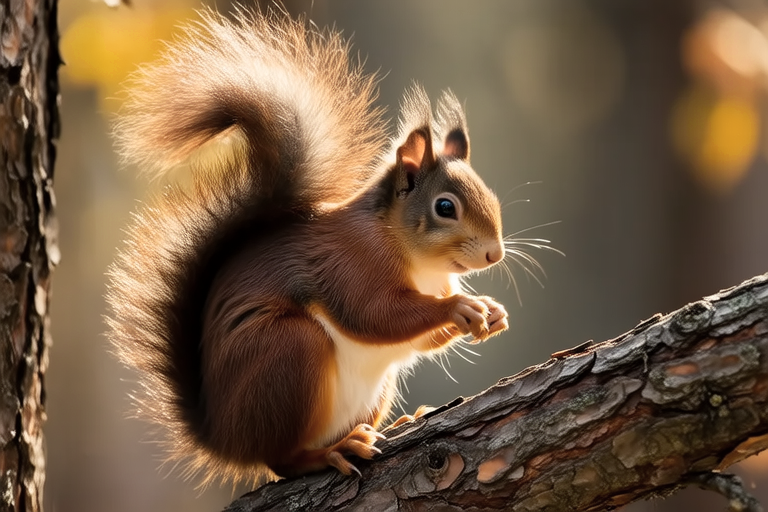
The Intriguing Life Cycle and Behaviors of Squirrels
From playful backyard buddies to agile athletes, squirrels have captured our hearts and imaginations with their acrobatic antics and resourceful ways. These small mammals are not only entertaining to watch but also play crucial roles in their local ecosystems. Let’s dive into the fascinating world of squirrels, exploring their physical adaptations, diet, habitat preferences, and survival strategies.
Physical Adaptations
Squirrels have evolved remarkable physical traits that enable them to thrive in various environments. Their bushy tails serve multiple purposes, including balance, communication, and warmth. The tail acts as a rudder while they leap between branches and provides insulation during cold weather. Additionally, their sharp claws and strong limbs allow them to climb trees effortlessly, while their keen sense of smell helps them locate buried nuts and seeds.
Diet and Foraging Behavior
As omnivores, squirrels enjoy a diverse diet that includes nuts, seeds, fruits, fungi, and occasionally insects or small animals. They are particularly fond of acorns, which they collect and store for winter months when food sources become scarce. This caching behavior is essential for their survival, and it plays a significant role in forest regeneration by dispersing seeds across large areas.
Habitat Preferences
Squirrels inhabit a wide range of environments, from dense forests to urban parks. While many species prefer woodland habitats, others have adapted to city life, where they find abundant food sources and shelter among buildings and gardens. Some squirrels build nests called dreys in trees, while others dig burrows underground. These nests provide protection from predators and harsh weather conditions.
Survival Strategies
In addition to caching food, squirrels employ several other tactics to ensure their survival. They are known for their quick reflexes and ability to evade predators. When threatened, they may emit warning calls or perform distraction displays to draw attention away from themselves. Furthermore, some species engage in mimicry, copying the sounds of birds to confuse potential threats.
Communication Methods
While squirrels don’t possess vocal cords like humans, they communicate through a variety of vocalizations, body language, and scent marking. Alarm calls alert other squirrels to the presence of danger, while chattering noises express excitement or aggression. Tail flicks and postures convey messages about territory boundaries or mating readiness. Scent marking involves rubbing glands against objects to leave chemical signals that can be detected by other squirrels.
Nesting Habits
Dreys are typically constructed from twigs, leaves, and moss, providing insulation and protection against predators. Female squirrels give birth to litters of two to eight pups after a gestation period of approximately six weeks. Young squirrels remain in the nest for several weeks before venturing out into the world under their mother’s guidance.
Role in Local Ecosystems
Squirrels contribute significantly to their ecosystems by dispersing seeds, aerating soil through digging, and serving as prey for larger animals. Their presence helps maintain biodiversity and promotes healthy plant growth. However, overpopulation can lead to imbalances in certain areas, affecting other wildlife populations.
Comparison of Different Species
There are numerous squirrel species worldwide, each with its own set of characteristics. Ground squirrels, for instance, spend more time on the ground than in trees and often live in colonies. Flying squirrels, despite their name, cannot truly fly but glide between branches using a membrane connecting their front and back legs. Red squirrels are native to Europe and parts of Asia, whereas gray squirrels are common in North America. Each species has adapted to specific environmental challenges and exhibits distinct behaviors.
Coexisting Harmoniously with Squirrels
To foster positive interactions between humans and squirrels, it’s important to respect their natural habitats and avoid feeding them human food. Providing bird feeders or squirrel-specific feeders can help satisfy their dietary needs without encouraging dependency. Additionally, creating safe spaces within urban environments, such as designated parks or green roofs, allows squirrels to thrive alongside people.
Understanding and appreciating the intricate lives of squirrels enriches our connection to nature and encourages responsible stewardship of shared spaces. By learning about their unique attributes and behaviors, we can better support these fascinating creatures in their daily adventures.
