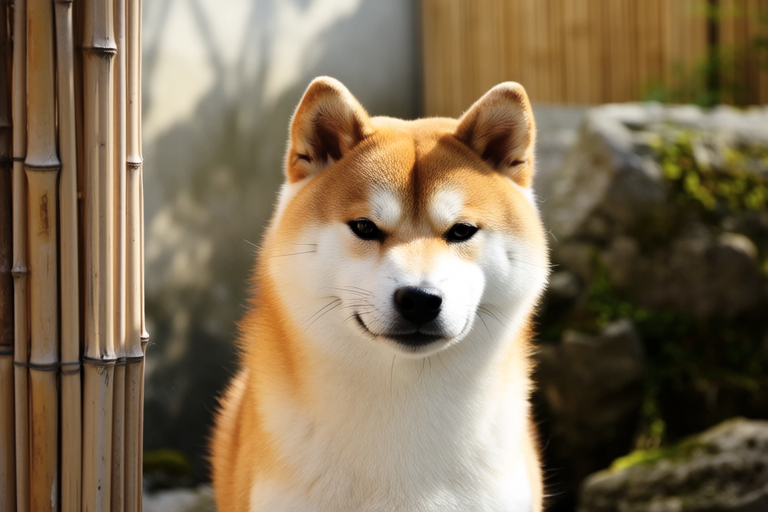
From Wild to Domestic: Unraveling the History of the Shiba Inu
The Shiba Inu, often referred to as the “little brushwood dog,” is one of the oldest and smallest of the six original Japanese dog breeds. This article delves into the fascinating journey of the Shiba Inu from its ancient origins in Japan to its current status as a beloved pet worldwide. We will explore its role in hunting, the challenges it faced during the early 20th century, and the traits that have been meticulously preserved over centuries of selective breeding.
Origins in Ancient Japan
The history of the Shiba Inu traces back thousands of years to ancient Japan, where it was bred for hunting purposes. The name “Shiba” translates to “brushwood,” referring to the dense bushes and shrubs that were prevalent in the regions where these dogs were originally found. Their agility and keen sense of smell made them excellent companions for hunters who relied on their skills to track and flush out small game such as birds and wild boar.
The Shiba Inu’s origins are rooted in the mountainous regions of Japan, particularly in the areas surrounding the Chubu region. These dogs were essential to the survival of many rural communities, providing both protection and assistance in hunting. They were known for their resilience and adaptability, thriving in harsh environments while maintaining a strong bond with their human companions.
The Role in Hunting and Survival
In ancient times, the Shiba Inu played a crucial role in the daily lives of Japanese villagers. Their small size and quick reflexes made them ideal for navigating rugged terrains and flushing out prey from dense undergrowth. Additionally, their sharp senses allowed them to detect potential threats, offering an extra layer of security for their human families.
The Shiba Inu’s hunting prowess extended beyond mere physical abilities; they were also valued for their loyalty and intelligence. Their ability to understand and respond to commands quickly made them indispensable in various hunting scenarios. Over time, these dogs became deeply integrated into the fabric of Japanese culture, symbolizing not only strength and courage but also the close relationship between humans and nature.
Nearly Facing Extinction
Despite their long history and cultural significance, the Shiba Inu narrowly escaped extinction during the early 20th century. Two major events threatened the survival of the breed: World War II and a devastating distemper outbreak. The war caused widespread destruction, leading to a significant decrease in the number of Shiba Inus, while the disease further decimated the remaining population.
However, dedicated enthusiasts and breeders recognized the importance of preserving this unique breed. They worked tirelessly to rescue and rebuild the population, carefully selecting dogs that exhibited the desired characteristics of the Shiba Inu. Through their efforts, the breed was revived and eventually reintroduced to the world stage, gaining recognition from the American Kennel Club (AKC) in 1993.
Key Characteristics Preserved Through Breeding
Centuries of selective breeding have ensured that the Shiba Inu retains many of its original traits, making it a truly unique breed. One of the most striking features of the Shiba Inu is its thick, double coat, which provides excellent insulation against cold weather. The outer coat is coarse and straight, while the undercoat is soft and dense, allowing the dog to thrive in various climates.
Another notable characteristic is the Shiba Inu’s independent and alert nature. These dogs are known for their self-reliance, often preferring to work independently rather than in packs. This trait, combined with their keen instincts, makes them excellent watchdogs. Despite their independence, Shibas form strong bonds with their owners and are fiercely loyal to their families.
The Shiba Inu’s appearance has also remained largely unchanged throughout history. They typically weigh between 17-23 pounds and stand about 14-16 inches tall at the shoulder. Their compact size and muscular build make them agile and swift, perfectly suited for their historical role as hunting companions. Their eyes are expressive and almond-shaped, giving them a look of curiosity and intelligence.
Current Status and Misconceptions
Today, the Shiba Inu enjoys a growing popularity as a household pet, admired for its striking appearance and charming personality. However, there are several common misconceptions about the breed that need to be addressed. One frequent misunderstanding is that Shibas are hypoallergenic. While they may cause fewer allergic reactions due to their low-shedding coats, they are not entirely free of allergens.
Another misconception is that Shibas are easy to train. In reality, their independent nature can make them challenging to train, requiring patient and consistent training methods. Early socialization and obedience training are essential to ensure that Shibas become well-adjusted and obedient pets.
Despite these challenges, the Shiba Inu remains a cherished companion for many dog lovers around the world. Their playful yet dignified demeanor, combined with their loyalty and intelligence, continues to captivate hearts. As more people discover the joys of owning a Shiba Inu, it is important to remember the rich history and cultural significance of this remarkable breed.
In conclusion, the Shiba Inu’s journey from ancient Japan to modern-day homes is a testament to its resilience and enduring appeal. From its origins as a hunting companion to its current status as a beloved family pet, the Shiba Inu has maintained its distinctive qualities through careful breeding and preservation. Understanding the breed’s history and true attributes helps foster responsible ownership and appreciation for this extraordinary canine.
