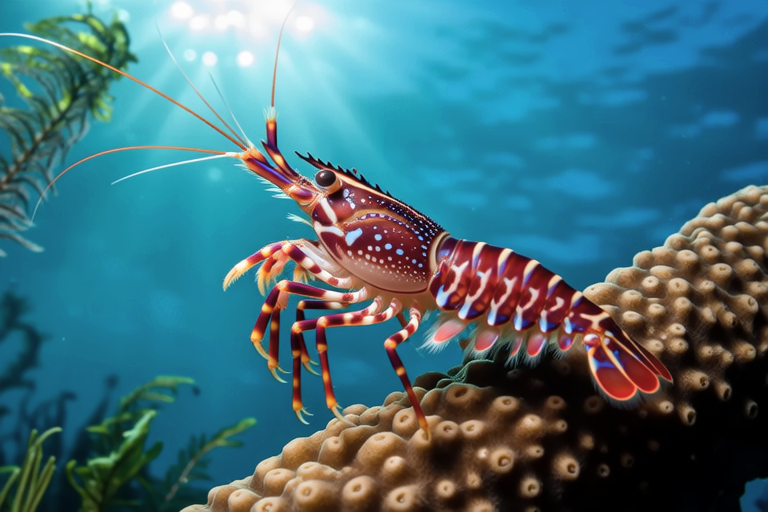
From Ocean Depths to Aquariums: The Ultimate Guide to Coral Shrimp
Coral shrimp, also known as Serastornis spp., are fascinating creatures that play a crucial role in marine ecosystems. These tiny crustaceans are not only visually appealing but also contribute significantly to the health and balance of coral reefs. Their vibrant colors and unique behaviors make them a popular choice among aquarium enthusiasts. This guide will explore the natural habitat of coral shrimp, their adaptation to aquarium life, and provide essential tips for setting up an ideal environment for these fascinating creatures.
Natural Habitat and Importance in Marine Ecosystems
Coral shrimp are primarily found in the tropical and subtropical regions of the Pacific and Indian Oceans. They thrive in various environments within these regions, including shallow lagoons, coral reefs, and deep-sea trenches. One of the most significant aspects of their natural habitat is the presence of live corals, which serve as both shelter and food source. Coral shrimp are often found in areas with high biodiversity, where they can find ample hiding spots and a variety of prey.
In marine ecosystems, coral shrimp act as natural cleaners, feeding on detritus, algae, and small organisms that accumulate on corals. By removing these substances, they help maintain the health and vitality of the reef. Additionally, coral shrimp contribute to nutrient cycling within the ecosystem, playing a vital role in the overall stability of coral reefs.
Adaptation to Aquarium Life
Moving from their natural ocean habitats to aquarium settings requires careful consideration of environmental factors. Coral shrimp are sensitive to changes in water conditions and require a stable environment to thrive. When introducing coral shrimp to an aquarium, it’s essential to ensure that the water parameters are closely monitored and maintained at optimal levels. Parameters such as temperature, salinity, pH, and dissolved oxygen must be kept within a narrow range to mimic their natural habitat.
Gradually acclimating coral shrimp to their new environment is crucial. This process involves slowly introducing them to the aquarium water over several hours to allow them to adjust to the changes in water chemistry. Providing adequate hiding spots, such as live rock and coral structures, helps reduce stress and encourages natural behaviors.
Setting Up an Ideal Aquarium Environment
To create a thriving environment for coral shrimp, it’s important to focus on water parameters, tank mates, and diet. Maintaining stable water conditions is key to ensuring the health and well-being of these delicate creatures. An ideal temperature range for coral shrimp is between 72°F and 82°F (22°C to 28°C), with a salinity level of 1.023 to 1.025 specific gravity. The pH should be kept between 8.1 and 8.4, and the alkalinity should be maintained at 8 to 12 dKH.
When selecting tank mates for coral shrimp, it’s essential to choose species that are compatible and won’t pose a threat. Avoid aggressive or predatory fish that may view coral shrimp as a food source. Suitable tank mates include peaceful species like clownfish, gobies, and certain wrasses. It’s also important to consider the size of the tank, as coral shrimp need ample space to move around and explore.
Feeding coral shrimp in captivity can be challenging, as they have specific dietary requirements. In the wild, they feed on plankton, detritus, and microorganisms found on corals. In an aquarium setting, it’s recommended to provide a varied diet that includes high-quality flake food, frozen brine shrimp, and algae wafers. Supplementing their diet with occasional treats like spirulina flakes or mysis shrimp can help promote vibrant coloration and overall health.
Behavior of Coral Shrimp in Captivity
In captivity, coral shrimp exhibit a range of behaviors that reflect their natural instincts. They are generally shy and prefer to remain hidden during the day, emerging at night to forage for food. Observing their interactions with corals can be particularly interesting, as they often clean and maintain the health of their coral hosts. Watching them scuttle across the substrate or climb on rocks and corals provides a captivating glimpse into their daily lives.
Coral shrimp are social creatures and often form groups within the aquarium. These groups can consist of multiple individuals, and they may engage in grooming behaviors, where one shrimp cleans another. This social interaction is an essential part of their behavior and contributes to their overall well-being. Providing plenty of hiding spots and ensuring a balanced community of tank mates can encourage these natural behaviors.
The Benefits of Keeping Coral Shrimp in Home Aquariums
Keeping coral shrimp in home aquariums offers numerous benefits, both for the aquarist and the reef ecosystem. For aquarists, coral shrimp provide a unique and visually appealing addition to the tank, adding color and movement. Their cleaning habits can also help maintain the health of the reef, promoting a balanced and thriving environment. Coral shrimp are relatively easy to care for, making them an excellent choice for both novice and experienced aquarists.
In conclusion, coral shrimp are fascinating creatures that play a vital role in marine ecosystems. By understanding their natural habitat and adapting to aquarium life, aquarists can provide a thriving environment for these unique crustaceans. Setting up an ideal aquarium environment, focusing on water parameters, tank mates, and diet, is essential for their well-being. Observing their behaviors and interactions within the tank can offer valuable insights into their natural instincts. Ultimately, keeping coral shrimp in home aquariums promotes a healthier and more vibrant reef ecosystem, benefiting both the aquarist and the aquatic community.
