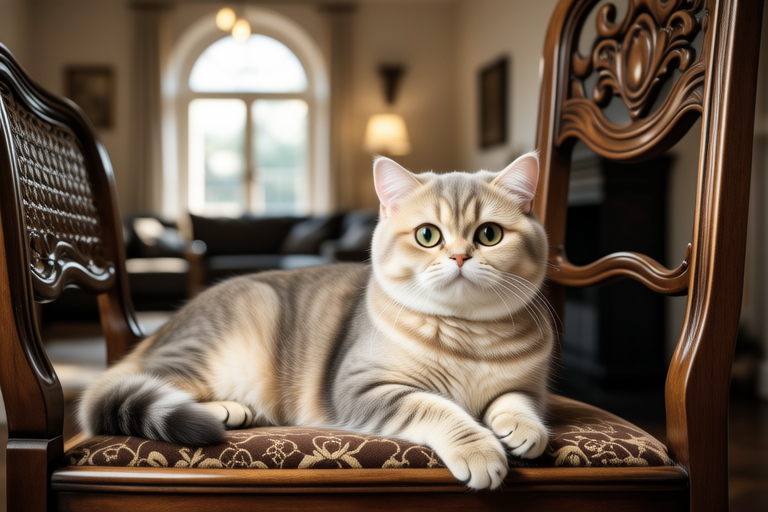
From Royal Palaces to Modern Homes: Life with a Golden British Shorthair
The British Shorthair, with its plush, dense coat and round, expressive eyes, has been a cherished companion for centuries. This breed, known for its regal presence, has a rich history that traces back to the royal palaces of Britain. From the opulent halls of kings and queens to the cozy corners of modern homes, the British Shorthair has gracefully adapted to life as a beloved pet.
This article explores the fascinating journey of the British Shorthair, delving into its historical roots, transitioning into modern households, and highlighting what makes this breed such an ideal companion for cat lovers everywhere.
The History of the British Shorthair
The origins of the British Shorthair can be traced back to ancient Egypt, where cats were revered as sacred animals. Over time, these felines made their way to Britain, where they interbred with local domestic cats, giving rise to the British Shorthair we know today. By the 19th century, the breed had become a favorite among British aristocrats and royalty.
The British Shorthair’s dignified appearance and calm demeanor made it a perfect fit for the refined tastes of the upper classes. The breed was often seen in paintings and portraits, symbolizing wealth and status. One notable mention is Queen Victoria, who was an avid animal lover and owned several British Shorthairs during her reign.
In the early 20th century, the British Shorthair faced a decline in popularity due to the introduction of more exotic breeds. However, dedicated breeders worked tirelessly to preserve the breed, leading to its resurgence in the mid-20th century. Today, the British Shorthair remains one of the most popular cat breeds in the world.
Transitioning from Palaces to Modern Homes
As societal changes took place, so did the role of the British Shorthair. With the advent of the industrial revolution and urbanization, many people moved from rural areas to cities. This shift brought about a change in lifestyle, and with it, the need for smaller, more manageable pets.
The British Shorthair, with its adaptable nature and friendly disposition, found a new home in the hearts of city dwellers. Their calm and gentle demeanor made them ideal companions for families and individuals living in apartments or small houses. Despite no longer residing in grand palaces, the British Shorthair retained its regal air, making it a standout among other cat breeds.
Today, the British Shorthair can be found in homes across the globe. They have seamlessly integrated into modern lifestyles, offering companionship and comfort to their human families. Their adaptability and ease of care have made them a favorite among cat enthusiasts.
Temperament and Characteristics
The British Shorthair is known for its affectionate and laid-back personality. These cats are typically easygoing and enjoy spending time with their human companions. They are not overly demanding but appreciate regular attention and interaction.
One of the most striking features of the British Shorthair is its golden coat. The dense, plush fur comes in various shades, ranging from cream to gold, with some variations having a silver sheen. Their large, round eyes, often described as ‘saucer-like,’ add to their distinctive appearance.
Besides their physical attributes, British Shorthairs are intelligent and trainable. They can learn simple commands and tricks, making them more than just passive companions. Their playful nature, especially when young, ensures endless entertainment for their owners.
Care Requirements
Maintaining the health and well-being of a British Shorthair requires attention to several aspects, including grooming, diet, and exercise. Their thick coats require regular brushing to prevent matting and reduce shedding. Weekly brushing sessions are recommended, especially during seasonal changes when shedding increases.
A balanced diet is essential for maintaining their overall health. High-quality commercial cat food or a homemade diet under veterinary supervision is advisable. Regular veterinary check-ups ensure early detection and management of any potential health issues.
Exercise is crucial for keeping your British Shorthair active and healthy. Interactive toys, scratching posts, and playtime can stimulate their minds and bodies. Providing mental and physical stimulation helps prevent boredom and behavioral issues.
Anecdotes and Personal Stories
Many cat owners have shared heartwarming stories about their experiences with British Shorthairs. One owner, Sarah, recounts how her golden British Shorthair, named Oliver, became an integral part of her family. “Oliver has a way of knowing when I’m feeling down,” Sarah says. “He’ll curl up beside me and purr softly, offering comfort and companionship.”
Another story comes from John, whose British Shorthair, Bella, has a knack for entertaining the household. “Bella is always up for a game of fetch,” John shares. “She loves chasing after toys and bringing them back, much like a dog would.”
These anecdotes highlight the unique bond between humans and their British Shorthair cats. Each story illustrates the breed’s ability to bring joy, companionship, and warmth into the lives of those who love them.
