Clownfish in ‘Finding Nemo’: Fact vs Fiction

When Finding Nemo was released in 2003, it quickly became one of the most beloved animated films of all time. The story of Marlin, a clownfish father, and his son Nemo resonated with audiences worldwide, offering both heartwarming moments and educational insights into marine life. However, as with many animated films, there are differences between the portrayal of clownfish in the movie and their actual behavior and characteristics in the wild. This article explores these discrepancies, highlighting key aspects such as habitat, social structure, parenting roles, and their symbiotic relationship with sea anemones. We will also discuss how the film has influenced public perception of marine biology and conservation efforts for clownfish species.
Habitat and Home
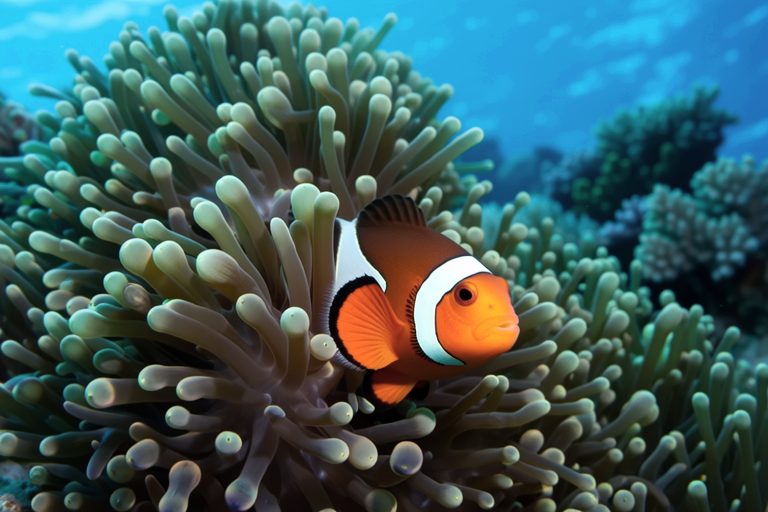
In the movie, Nemo and his family live in a coral reef, specifically within a small anemone. This depiction aligns closely with real-life clownfish habitats. Clownfish (genus Amphiprion) primarily reside in coral reefs across the Indo-Pacific region, from the Red Sea to the Pacific Ocean. These vibrant ecosystems provide the perfect environment for clownfish, who seek shelter among the tentacles of sea anemones. In reality, clownfish are known to inhabit various types of anemones, including the bubble tip anemone (Entacmaea quadricolor) and the carpet anemone (Stichodactyla mertensii).
One significant difference between the film and reality is the size of the anemone. In Finding Nemo, the anemone appears quite large, providing ample space for multiple clownfish. In contrast, real anemones are smaller, often accommodating only one or two clownfish at a time. Additionally, while the movie shows Nemo swimming freely around the reef, in nature, clownfish rarely venture far from their host anemone, which serves as both protection and food source.
Social Structure and Parenting Roles
The social dynamics within Nemo’s family are another aspect where the film takes creative liberties. In the movie, Marlin is portrayed as a highly protective single parent, constantly worrying about Nemo’s safety. While this characterization adds emotional depth to the storyline, it doesn’t accurately reflect the social structure of clownfish in the wild.
In reality, clownfish live in harems, typically consisting of one dominant female, one male, and several subordinates. The dominant female is responsible for laying eggs, while the male fertilizes them and guards the nest. If the dominant female dies, the largest male will transform into a female to take her place. This process, known as sequential hermaphroditism, ensures the continuity of the group. The movie does not depict this complex hierarchy, instead focusing on the relationship between Marlin and Nemo.
Another notable difference is the role of the mother clownfish. In the film, Marlin’s wife, Coral, perishes early in the story, leaving Marlin as the sole caregiver. In contrast, real clownfish mothers play a crucial role in raising their offspring. They work together with their mates to ensure the survival of their eggs, which they carefully guard until hatching.
Relationship with Sea Anemones
One of the most iconic scenes in Finding Nemo involves the interaction between clownfish and sea anemones. The movie portrays the anemone as a dangerous predator that can harm other fish but poses no threat to clownfish. This depiction is based on the unique symbiotic relationship between clownfish and sea anemones, where both organisms benefit from each other.
Sea anemones have stinging cells called nematocysts, which they use to capture prey. However, clownfish have developed a protective mucus layer that prevents the anemone’s stings from affecting them. This adaptation allows clownfish to live among the tentacles of the anemone without being harmed. In return, clownfish provide the anemone with food scraps and protection against predators. The movie captures this mutualistic relationship effectively, though it simplifies the complexity of the interaction.
It’s worth noting that the movie’s portrayal of the anemone as a passive organism is somewhat exaggerated. In reality, sea anemones are active hunters, using their tentacles to ensnare passing prey. While clownfish are immune to the anemone’s sting, they still need to be cautious when interacting with potential threats in the reef ecosystem.
Influence on Public Perception
Finding Nemo has had a profound impact on public perception of marine biology and conservation efforts. The film’s vivid portrayal of underwater life has inspired countless viewers, particularly children, to develop a greater appreciation for ocean ecosystems. By showcasing the beauty and complexity of coral reefs, the movie has helped raise awareness about the importance of protecting marine environments.
However, the film’s portrayal of clownfish has also contributed to some misconceptions. For instance, the movie’s emphasis on the father-child bond may lead viewers to believe that clownfish fathers are the primary caregivers in the wild. While this misunderstanding does not significantly affect conservation efforts, it underscores the importance of accurate representation in media.
Moreover, the popularity of Finding Nemo has led to increased interest in clownfish as pets, contributing to the aquarium trade and potentially threatening wild populations. To address this issue, organizations like the Marine Aquarium Council (MAC) have established guidelines for sustainable clownfish harvesting, ensuring that the demand for pet clownfish does not negatively impact wild populations.
Conservation Efforts
The release of Finding Nemo coincided with growing concerns about climate change and its impact on coral reefs. Rising ocean temperatures, acidification, and pollution pose significant threats to clownfish habitats. As a result, conservation efforts have intensified, with organizations working to protect both clownfish and their coral reef homes.
One of the most effective strategies for conserving clownfish is protecting their habitats. Coral reefs are incredibly diverse ecosystems that support a wide range of marine life, including clownfish. By preserving these habitats, we can help ensure the survival of clownfish populations. Additionally, efforts to reduce carbon emissions and promote sustainable fishing practices can further contribute to the preservation of marine biodiversity.
Education plays a crucial role in conservation efforts. By raising awareness about the importance of marine ecosystems and the challenges facing clownfish, we can inspire individuals to take action. Programs like the MarineBio Conservation Society and the World Wildlife Fund (WWF) offer resources and tools for educators, students, and community members to learn more about marine biology and conservation.
Conclusion
While Finding Nemo offers a charming and entertaining portrayal of clownfish, it also presents some inaccuracies when compared to real-life behaviors and characteristics. By understanding these differences, we can appreciate the film’s artistic license while recognizing the importance of accurate representation in media. The movie’s influence on public perception highlights the power of storytelling in shaping our understanding of the natural world. As we continue to explore and protect marine ecosystems, it is essential to maintain a balance between entertainment and education, ensuring that future generations can enjoy the wonders of the ocean for years to come.
