Betta Fish Care: Everything You Need to Know Before You Adopt
Introduction
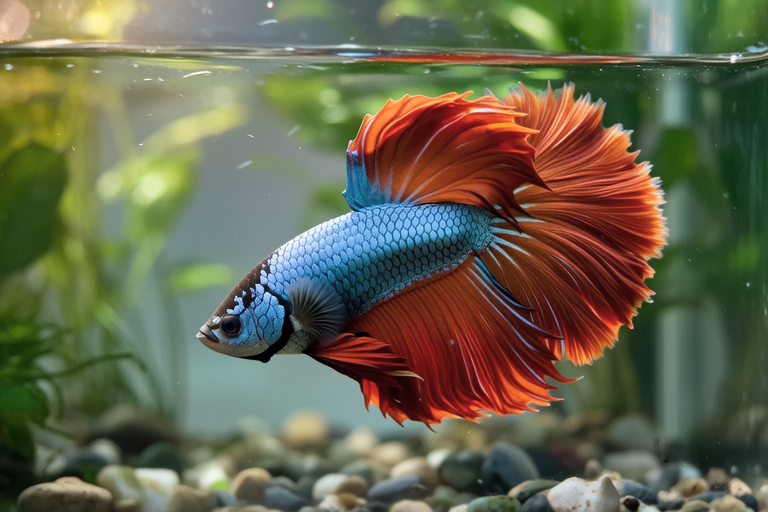
Welcome to the fascinating world of betta fish! These vibrant, colorful creatures have become increasingly popular among pet enthusiasts, particularly for their striking appearance and relatively low maintenance needs. Often referred to as Siamese fighting fish due to their aggressive behavior towards other bettas, these fish are known for their flowing fins and wide array of colors. Their popularity stems from their adaptability to various living conditions, making them ideal for both novice and experienced aquarists.
Selecting the Right Tank Size
One of the first decisions you’ll need to make when adopting a betta fish is choosing the right tank size. While many people believe that bettas thrive in small bowls, this is a misconception. Betta fish require more space than what a bowl can provide. A minimum tank size of 2.5 gallons is recommended for a single betta, though larger tanks are preferable. The extra room allows your betta to swim comfortably and helps maintain better water quality. Always ensure that the tank has a secure lid, as bettas are skilled jumpers.
Appropriate Water Conditions
Water quality is crucial for the well-being of your betta fish. The temperature should be maintained between 76 and 82 degrees Fahrenheit, which closely mimics their natural habitat. Use a thermometer to monitor the water temperature regularly. Additionally, the pH level should be kept between 6.5 and 7.5. Investing in a water testing kit will help you keep track of these parameters. Regular water changes—about 25% weekly—are essential to remove toxins and waste products.
Filtration Systems
Introducing a filtration system into your betta’s tank is vital for maintaining clean water. Filters help control the growth of harmful bacteria and algae by removing debris and excess food particles. However, not all filters are suitable for bettas. Opt for a gentle filter that creates minimal water flow, as bettas are sensitive to strong currents. Consider sponge filters, which provide mechanical and biological filtration without disturbing your betta’s swimming environment.
Diet and Feeding Habits
Providing a balanced diet is key to keeping your betta healthy and vibrant. Bettas are carnivorous and primarily feed on protein-rich foods such as brine shrimp, bloodworms, and daphnia. Commercial betta pellets and flakes also serve as excellent sources of nutrition. Feed your betta twice daily, offering only what they can consume within two minutes to prevent overfeeding. Overfeeding can lead to bloating and other digestive issues. It’s important to vary their diet occasionally to ensure they receive all necessary nutrients.
Tank Decoration and Safety
Decorating your betta’s tank not only enhances its aesthetic appeal but also enriches the fish’s environment. Plants, both real and artificial, offer hiding spots and resting places, reducing stress and promoting natural behaviors. Driftwood, caves, and ceramic decorations can add visual interest while providing additional shelter. Ensure that any decorations are smooth and free from sharp edges to prevent injury. Live plants can improve water quality through oxygen production and nutrient absorption, but they require regular care.
Common Health Issues and Signs of Distress
Understanding common health issues can help you identify potential problems early and take prompt action. Fin rot, characterized by frayed or disintegrating fins, is one of the most prevalent issues. This condition often results from poor water quality. Other signs of distress include loss of appetite, lethargy, and unusual spots or patches on the body. If you notice any of these symptoms, perform a water change immediately and consider consulting a veterinarian specializing in aquatic animals. Quarantine new additions to the tank to prevent the spread of diseases.
Handling and Interacting Safely
While bettas may appear docile, handling them should be done cautiously. Avoid scooping them up with nets, as this can cause stress and injury. Instead, use a soft, flat container to gently transfer your betta. Frequent handling is unnecessary, but occasional interaction can strengthen the bond between you and your pet. Place your hand near the surface of the water to encourage your betta to come explore. Be patient; some bettas may take time to become comfortable with human interaction.
By following these guidelines, you’ll be well-equipped to provide a loving and nurturing home for your betta fish. Remember, adopting a pet is a long-term commitment, so ensure you’re prepared for the responsibilities involved. With proper care and attention, your betta will thrive, bringing joy and beauty to your home for years to come.
