Is the Chilean Rose Tarantula Right for You? Honest Pros and Cons
If you’ve ever been intrigued by exotic pets but aren’t ready to commit to a dog or cat, you might have considered something a little more… unusual. Enter the Chilean Rose Tarantula (*Grammostola rosea*). With its fluffy appearance, gentle demeanor, and low-maintenance lifestyle, this arachnid has become a favorite among beginner tarantula keepers around the world.
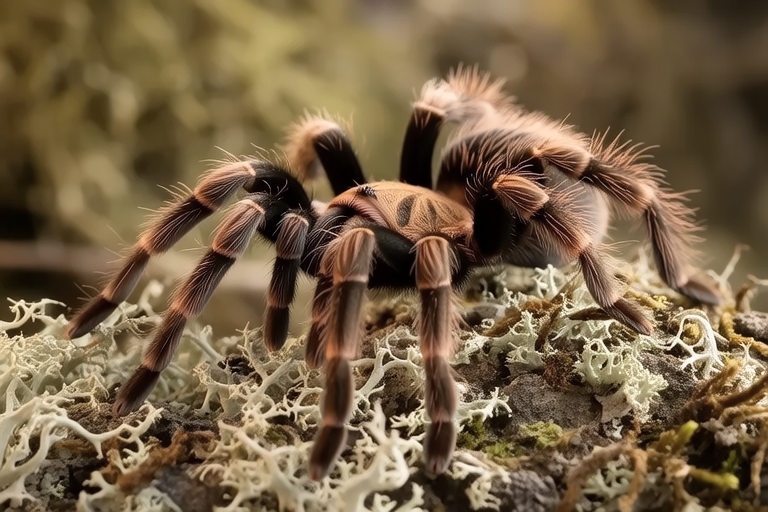
Native to the dry regions of central Chile, the Chilean Rose Tarantula is known for its striking reddish-brown hairs and calm temperament—qualities that make it stand out in the often-misunderstood world of spiders. Unlike many other tarantulas, which can be skittish or aggressive, the Chilean Rose tends to be slow-moving and docile, making it one of the most approachable species for new owners.
But before you rush out to buy one, it’s essential to understand what you’re really getting into. While they’re often marketed as “easy” pets, they come with unique challenges and responsibilities. In this article, we’ll break down the real pros and cons of owning a Chilean Rose Tarantula—no sugarcoating, just honest insights—to help you decide if this long-legged companion fits your lifestyle and expectations.
—
Pros: Why So Many People Love the Chilean Rose Tarantula
Let’s start with the good news—the reasons so many people fall in love with this spider.
Low Maintenance Care
One of the biggest draws is how little time and effort they require. Unlike dogs or even fish, Chilean Rose Tarantulas don’t need daily walks, tank cleanings, or constant attention. A once-a-week check-in is usually sufficient. They thrive on routine, not interaction.
Long Lifespan (Up to 20–30 Years)
A female Chilean Rose can live for two to three decades—longer than many pets! This isn’t just a short-term novelty; it’s a long-term commitment. For those who value longevity in their companionship, this is a major plus. It’s rare to find a pet that lives longer than most humans’ average lifespan, and that kind of bond can be deeply rewarding.
Docile Temperament
The Chilean Rose is famously calm. Most individuals will simply sit quietly in their enclosure, rarely showing signs of stress or aggression. They rarely bite unless provoked, and even then, the bite is typically mild and not dangerous to humans. Their slow movements give them a peaceful presence—perfect for someone seeking a quiet, meditative pet.
Minimal Space Requirements
You don’t need a huge terrarium. A 10-gallon (about 40-liter) enclosure is usually enough for an adult. The key is vertical space rather than floor area, so a compact setup works well—even in small apartments or dorm rooms.
Easy Feeding Schedule
These tarantulas eat insects like crickets, roaches, or mealworms—foods readily available at pet stores. Feed them every 5–7 days, depending on age and size. Overfeeding is a common mistake, so it’s important to monitor portion sizes. But overall, feeding is simple and infrequent.
Infrequent Handling Needs
Unlike cats or dogs, these spiders don’t crave cuddles or attention. In fact, handling them is discouraged. They’re fragile, and excessive handling can cause stress or injury. Their lack of desire for physical contact means less pressure on you to “bond” in traditional ways—ideal for those who enjoy observing rather than interacting.
Simple Enclosure Setup
Setting up a proper home is straightforward. You’ll need a secure lid, substrate (like coconut fiber or peat moss), hiding spots (a cork bark or small cave), and some humidity control. No fancy filters or heaters are needed—just basic, reliable conditions.
—
Cons: What You Should Know Before You Buy
Now let’s get real. Every pet comes with trade-offs—and the Chilean Rose is no exception.
Slow Movement and Limited Interaction
They move slowly, sometimes appearing almost dormant. If you’re used to energetic pets that respond to your voice or movement, this might feel underwhelming. These spiders don’t play, follow, or show affection. Your primary role is observer, not partner.
Lack of Interactive Behavior
While fascinating to watch, they won’t engage with you. There’s no chasing toys, no purring, no wagging tail. If you’re looking for emotional connection or entertainment, you may feel disappointed. The joy comes from observation and learning—not interaction.
Risk of Bites (Though Rare)
Yes, they *can* bite—but only if they feel threatened, startled, or mishandled. Even then, the bite is usually more startling than painful, like a pinprick. However, some people may experience allergic reactions. And while the venom is not harmful to healthy adults, it’s still a risk worth noting.
Molting Vulnerabilities
Molting is a critical phase where the tarantula sheds its old exoskeleton to grow. During this time, they’re extremely fragile—especially when upside down or exposed. Disturbing them during molting can lead to death or deformities. Owners must learn to recognize molting signs and avoid any interference.
Emotional Challenge of Longevity
Caring for a pet that could outlive you is emotionally complex. Imagine raising a child-like companion for 25 years, only to face their eventual passing. While this deepens the bond, it also means enduring grief over a non-traditional pet. Not everyone is prepared for that level of emotional investment.
Ethical Considerations Around Sourcing
Wild-caught tarantulas can contribute to habitat destruction and illegal wildlife trade. Responsible owners should always seek captive-bred specimens from reputable breeders. Supporting ethical sourcing ensures better animal welfare and reduces environmental impact.
Potential for Escape
Tarantulas are surprisingly agile climbers. If their enclosure isn’t securely sealed, they can escape—sometimes through tiny gaps. Once loose, finding them can be nearly impossible. A failed enclosure setup can lead to unexpected panic and cleanup.
—
Ideal Owner Profile: Who Should Consider a Chilean Rose?
So, who truly thrives with a Chilean Rose Tarantula?
This pet is best suited for:
- Patients and Observers: If you appreciate quiet moments, nature documentaries, or meditation, watching a tarantula explore its world can be oddly soothing.
- Detail-Oriented Individuals: Success hinges on consistent monitoring of temperature, humidity, and feeding schedules. Those who enjoy tracking routines and keeping logs will excel.
- Curious Learners: Understanding spider biology, molting cycles, and behavior requires research. This is a great pet for people who love learning about animals and ecosystems.
- Those Seeking Low-Commitment Pets: If you want a pet without daily care demands but still want meaningful responsibility, this is a strong fit.
- People Comfortable with Non-Traditional Pets: If you’re open-minded about unconventional companions and don’t mind defying social norms, you’ll likely enjoy the uniqueness of a tarantula.
On the flip side, this pet is not ideal for:
- Children who expect interactive pets.
- Anyone who needs emotional feedback or companionship from their pet.
- Impulsive buyers who don’t do research first.
- Those afraid of spiders—even if they’re not actually dangerous.
—
Care Requirements: What You Need to Know
Owning a Chilean Rose Tarantula isn’t just about buying a spider and putting it in a box. Here’s what you must provide for a healthy, happy life:
Enclosure Size & Type
A 10-gallon glass terrarium is ideal for adults. Use a wide, shallow container—these spiders prefer horizontal space over height. Ensure the lid is secure and escapes-proof. Ventilation is necessary, but not overly airy—too much airflow dries out the environment.
Substrate
Use a moisture-retaining material like coconut fiber, peat moss, or a mix. Depth should be at least 2–3 inches to allow burrowing. Avoid sand or soil mixes that dry out too quickly.
Humidity & Temperature
Maintain humidity between 60–70% and temperatures around 75–80°F (24–27°C). Use a hygrometer and thermometer to monitor conditions. A humid hide (a small enclosed space with damp substrate) helps during molting.
Feeding Schedule
Feed juveniles every 5–7 days; adults every 7–10 days. Offer prey items slightly smaller than the spider’s body length. Remove uneaten food within 24 hours to prevent mold or pests.
Handling Guidelines
Avoid handling altogether. These spiders are fragile and stressed by human touch. If you must move them (e.g., cleaning), use a soft paintbrush or tongs—never fingers. Never pick them up by legs or abdomen.
Molting Support
During molting, leave the spider alone. Do not disturb the enclosure, feed, or handle. Provide a moist hide and ensure stable conditions. After molting, wait at least a week before feeding.
Hygiene & Cleaning
Clean the enclosure only when necessary—typically every 1–2 months. Remove feces and uneaten food promptly. Replace substrate entirely only when it becomes contaminated or decomposed.
—
Final Verdict: Is the Chilean Rose Right for You?
The Chilean Rose Tarantula is a fascinating, low-maintenance pet that offers a unique blend of longevity, calmness, and simplicity. It’s perfect for the patient, curious, and detail-oriented individual who values quiet companionship over flashy interaction.
But here’s the bottom line: **It’s not a pet for everyone.**
If you’re looking for a cuddly, playful, or responsive companion, you’ll be disappointed. If you’re uncomfortable with spiders or unprepared for a 20+ year commitment, think twice.
That said, if you’re willing to embrace the quiet rhythm of arachnid life—learning about molting cycles, enjoying the subtle beauty of a slow-moving creature, and respecting its boundaries—you might just find a deep sense of peace in caring for a Chilean Rose.
Ultimately, the right pet isn’t the one that’s easiest to own—it’s the one that matches your values, lifestyle, and emotional readiness. The Chilean Rose Tarantula isn’t a trend or a gimmick. It’s a living being with needs, rhythms, and a lifespan that demands respect.
Before you take the leap, ask yourself:
- Am I okay with a pet that doesn’t interact with me?
- Can I commit to a pet that might live longer than I do?
- Am I prepared to research, observe, and maintain a stable environment?
- Do I genuinely enjoy watching and understanding animals, even if they’re not “cute” by traditional standards?
If your answer is yes—then the Chilean Rose Tarantula might just be the perfect pet for you.
Just remember: owning a tarantula isn’t about having a novelty item. It’s about becoming a responsible steward of a remarkable creature—one that, despite its eight legs and intimidating look, deserves kindness, care, and respect.
And in the end, that’s what makes any pet truly worthwhile.
Bottom Line: The Chilean Rose Tarantula is a fantastic choice for the right person—but not for everyone. Weigh the pros and cons carefully, prioritize ethical sourcing, and reflect honestly on your expectations before bringing one home.
