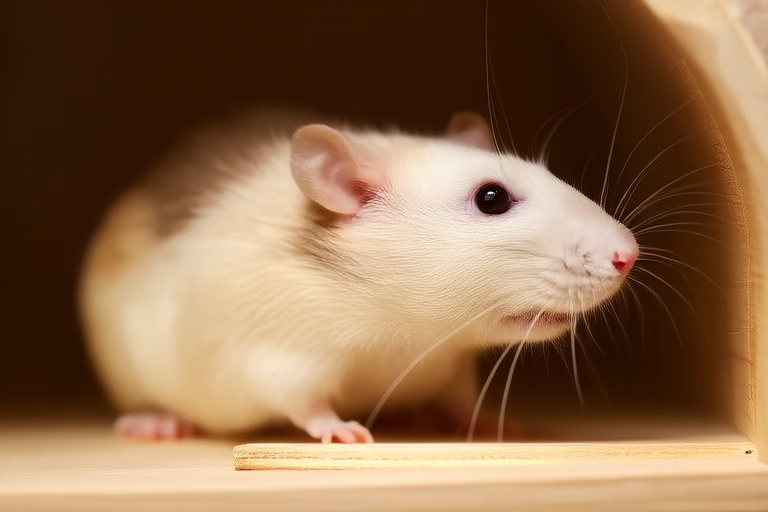
Fancy Rats: Unveiling the Secrets of These Intelligent Pets
When most people think of rats, they likely envision the wild, disease-carrying creatures that scurry through sewers or infest grain stores. However, there’s another side to rats that many don’t know – the fancy rat. These domesticated rodents have become popular pets, known for their intelligence, social nature, and playful personalities. Let’s explore the unique behaviors, social structures, and daily routines of fancy rats.
Unique Behaviors and Intelligence
Fancy rats are highly intelligent animals, capable of solving puzzles, learning tricks, and even recognizing their names. They can be trained to perform simple tasks like walking through obstacle courses or retrieving objects. Their problem-solving skills are remarkable, and they enjoy challenges that stimulate their minds. For example, rats have been observed working together to figure out how to access food placed just out of reach.
Their curiosity is one of their most endearing traits. They love to explore new environments, investigate unfamiliar objects, and interact with their surroundings. Owners can provide mental stimulation by offering toys, tunnels, and climbing structures. This not only keeps them entertained but also helps prevent boredom and destructive behavior.
Social Structures and Play Habits
Rats are highly social animals and thrive in groups. In the wild, they live in colonies, and this social structure carries over into captivity. When kept in pairs or small groups, rats form strong bonds with their companions. They groom each other, share food, and play together. These interactions are essential for their emotional well-being and should be encouraged by providing ample space for socialization.
Play is an important part of their daily routine. Rats engage in various forms of play, including chasing, wrestling, and playing tug-of-war with toys. Watching them play can be both entertaining and heartwarming. It’s fascinating to see how they communicate through body language and vocalizations during playtime.
Sleeping Patterns
Rats are crepuscular animals, meaning they are most active during dawn and dusk. During the day, they tend to sleep more, though they may still be awake at times. At night, they are more active, exploring their environment, interacting with cage mates, and playing. Providing a comfortable sleeping area, such as a cozy nest made from soft materials, is crucial for their well-being.
Dietary Preferences
Fancy rats have specific dietary needs that must be met to ensure their health and longevity. A balanced diet should include high-quality commercial rat pellets, fresh vegetables, fruits, and occasional treats. Avoid feeding them sugary or fatty foods, as these can lead to obesity and other health issues. Providing a variety of foods encourages exploration and keeps their diet interesting.
Environmental Needs
Rats need an appropriate living environment to thrive. A spacious cage with multiple levels, tunnels, and hiding spots provides ample room for exercise and exploration. The cage should be cleaned regularly to maintain hygiene and prevent the spread of diseases. Additionally, providing chew toys is essential, as rats have a natural urge to gnaw on things. This helps keep their teeth healthy and prevents overgrowth.
Communication Methods
Rats communicate through various means, including body language, vocalizations, and scent marking. They use different sounds to express emotions, such as chirping when excited or purring when content. Understanding these signals can help owners better connect with their pets and respond to their needs. Observing their behavior and listening to their vocalizations can reveal a lot about their emotional state.
Solving Puzzles and Curiosity
Fancy rats excel at solving puzzles, which makes them excellent candidates for enrichment activities. Owners can create DIY puzzle feeders or purchase commercially available options. These activities challenge their minds and keep them engaged. Watching them work through a puzzle is rewarding for both the rat and the owner. Their curiosity drives them to explore new stimuli, making them ideal candidates for interactive toys and games.
Interactions Within Colonies
Within their colonies, rats establish hierarchies and roles. Dominant individuals may assert their authority through body language and vocalizations, while subordinate members submit to avoid conflict. Despite this, cooperation and mutual support are common among colony members. Understanding these dynamics can help owners create harmonious living conditions for their pets.
Tips for Owners
To understand and enrich your pet’s life, it’s important to observe their behavior closely. Pay attention to their interactions with cage mates, their activity levels, and any changes in appetite or grooming habits. Regular veterinary check-ups are also crucial for maintaining their health. Providing a stimulating environment with toys, tunnels, and opportunities for social interaction will keep your fancy rats happy and healthy.
Additionally, consider training your rats to come when called or perform simple tricks. This strengthens the bond between you and your pet and provides mental stimulation. Always handle your rats gently and with respect, ensuring they feel safe and secure. By understanding their unique needs and behaviors, you can provide a fulfilling life for your fancy rat companions.
