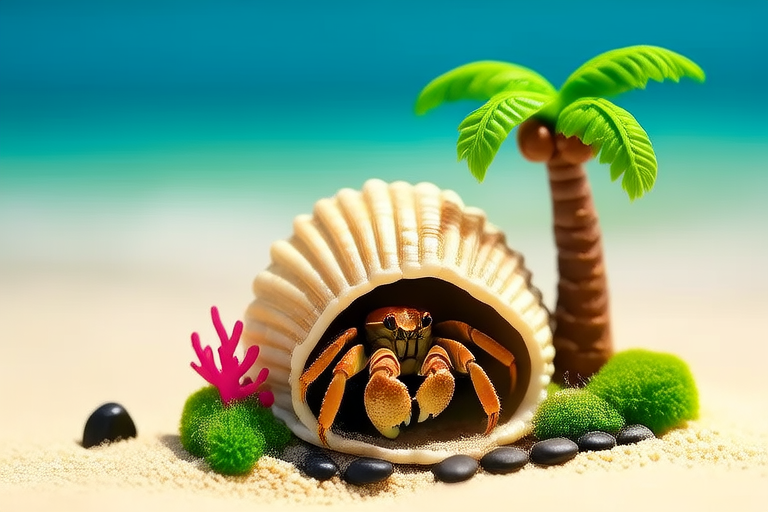
DIY Guide: Building a Comfortable and Safe Shelter for Hermit Crabs
Welcome to your ultimate guide to creating a cozy home for your hermit crab friends! Whether you’re a seasoned hermit crab owner or just starting out, this step-by-step tutorial will help you build an ideal habitat that ensures your crustaceans are happy and healthy. Let’s dive into the essentials you’ll need, the construction process, and some valuable tips to keep your hermit crabs thriving.
Essential Materials
- Plastic storage container: Choose one with a secure lid to prevent escapes.
- Substrate: Use coconut fiber or a mixture of sand and gravel.
- Hiding spots: Provide various shells and pieces of driftwood.
- Water dishes: One for freshwater and one for saltwater.
- Humidity box: A small container filled with moist substrate.
- Decorative elements: Rocks, plants, and other ornaments.
- Temperature control: Heat mat or under-tank heater.
Tools Needed
- Measuring tape
- Screwdriver (for securing the lid)
- Drill (with appropriate bits)
- Scissors or utility knife
- Permanent marker
Detailed Instructions for Assembly
Step 1: Prepare the Container
Begin by selecting a suitable plastic storage container. The size depends on the number of hermit crabs you plan to house. For two to four crabs, a container measuring approximately 18 inches long, 12 inches wide, and 10 inches tall should suffice. Larger groups will require proportionally bigger enclosures. Ensure the container has a tight-fitting lid to prevent escapes.
Using a permanent marker, mark where you’ll drill ventilation holes. Space them evenly along the sides and top of the container, leaving at least 1 inch from the edges. Drill these holes carefully, making sure they’re large enough for air circulation but small enough to prevent escapes.
Step 2: Add Substrate
Line the bottom of the container with a layer of coconut fiber or a mix of sand and gravel. This substrate should be deep enough for your hermit crabs to burrow comfortably. Aim for a depth of about 4 inches for smaller enclosures, increasing as necessary for larger habitats.
Moisten the substrate with water until it reaches a damp consistency, similar to a wrung-out sponge. Avoid making it too wet, as standing water can lead to mold growth. To maintain proper moisture levels, place a humidity box inside the enclosure. Fill this small container with moistened coconut fiber or another suitable substrate.
Step 3: Install Water Dishes
Hermit crabs need access to both freshwater and saltwater. Place two shallow dishes within the enclosure—one for each type of water. Ensure these dishes are heavy enough to resist tipping over and have smooth, rounded edges to prevent injury. Change the water daily and clean the dishes regularly to maintain hygiene.
Step 4: Create Hiding Spots
Your hermit crabs will appreciate plenty of hiding spots. Offer a variety of shells, pieces of driftwood, and other natural materials for them to explore. Arrange these items so that they provide multiple levels and nooks for your crabs to retreat into. Make sure there are enough hiding spots for all your crabs, as overcrowding can cause stress.
Step 5: Decorate and Final Touches
Add decorative elements like rocks, plants, and other ornaments to make the enclosure more interesting for your hermit crabs. These decorations also serve as additional hiding spots and climbing structures. Secure any loose items to prevent them from falling onto the substrate. Finally, attach a heat mat or under-tank heater to the outside of the container if necessary, ensuring it doesn’t directly touch the glass.
Tips for Customization Based on Number of Crabs and Their Specific Needs
When planning your hermit crab habitat, consider the number of crabs you intend to house. More crabs mean more space is required. A good rule of thumb is to provide at least 2 square feet of floor space per crab. Additionally, offer a variety of shell sizes to accommodate different growth stages and preferences.
Monitor your hermit crabs’ behavior closely to ensure they’re comfortable in their new home. If you notice signs of stress, such as excessive digging or hiding, adjust the environment accordingly. Providing ample space, ventilation, humidity, and hiding spots will go a long way in promoting a healthy and happy habitat.
Maintaining a Healthy Habitat
Regular maintenance is crucial for keeping your hermit crab enclosure clean and safe. Check the substrate moisture level every few days and adjust as needed. Clean the water dishes daily and replace the substrate periodically to prevent bacterial buildup.
Monitor the temperature and humidity levels within the enclosure. Hermit crabs thrive in environments with temperatures between 75°F and 85°F and humidity levels around 70-80%. Use a hygrometer to measure humidity and a thermometer to check temperature. Adjust heating and ventilation as necessary to maintain optimal conditions.
Common Mistakes to Avoid When Setting Up the Shelter
Avoid overcrowding the enclosure, as this can lead to stress and aggression among your hermit crabs. Ensure there are enough hiding spots and space for all inhabitants. Also, refrain from using harmful substances like cedar shavings or harsh chemicals, which can be toxic to hermit crabs.
Be mindful of the substrate’s moisture level. Too much water can cause mold growth, while insufficient moisture can lead to dehydration. Regularly check and adjust the substrate as needed to maintain the right balance.
Emphasis on Adequate Space, Ventilation, Humidity Levels, and Hiding Spots
Providing adequate space, ventilation, humidity, and hiding spots is paramount for hermit crab well-being. Ensure the enclosure is spacious enough for all inhabitants and offers multiple levels and nooks for exploration. Proper ventilation allows for fresh air circulation, preventing the buildup of harmful gases. Maintain consistent humidity levels through regular monitoring and adjustment. Lastly, offer numerous hiding spots to reduce stress and promote a sense of security.
By following these steps and tips, you’ll create a thriving environment for your hermit crabs. Remember, patience and attention to detail are key in providing the best possible home for these fascinating creatures. Happy crab keeping!
