From Fear to Fascination: Why Chilean Rose Tarantulas Are Winning Hearts
In the realm of exotic pets, few creatures evoke such a polarized reaction as tarantulas. The mere mention of these eight-legged arachnids can send shivers down the spines of many, yet others find themselves irresistibly drawn to these misunderstood animals. Among the various species of tarantulas, the Grammostola rosea, commonly known as the Chilean Rose tarantula, has emerged as a favorite among pet enthusiasts. This article delves into why these tarantulas are winning hearts, transforming fear into fascination.
The Common Fear of Tarantulas
Many people harbor an intense fear of spiders, a phobia known as arachnophobia. This fear often stems from misconceptions and media portrayals that depict tarantulas as aggressive, venomous creatures. However, the Chilean Rose tarantula challenges these stereotypes with its docile nature and striking appearance.
The Allure of Chilean Rose Tarantulas
Appearance
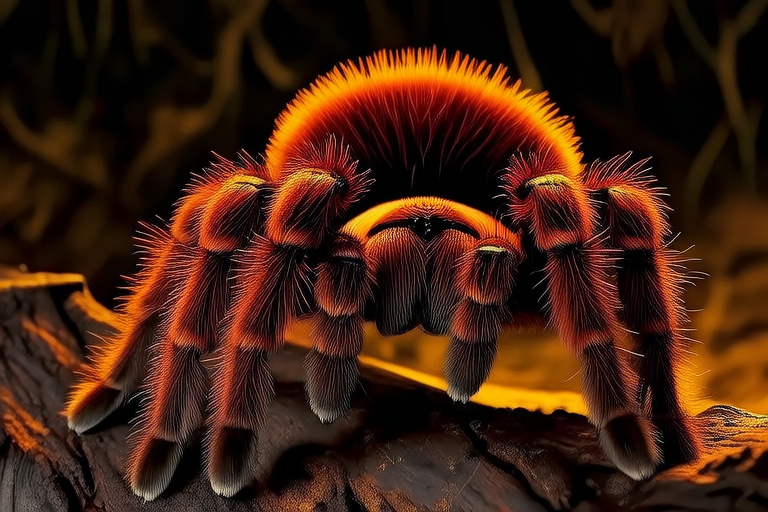
Chilean Rose tarantulas boast a captivating appearance that belies their gentle demeanor. As hatchlings, they are a pale pink hue, which gradually deepens to a rich, dusty rose color as they mature. Their legs are adorned with soft, velvety hairs that shimmer in the light, giving them an almost ethereal quality. When fully grown, these tarantulas can reach lengths of up to 4 inches (10 cm), making them a visually striking addition to any collection.
Temperament
Contrary to popular belief, Chilean Rose tarantulas are not aggressive and rarely bite unless provoked. They are generally calm and slow-moving, preferring to retreat into their burrows rather than confront potential threats. Their docility makes them ideal pets for those new to tarantula ownership, as well as seasoned arachnophiles seeking a manageable and low-maintenance companion.
Care Requirements
Maintaining a Chilean Rose tarantula is relatively straightforward. These creatures thrive in enclosures that mimic their natural desert habitats, requiring a substrate of coconut fiber or vermiculite for burrowing. A shallow water dish and a hiding spot, such as a cork bark or clay flowerpot, complete the setup. Temperature and humidity levels should be kept moderate, between 75-85°F (24-29°C) and 60-70%, respectively. Feeding consists of a diet of crickets and other small insects, provided once or twice a week.
Winning Hearts: The Appeal of Chilean Rose Tarantulas
The combination of their striking appearance, gentle temperament, and manageable care requirements has made Chilean Rose tarantulas a popular choice for both novice and experienced pet owners. For beginners, these tarantulas provide a gentle introduction to the world of exotic pets, allowing them to build confidence and understanding. For more experienced arachnophiles, they offer a unique and rewarding challenge.
Stories of Transformation
Many individuals have overcome their initial fears of spiders by keeping Chilean Rose tarantulas as pets. One such person is Sarah, who recounts her journey from arachnophobe to proud tarantula owner. “I used to panic at the sight of even the smallest spider,” she says. “But after adopting my first Chilean Rose, I realized how gentle and fascinating they truly are. Now, I can’t imagine life without her.” Stories like Sarah’s highlight the transformative power of these creatures, showing how they can help people confront and overcome their fears.
The Growing Trend of Tarantula Ownership
The popularity of tarantulas as pets has been steadily increasing over the past decade. According to industry reports, sales of tarantulas have risen by over 30% in recent years, with the Chilean Rose tarantula leading the pack. This surge in interest can be attributed to several factors, including the availability of high-quality care information online, the rise of social media platforms dedicated to exotic pets, and the growing awareness of the ethical considerations surrounding exotic animal ownership.
The Role of Chilean Rose Tarantulas in Changing Perceptions
Chilean Rose tarantulas play a significant role in shifting public perception of these often-maligned creatures. By providing a gentle and accessible entry point into tarantula ownership, they help dispel myths and misconceptions about tarantulas. Their increasing presence in homes and communities serves as a powerful reminder of the diversity and beauty of the natural world, encouraging greater respect and appreciation for all living beings.
In conclusion, the Chilean Rose tarantula stands out as a remarkable ambassador for its species, challenging the common fear of spiders and winning hearts through its unique charm. As more people discover the joys of tarantula ownership, it is hoped that this trend will continue to foster a deeper understanding and appreciation of these incredible creatures.
