Top 10 Facts About the Playful Dutch Dwarf Rabbit You Need to Know
The Dutch Dwarf Rabbit is a charming and compact breed that has captured the hearts of many pet owners. Known for their friendly nature and distinctive coloring, these rabbits make excellent companions. Below are ten fascinating facts about the Dutch Dwarf Rabbit that every potential owner should know.
1. Unique Physical Traits
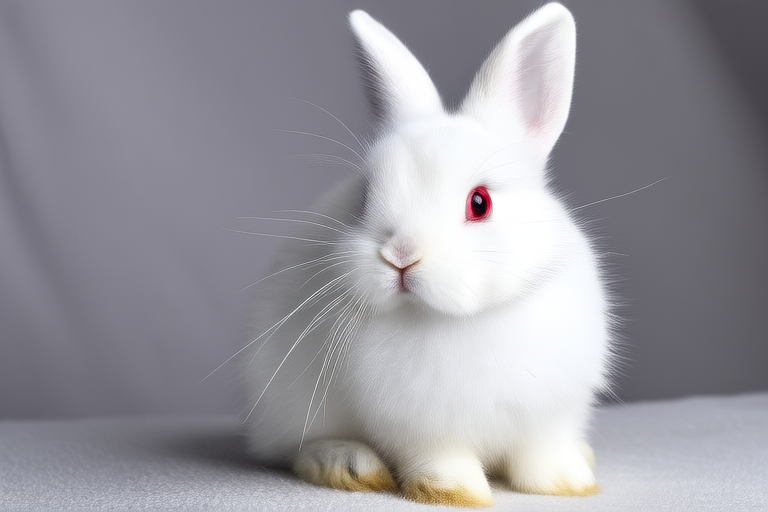
Dutch Dwarf Rabbits are small in size, typically weighing between 2 to 3 pounds. Their most striking feature is their contrasting coloration, which includes a white blaze on the face and white feet, along with a dark-colored body. The standard colors recognized by the American Rabbit Breeders Association (ARBA) include black, blue, chocolate, and lilac. These rabbits have short, dense coats that are soft to the touch, adding to their appeal as pets.
2. Friendly and Social Temperament
Dutch Dwarf Rabbits are renowned for their gentle and sociable demeanor. They are often described as being more outgoing than other breeds, making them ideal for families with children or individuals seeking a companion animal. These rabbits enjoy human interaction and can be trained to perform simple tricks, further enhancing their bond with their owners. However, it is important to handle them gently due to their small size.
3. Dietary Needs
A proper diet is crucial for maintaining the health of your Dutch Dwarf Rabbit. Their diet should consist primarily of high-quality hay, which aids in digestion and keeps their teeth healthy. Fresh vegetables, such as leafy greens and carrots, can be offered in moderation. Pellets formulated specifically for rabbits should also be provided but in limited quantities to avoid obesity. Additionally, access to clean water is essential at all times.
4. Common Health Issues
Like all animals, Dutch Dwarf Rabbits are susceptible to certain health problems. One of the most common issues they face is dental disease, particularly overgrown teeth. Regular veterinary check-ups and proper diet can help prevent this condition. Other potential health concerns include respiratory infections and gastrointestinal stasis. It is advisable to keep their living environment clean and dry to minimize the risk of infections.
5. Rich History
The origins of the Dutch Dwarf Rabbit can be traced back to the Netherlands in the early 20th century. They were developed by crossing various small rabbit breeds, including the Netherland Dwarf. Initially bred for meat production, their popularity grew due to their appealing appearance and docile nature. Today, they are primarily kept as pets and show animals. Their history reflects the evolution of rabbit breeding from practical purposes to recreational activities.
6. Living Conditions
Providing the right living conditions is vital for the well-being of your Dutch Dwarf Rabbit. A spacious cage with plenty of room for movement is necessary. The cage should be equipped with a solid floor to prevent injuries from wire flooring. Adding soft bedding material, such as straw or shredded paper, ensures comfort. Additionally, a safe play area outside the cage allows for supervised exercise and mental stimulation. Regular cleaning of the living space is essential to maintain hygiene.
7. Exercise Requirements
Regular exercise is important for the physical and mental health of Dutch Dwarf Rabbits. While they spend much of their time in their cage, providing opportunities for supervised playtime outside is beneficial. This can be done by setting up a secure playpen or allowing them to roam under close supervision in a rabbit-proofed room. Exercise helps prevent obesity and promotes overall fitness. Engaging toys, tunnels, and platforms can enhance their activity levels and provide entertainment.
8. Grooming Tips
Grooming your Dutch Dwarf Rabbit is relatively straightforward but requires attention to detail. Their short fur does not require frequent brushing, but regular brushing during shedding seasons helps remove loose hair and prevents hairballs. Bathing should be avoided unless absolutely necessary, as it can stress the rabbit and disrupt their natural oils. Instead, spot cleaning with a damp cloth is recommended. Trimming their nails regularly and checking their ears for signs of infection are additional grooming tasks to consider.
9. Interaction Behaviors with Humans
Dutch Dwarf Rabbits are known for their affectionate behavior towards humans. They often exhibit signs of pleasure, such as flopping over onto their side, when comfortable around their owners. They may also engage in gentle nudging or hopping around as a way of seeking attention. Encouraging positive interactions through gentle handling and offering treats can strengthen the bond between you and your rabbit. However, it is important to respect their boundaries and not force interaction if they seem uncomfortable.
10. Special Care Instructions
Special care is needed to ensure the longevity and happiness of your Dutch Dwarf Rabbit. Providing a balanced diet, regular exercise, and proper grooming are fundamental aspects of care. Additionally, monitoring their behavior for any signs of distress or illness is crucial. Establishing a routine for feeding, playtime, and grooming helps create a predictable environment that your rabbit will thrive in. Consulting with a veterinarian experienced in rabbit care can provide valuable guidance and support throughout your pet’s life.
In conclusion, the Dutch Dwarf Rabbit is a delightful and endearing companion that offers a unique blend of charm and character. By understanding their specific needs and providing appropriate care, you can ensure a fulfilling and rewarding relationship with your pet. Whether you are a first-time rabbit owner or an experienced caretaker, these fascinating facts will deepen your appreciation for the Dutch Dwarf Rabbit and help you provide the best possible care for your furry friend.
