Unraveling the Secrets of the Chilean Rose Tarantula: The Perfect Pet for Arachnophiles
The world of exotic pets is vast and diverse, offering a wide range of creatures that can captivate and enchant their owners. Among these, the Chilean Rose tarantula stands out as a popular choice for many arachnophiles. This article aims to unravel the secrets behind this fascinating arachnid, providing insights into its appearance, native habitat, care requirements, and dispelling common myths surrounding tarantulas.
The Fascinating Chilean Rose Tarantula
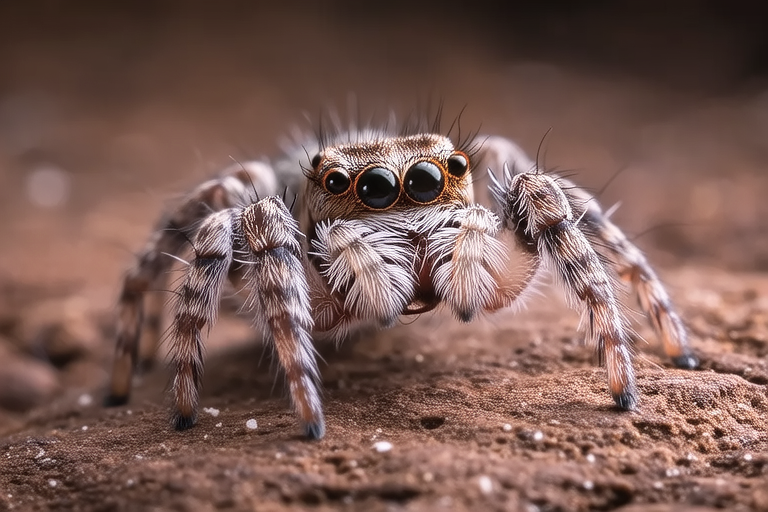
The Chilean Rose tarantula (Grammostola rosea) is a species of tarantula native to the deserts of South America, particularly in Chile, Argentina, and Peru. It is named for its distinctive pinkish-brown coloration, which gives it a rose-like hue. These tarantulas are medium-sized, with females growing up to 4.7 inches in leg span, while males are slightly smaller. Their bodies are covered in fine hairs, which they can release as a defense mechanism when threatened.
Native to the arid regions of South America, the Chilean Rose tarantula thrives in environments with dry, sandy soil. They are nocturnal creatures, spending their days in burrows and emerging at night to hunt. Their adaptability and hardiness have made them one of the most popular tarantulas kept as pets, especially for beginners.
Care Requirements
Housing
Setting up the right environment is crucial for the well-being of your Chilean Rose tarantula. A terrarium or a large glass tank with a secure lid is ideal. The enclosure should be spacious enough to allow the tarantula to move around comfortably. A substrate layer of coconut fiber, bark, or sand is recommended, as it mimics their natural habitat and helps maintain the appropriate humidity levels.
Temperature and Humidity
Maintaining the correct temperature and humidity levels is essential for the health of your tarantula. The ideal temperature range for a Chilean Rose tarantula is between 75°F and 85°F (24°C to 29°C). Humidity should be kept around 60%, which can be achieved by misting the enclosure occasionally and ensuring there is a water dish available. Avoid extremes, as they can stress the tarantula and lead to health issues.
Diet
The Chilean Rose tarantula is a carnivorous creature, feeding primarily on insects such as crickets, mealworms, and dubia roaches. Juvenile tarantulas require smaller prey items, while adults can handle larger insects. Feeding should be done once or twice a week, depending on the tarantula’s size and activity level. Ensure that any live food is dusted with calcium powder to provide necessary nutrients.
Handling
While tarantulas can be handled, it is important to approach them with caution. Always wash your hands before and after handling to prevent the transfer of oils or chemicals. Use a small, soft paintbrush or tweezers to gently coax the tarantula onto your hand. Never grab or squeeze the tarantula, as this can cause injury or stress.
Setting Up a Suitable Environment
Creating a suitable environment for your Chilean Rose tarantula involves more than just setting up a tank. Providing hiding spots such as cork bark or small caves will make your tarantula feel secure. These hiding spots should be placed at different levels within the enclosure to mimic their natural burrowing behavior. Additionally, ensure there is adequate ventilation to prevent condensation from forming on the walls of the tank.
Regular maintenance is key to maintaining a healthy environment for your tarantula. Clean the enclosure weekly, removing any uneaten food and replacing the substrate as needed. Monitor the temperature and humidity levels daily to ensure they remain within the recommended ranges. Regularly check for signs of illness, such as lethargy, loss of appetite, or abnormal behavior.
Common Myths and Misconceptions
Tarantulas have long been misunderstood, often associated with fear and misinformation. One common myth is that all tarantulas are highly venomous and dangerous. While tarantulas do possess venom, it is generally harmless to humans, causing only mild irritation similar to a bee sting. Another misconception is that tarantulas are aggressive and prone to attack. In reality, they are quite docile and prefer to avoid confrontation.
It is also believed that tarantulas cannot be kept together. While it is true that adult tarantulas should be housed individually due to territorial behavior, young tarantulas can be housed together until they reach maturity. However, close monitoring is necessary to prevent cannibalism.
Advice for Potential Owners
Considering a Chilean Rose tarantula as a pet requires careful thought and preparation. Owning a tarantula comes with significant responsibilities, including providing proper care, attention, and a suitable environment. It is essential to research thoroughly before making the commitment, ensuring you understand the specific needs of the species.
The rewards of keeping a Chilean Rose tarantula as a pet are numerous. Watching these fascinating creatures interact with their environment and observing their unique behaviors can be incredibly rewarding. They offer a peaceful and low-maintenance alternative to traditional pets, allowing owners to enjoy a connection with nature without the need for constant attention.
In conclusion, the Chilean Rose tarantula is a wonderful choice for arachnophiles looking for a unique and captivating pet. By understanding their care requirements and dispelling common myths, you can provide a healthy and happy home for your tarantula. With proper care and attention, owning a Chilean Rose tarantula can be a fulfilling and enjoyable experience for both new and experienced arachnophiles alike.
