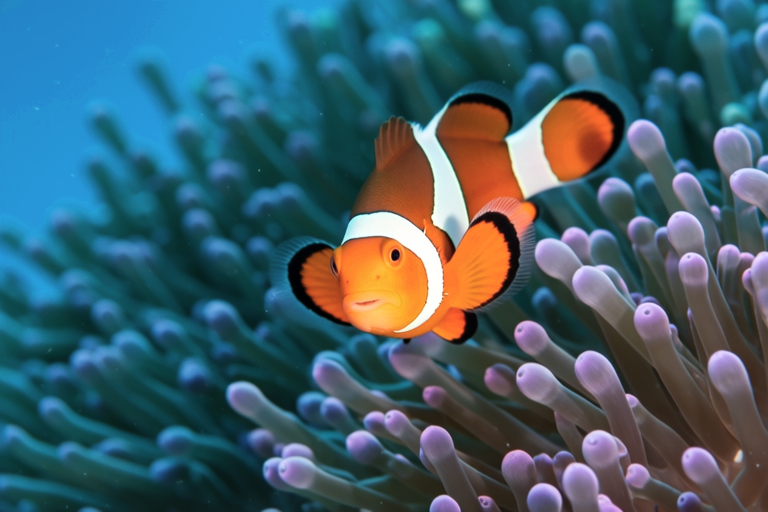
How to Care for Your Clownfish: A Beginner’s Guide
Welcome to the fascinating world of clownfish! These vibrant, colorful fish have captured the hearts of many aquarium enthusiasts with their striking appearance and playful nature. However, before you dive into the joy of keeping clownfish, it’s crucial to understand the basics of their care. This guide will walk you through everything you need to know to set up a healthy environment for your clownfish and keep them thriving.
Research and Preparation
Before bringing home your clownfish, take some time to research and prepare. Understanding the specific needs of these fish will ensure they thrive in your aquarium. Clownfish come from diverse environments, so it’s important to choose species that match your aquarium conditions. Popular choices include the Amphiprion clarkii and Amphiprion ocellaris. Once you’ve decided which type of clownfish you want, gather all necessary equipment and supplies. Remember, clownfish require a well-maintained tank with appropriate water conditions, so invest in quality filtration systems, heaters, and testing kits.
Habitat Setup
Clownfish thrive in reef tanks with live rock, providing both shelter and food. Ensure your tank has plenty of hiding spots, such as caves and crevices, and consider adding an anemone if you’re interested in seeing natural behaviors. Clownfish form symbiotic relationships with certain anemones, offering protection while feeding off leftovers. While anemones can be challenging to maintain, they add a unique touch to your aquarium. Additionally, incorporate plants and decorations to create a stimulating environment for your clownfish.
Water Parameters
Clownfish are sensitive to changes in water chemistry, so maintaining stable conditions is crucial. Aim for a pH level between 8.1 and 8.4, specific gravity of 1.020 to 1.025, and temperature range of 76°F to 82°F (24°C to 28°C). Regularly test the water using reliable testing kits and adjust parameters as needed. Performing weekly water changes of 10-20% helps remove toxins and replenish essential minerals.
Diet
Clownfish are omnivorous, meaning they eat both plant and animal matter. Feed them a balanced diet consisting of high-quality flake or pellet food designed for marine fish. Supplement their diet with occasional treats like frozen brine shrimp, mysis shrimp, and algae wafers. Avoid overfeeding, as excess food can pollute the tank and harm your fish. Offer small portions twice daily, ensuring all food is consumed within a few minutes.
Tank Mates
Selecting compatible tank mates is vital for maintaining a peaceful and harmonious aquarium. Clownfish are generally peaceful and can coexist with other non-aggressive fish. Suitable companions include damselfish, gobies, and blennies. However, avoid housing clownfish with aggressive or territorial species, as they may bully or harass your clownfish. Always research potential tank mates to ensure compatibility.
Common Health Issues
Clownfish are generally hardy but can suffer from various health issues if not cared for properly. Common problems include ich, fin rot, and parasitic infections. Early detection and treatment are key to preventing more serious complications. Regularly inspect your clownfish for signs of distress, such as lethargy, loss of appetite, or abnormal behavior. Consult with a veterinarian specializing in aquatic animals if you notice any concerning symptoms.
Maintaining a Healthy Environment
Creating a healthy environment for your clownfish requires consistent effort and attention. Perform regular maintenance tasks, including water changes, cleaning filters, and checking equipment. Monitor water parameters closely and address any issues promptly. Provide adequate space and enrichment to prevent stress and promote overall well-being. Encourage natural behaviors by mimicking their wild habitats as closely as possible.
Encouraging Natural Behaviors
Clownfish exhibit fascinating behaviors in the wild, such as forming symbiotic relationships with anemones and engaging in elaborate mating rituals. To encourage these behaviors in captivity, provide ample hiding spots and consider adding an anemone to your tank. Observe your clownfish regularly to witness their interactions and learn more about their unique personalities.
Dispelling Misconceptions
Many misconceptions surround clownfish care, leading to improper husbandry practices. One common myth is that clownfish require anemones to survive. While anemones enhance their natural behaviors, they are not essential for clownfish survival. Another misconception is that clownfish can adapt to freshwater tanks. In reality, clownfish are strictly saltwater fish and cannot survive in freshwater environments. Educate yourself about these myths to ensure you provide the best care for your clownfish.
Conclusion
Caring for clownfish can be a rewarding and enjoyable experience when done correctly. By understanding their specific needs and creating a suitable environment, you can help your clownfish thrive. Remember, preparation and ongoing care are key to maintaining a healthy and happy aquarium. Take the time to research, ask questions, and seek guidance from experienced aquarists or professionals. With dedication and effort, you’ll be well on your way to becoming a successful clownfish keeper.
