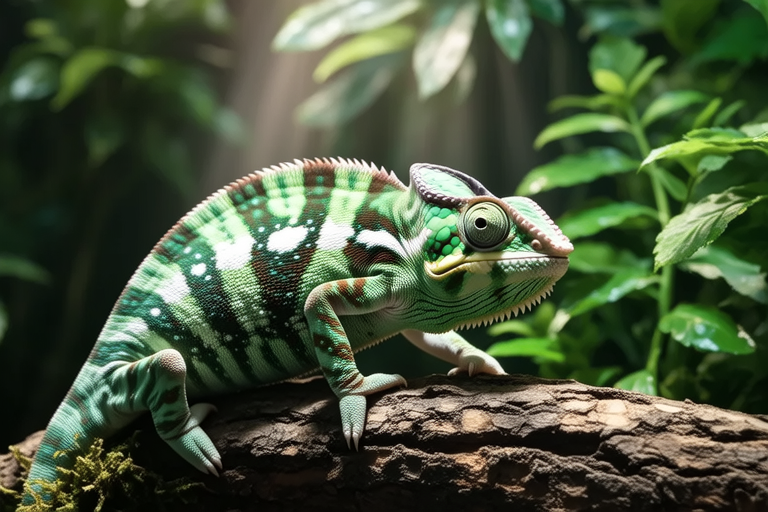
The Ultimate Chameleon Care Sheet: Tips from Expert Owners
Welcome to the world of chameleon ownership! These fascinating creatures are known for their unique ability to change color, but they also have specific needs that must be met to ensure they thrive. This comprehensive guide, packed with expert advice, will help you create the perfect environment for your chameleon and provide valuable insights into their care.
1. Habitat Setup
Setting up the right habitat is crucial for your chameleon’s health and happiness. The enclosure should mimic their natural environment as closely as possible.
Enclosure Size
Adequate space is key. A juvenile chameleon can start in a 20-gallon tank, but as they grow, they’ll need more room. Adult chameleons require enclosures at least 4 feet long, 2 feet wide, and 4 feet tall. This vertical space allows them to climb and explore.
Lighting
Your chameleon needs UVB lighting to synthesize vitamin D3, which aids calcium absorption. Install a high-quality UVB bulb, replacing it every six months, and position it so your chameleon can bask within 6 to 12 inches. Full-spectrum fluorescent bulbs or mercury vapor bulbs are recommended. Additionally, provide a basking spot with a temperature between 90 and 100 degrees Fahrenheit.
Substrate and Plants
Chameleons don’t need substrate; instead, opt for a smooth surface like paper towels or reptile carpet. This prevents ingestion and respiratory issues. Fill the enclosure with live plants for climbing and hiding. Ficus benjamina (fiddle leaf fig) and pothos are popular choices. Ensure all plants are non-toxic and pesticide-free.
Humidity and Temperature
Maintain humidity levels between 40% and 70%. Use misters or humidifiers to achieve this. Temperature should range from 75 to 85 degrees Fahrenheit during the day, dropping to 65 to 75 degrees at night. Equip your enclosure with a thermometer and hygrometer to monitor these conditions accurately.
2. Diet and Nutrition
Feeding your chameleon a balanced diet is essential for its health and longevity. Here’s what you need to know about feeding:
Types of Food
Chameleons are insectivores, meaning they primarily eat insects. Offer a variety of feeder insects, including crickets, dubia roaches, silkworms, and hornworms. Dust these insects with a calcium supplement daily and a multivitamin once or twice a week.
Feeding Frequency
Feed juveniles daily, offering as many insects as they can consume in 10 minutes. Adults should be fed every other day, with smaller portions. Always remove uneaten insects after each feeding session to prevent stress or injury to your chameleon.
Water
Provide fresh water daily through misting and a drip system. Chameleons drink droplets from leaves, so ensure their enclosure remains moist enough for this behavior. You can also offer a shallow water dish, but many chameleons prefer to drink from the air.
3. Health Care
Regular health checks and prompt action when problems arise are vital for your chameleon’s well-being.
Veterinary Care
Choose a veterinarian experienced with exotic pets. Schedule annual check-ups and bring your chameleon for immediate attention if you notice any unusual symptoms, such as lethargy, loss of appetite, or changes in color or skin texture.
Common Health Issues
Metabolic bone disease (MBD) is a significant concern for chameleons due to improper calcium and vitamin D3 intake. Signs include weak limbs, swollen limbs, and difficulty climbing. Another common issue is infectious stomatitis (mouth rot), characterized by swelling, redness, and pus around the mouth. Both conditions require immediate veterinary intervention.
4. Common Mistakes to Avoid
Even experienced chameleon owners can make mistakes. Here are some common errors to steer clear of:
Inadequate Lighting
Failure to provide sufficient UVB light can lead to metabolic bone disease. Ensure your chameleon has access to proper lighting for at least 10 to 12 hours daily.
Improper Humidity Levels
Too little humidity can cause dehydration and respiratory issues, while too much can lead to mold growth and bacterial infections. Strive for the optimal range mentioned earlier.
Overfeeding
Feeding your chameleon too many insects can lead to obesity and related health problems. Stick to the recommended feeding schedule and portion sizes.
5. Tips for Bonding with Your Chameleon
Building a bond with your chameleon takes time and patience. Here are some tips to help you connect:
Handling
Handle your chameleon gently and infrequently, as excessive handling can cause stress. When you do handle them, support their body fully and avoid squeezing or restraining them. Let them get used to your presence before attempting to hold them.
Observation
Spend time observing your chameleon in its enclosure. Watch how it interacts with its environment and note any changes in behavior. This will help you understand its preferences and needs better.
Consistency
Establish a routine for feeding, cleaning, and handling. Consistency helps your chameleon feel secure and reduces stress.
Conclusion
Owning a chameleon is a rewarding experience that comes with great responsibility. By following the guidelines provided in this care sheet, you can ensure your chameleon lives a healthy and happy life. Remember, every chameleon is unique, so pay close attention to your pet’s individual needs and adjust your care accordingly. With dedication and love, you’ll form a strong bond with your fascinating companion.
