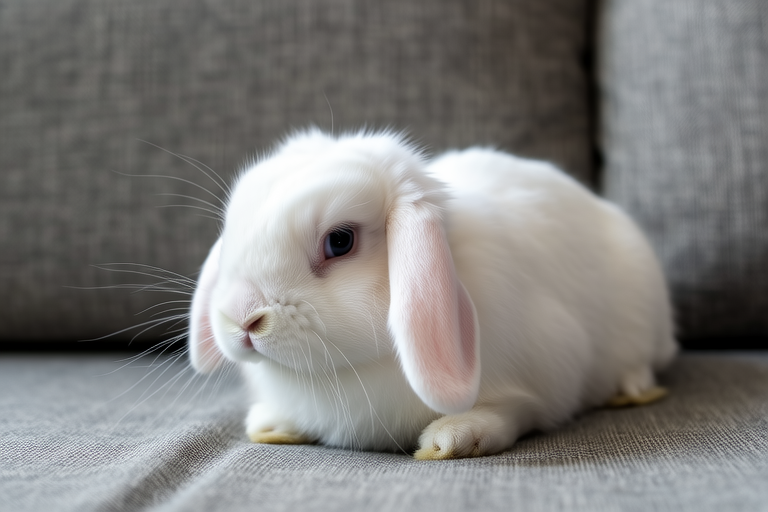
Adorable and Compact: All About Dutch Dwarf Rabbits as Pets
Dutch Dwarf rabbits have captured the hearts of many pet enthusiasts with their charming personalities and diminutive size. These petite creatures, known for their distinct color patterns and gentle demeanor, have become increasingly popular among rabbit lovers. This article will explore the various aspects of owning a Dutch Dwarf rabbit, from understanding their unique appearance and dietary needs to providing the right environment and care.
The Popularity and Unique Characteristics of Dutch Dwarf Rabbits
Dutch Dwarfs are one of the smallest breeds of domestic rabbits, weighing between 1.8 to 2.3 kilograms (4 to 5 pounds). Their popularity stems from their manageable size, which makes them ideal for apartment living, and their engaging personalities that bring joy to their owners. They are known for their intelligence and responsiveness, making them perfect companions for families and individuals alike. Dutch Dwarfs come in a variety of colors and patterns, including black, blue, chocolate, and white, often featuring a distinctive white blaze on their faces.
Appearance
These rabbits have short, dense coats that require minimal grooming. Their ears are relatively large compared to their small bodies, giving them an alert and attentive look. The breed standard includes a broad head, round cheeks, and a well-defined stop. Their eyes are typically dark and expressive, adding to their overall appeal. Dutch Dwarfs are compact and sturdy, with a well-rounded body that gives them a robust yet delicate appearance.
Temperament
Dutch Dwarfs are generally friendly and docile, making them excellent pets for children and adults alike. They are social animals and enjoy interaction with their human companions. However, like all rabbits, they can be timid and may need time to adjust to new environments and people. Providing them with a safe space where they can feel secure is essential for building trust. Once comfortable, they can become quite playful and even develop a preference for certain family members.
Dietary Needs
A proper diet is crucial for the health and longevity of your Dutch Dwarf rabbit. Their diet should primarily consist of hay, which aids in digestion and dental health. Fresh vegetables, such as leafy greens, carrots, and bell peppers, can be offered in moderation. It’s important to introduce new foods gradually to avoid digestive upset. Pellets formulated specifically for rabbits should be provided in limited quantities to prevent obesity. Always ensure access to fresh water, as dehydration can lead to serious health problems.
Exercise Requirements
Despite their small size, Dutch Dwarfs need regular exercise to maintain their physical and mental well-being. A spacious indoor play area or a safe outdoor enclosure allows them to hop, explore, and burn off energy. Supervised playtime outside their cage is recommended daily, but always ensure the area is free from hazards, such as toxic plants or small objects that could be swallowed. Regular exercise helps prevent behavioral issues and promotes a healthy weight.
Grooming Tips
Due to their short fur, Dutch Dwarfs require minimal grooming. Weekly brushing with a soft brush can help remove loose hair and prevent matting. During shedding seasons, more frequent brushing may be necessary. Bathing is generally not required unless absolutely necessary, as it can stress the rabbit and disrupt its natural oils. Trimming nails every few weeks is also important to prevent overgrowth and discomfort. Regular grooming sessions provide an opportunity to bond with your rabbit and check for any signs of skin issues or parasites.
Common Health Issues
Like other small mammals, Dutch Dwarfs are prone to certain health conditions. Dental problems, such as malocclusion, can occur if teeth grow improperly. Regular dental check-ups by a veterinarian experienced in rabbit care can help address these issues early. Gastrointestinal stasis, a condition where food moves too slowly through the digestive tract, can be prevented by maintaining a high-fiber diet and providing plenty of exercise. Other common ailments include respiratory infections and ear mites, which can be treated with appropriate medication under veterinary guidance.
Housing and Equipment
Proper housing is vital for the well-being of your Dutch Dwarf rabbit. A spacious cage with ample ventilation and a solid floor is essential to prevent joint problems. The cage should be at least twice the length of the rabbit when stretched out. Adding soft bedding, such as straw or paper-based litter, provides comfort and warmth. Include hiding spots, tunnels, and chew toys to stimulate mental and physical activity. A litter box trained inside the cage can help keep the living area clean. Additionally, a sturdy exercise pen or play area allows for supervised outdoor play.
Reasons Why Dutch Dwarf Rabbits Make Excellent Companions
Dutch Dwarf rabbits are delightful companions due to their affectionate nature and manageable size. Their adaptability makes them suitable for various living situations, from apartments to larger homes. With proper care and attention, these rabbits can live up to ten years, providing long-lasting companionship. Their intelligence and social nature mean they can form strong bonds with their owners, offering endless entertainment and companionship. Whether you’re looking for a quiet friend or an active playmate, Dutch Dwarfs offer both charm and companionship, making them an excellent choice for families or individuals seeking a compact, affectionate pet.
