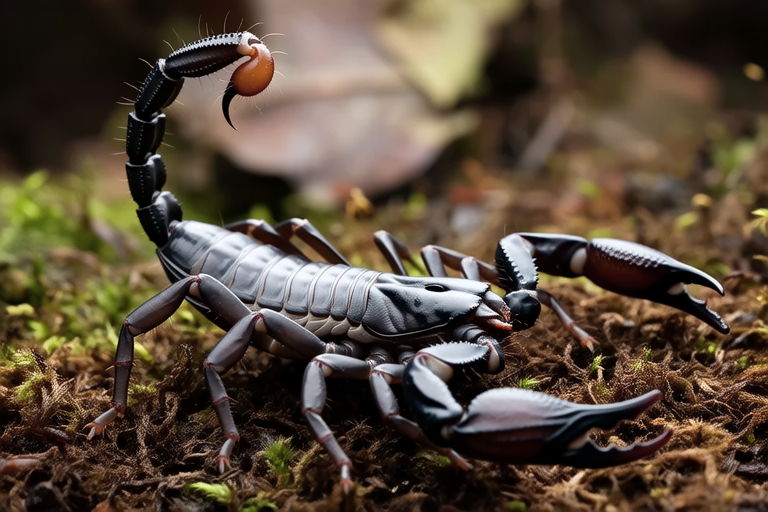
Heterometrus Spinifer: An In-depth Guide
Heterometrus spinifer, commonly known as the Asian Forest Scorpion, is a fascinating and unique arachnid. This species is distinguished by its robust body, which can grow up to 8 inches long. The scorpion’s tail, or metasoma, is equipped with a large venomous stinger that is used primarily for defense. Its carapace is adorned with a series of spines, giving it its specific name “spinifer,” meaning ‘spiny’ in Latin. These spines serve as a deterrent against predators and aid in climbing. The coloration of Heterometrus spinifer ranges from dark brown to black, providing excellent camouflage in its natural habitat.
Native Habitat and Dietary Needs
Native to Southeast Asia, specifically Thailand, Malaysia, and Indonesia, Heterometrus spinifer thrives in dense forests and humid environments. It prefers areas with plenty of hiding spots, such as under logs, rocks, and in crevices. In the wild, these scorpions are nocturnal hunters, feeding primarily on insects, spiders, and small vertebrates. As pets, they require a diet consisting of appropriately sized crickets, mealworms, and dubia roaches. It is essential to provide a varied diet to ensure optimal nutrition and health. Feed your Heterometrus spinifer every two to three days, depending on its size and activity level.
Legalities and Ethical Considerations
Owning Heterometrus spinifer as a pet may be subject to local laws and regulations regarding exotic animals. Before acquiring one, it is crucial to research and comply with any necessary permits or licenses. Ethically, responsible ownership includes providing a suitable environment that mimics their natural habitat, ensuring their well-being, and avoiding overpopulation. Overbreeding can lead to genetic defects and reduced quality of life for these animals. Always consider the long-term commitment required when taking on an exotic pet.
Suitable Housing Conditions
Proper housing is vital for the health and happiness of Heterometrus spinifer. A terrarium measuring at least 18 inches long, 12 inches wide, and 12 inches high is recommended for a single adult. The substrate should be a mix of coconut fiber and sphagnum moss, providing a moist environment that retains humidity levels between 70% and 90%. Include various hiding spots, such as cork bark, half logs, and rock formations, to mimic their natural habitat. A shallow water dish should also be provided to allow the scorpion to drink and maintain hydration. Temperature-wise, the terrarium should be maintained at approximately 75°F to 85°F during the day, with a slight drop at night to around 70°F.
Handling and Care
Handling Heterometrus spinifer requires caution due to its potent venom. Always wear thick gloves and use tongs when handling the scorpion to avoid accidental stings. Regularly inspect the terrarium for cleanliness and check the water dish daily. Clean the enclosure thoroughly every two weeks, replacing the substrate and disinfecting all surfaces. Ensure no harmful chemicals are used during cleaning to prevent poisoning the scorpion. Handling should be kept to a minimum to reduce stress and potential injury.
Potential Health Issues and Treatments
Common health issues include mites, dehydration, and improper shedding. Mites can be treated with a miticide specifically designed for reptiles and amphibians. Dehydration can be prevented by maintaining appropriate humidity levels and providing a water dish. Improper shedding may occur if the environment is too dry; increasing humidity can help prevent this issue. In severe cases, consult a veterinarian specializing in exotic animals for further treatment options. Regular health checks and a balanced diet will contribute to the overall well-being of your scorpion.
Unique Behaviors and Interactions
Heterometrus spinifer exhibits fascinating behaviors, such as molting, where they shed their exoskeleton to grow. During this process, they become more vulnerable and should not be handled. Another interesting behavior is their ability to communicate through vibrations, often used to signal distress or attract mates. While they are not social creatures, observing their natural behaviors can be rewarding. Providing enrichment through varied substrates and hiding spots can encourage exploration and stimulate mental and physical activity.
Responsible Acquisition and Ongoing Education
When acquiring a Heterometrus spinifer, it is essential to purchase from reputable breeders who prioritize the welfare of their animals. Avoid purchasing from unregulated sources, as this can contribute to illegal trade and exploitation. For ongoing education, join local exotic pet clubs or online forums dedicated to scorpion care. Books and articles on exotic animal husbandry can also provide valuable information. Always stay informed about the latest care practices and advancements in veterinary medicine to ensure your scorpion receives the best possible care.
In conclusion, Heterometrus spinifer is a captivating and unique pet that requires careful consideration before acquisition. By understanding its physical characteristics, native habitat, dietary needs, and legal requirements, you can provide a suitable environment for this exotic arachnid. Proper handling, care, and regular health checks will ensure a long and healthy life for your Heterometrus spinifer. With dedication and education, owning one of these fascinating creatures can be a rewarding and enriching experience.
