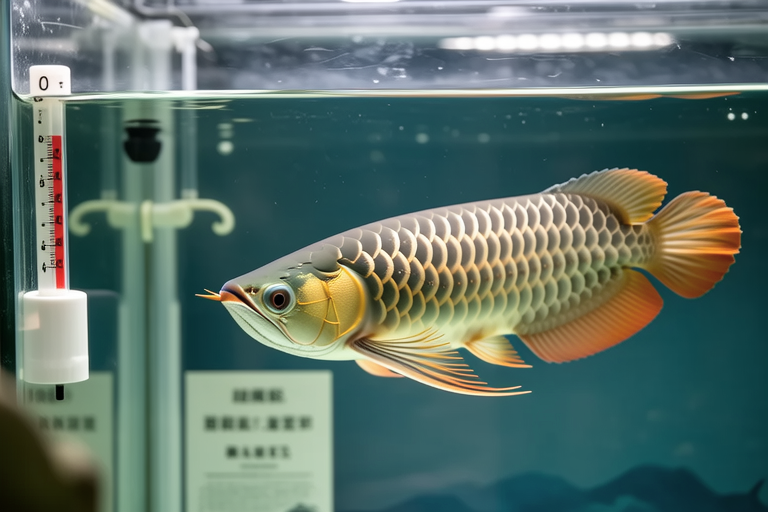
The Ultimate Arowana Owner’s Checklist for a Thriving Pet
As a dedicated owner of arowanas, you are embarking on a rewarding journey that requires commitment and knowledge. These magnificent fish are not only beautiful but also have specific needs that must be met to ensure their health and happiness. This comprehensive guide will cover everything from setting up the perfect aquarium to monitoring your pet’s health and providing environmental enrichment.
Aquarium Setup: The Foundation of Your Arowana’s Home
Creating the ideal living space for your arowana is crucial. Arowanas are large, active fish that require ample swimming room and vertical space to thrive. Here are some key points to consider when setting up their tank:
- Tank Size: Ensure your tank is at least 300 gallons for one adult arowana. Larger tanks provide more stability in water quality and temperature.
- Filtration System: Invest in a high-quality filtration system capable of handling the bioload of these fish. Consider a combination of mechanical, biological, and chemical filtration.
- Water Parameters: Maintain a pH level between 6.5 and 7.5, hardness around 5 to 15 dGH, and a temperature range of 78 to 84°F (25.5 to 29°C).
- Decorations: Use smooth rocks and driftwood to create hiding spots and enrich the environment. Avoid sharp or abrasive objects that could injure your fish.
- Lighting: Install full-spectrum lighting to mimic natural daylight cycles, promoting healthy coloration and behavior.
Water Parameters: Maintaining Optimal Conditions
Consistent water quality is vital for the health of your arowana. Regular testing and maintenance are necessary to prevent issues such as ammonia spikes, nitrite levels, and pH fluctuations.
- Weekly Water Changes: Perform partial water changes of about 20% weekly to keep toxins at bay.
- Testing Kits: Use reliable test kits to monitor ammonia, nitrite, nitrate, pH, and hardness levels regularly.
- Water Conditioners: Utilize conditioners to neutralize chlorine, chloramine, and heavy metals.
- Biological Filtration: Encourage beneficial bacteria growth by maintaining a stable environment.
Feeding Guidelines: Nourishing Your Arowana
Proper nutrition is essential for the growth and vitality of your arowana. They are carnivorous and require a balanced diet rich in protein.
- Variety: Offer a diverse menu including live foods like feeder fish, shrimp, and insects, as well as frozen or freeze-dried options.
- Frequency: Feed your arowana 2-3 times a week, providing enough food for them to consume within a few minutes.
- Portion Control: Overfeeding can lead to obesity and poor water quality. Monitor their eating habits and adjust portions accordingly.
- Nutritional Supplements: Consider adding vitamin supplements to their diet if they primarily eat prepared foods.
Health Monitoring: Keeping an Eye on Your Arowana’s Well-being
Regular observation and proactive care are key to preventing and addressing health issues. Here’s how to monitor your arowana effectively:
- Behavioral Signs: Watch for changes in activity level, appetite, and swimming patterns. Lethargy, refusal to eat, or erratic movements may indicate illness.
- Physical Examination: Check for any signs of injury, lesions, or abnormal growths. Healthy scales should lie flat against the body without protrusions.
- Disease Prevention: Quarantine new additions to the tank to avoid introducing pathogens. Keep the tank clean and maintain proper water parameters.
- Veterinary Care: Consult with an aquatic veterinarian if you suspect your arowana is unwell. Early intervention can make all the difference.
Environmental Enrichment: Enhancing Your Arowana’s Quality of Life
To keep your arowana mentally stimulated and physically active, it’s important to offer various forms of enrichment. Here are some ideas:
- Structural Elements: Introduce floating logs, caves, and other structures to create varied habitats within the tank.
- Interactive Toys: Consider toys designed for fish that encourage exploration and play.
- Visual Stimulation: Place mirrors outside the tank or install video screens to simulate natural environments.
- Social Interaction: If housing multiple arowanas, ensure they have sufficient space and adequate social dynamics.
Maintaining Optimal Conditions: Long-Term Care Tips
Consistency is key when caring for arowanas over the long term. Follow these additional tips to maintain optimal conditions:
- Regular Maintenance: Clean filters, vacuum substrate, and check equipment regularly.
- Temperature Control: Use heaters and coolers to maintain a stable temperature throughout the year.
- Water Chemistry: Adjust water chemistry gradually to avoid shocking your fish.
- Community Compatibility: Be cautious when introducing other species to the tank. Some may compete for resources or pose threats.
Conclusion
Owning an arowana is a privilege that comes with significant responsibilities. By following this checklist, you can provide your pet with a thriving environment and ensure its long-term well-being. Remember, the relationship between you and your arowana is built on trust, respect, and care. With dedication and attention to detail, you will enjoy many years of companionship with these majestic creatures.
