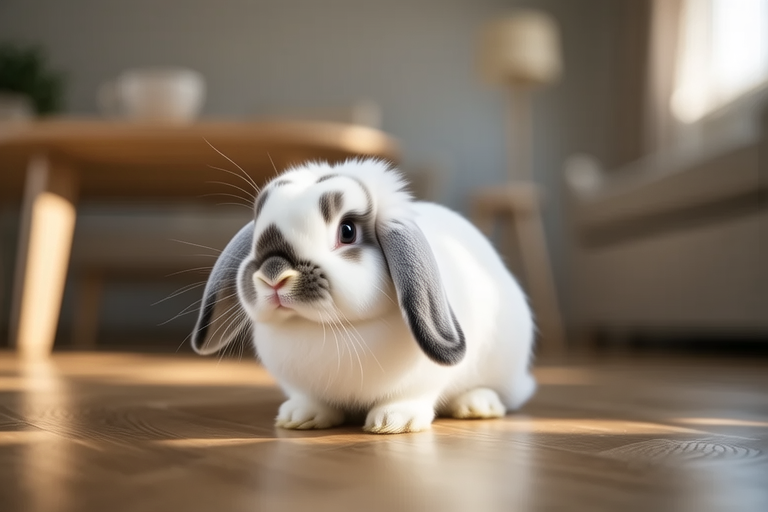
Adorable and Gentle: Why You Need a Lop Rabbit at Home
Welcome to the delightful world of lop rabbits! These charming creatures have captured the hearts of many pet owners with their unique appearance and gentle demeanor. With their distinctive floppy ears and affectionate nature, lop rabbits make wonderful companions for families and individuals alike. This article will delve into the reasons why you might consider bringing a lop rabbit into your home, covering everything from their suitability as pets to their care requirements.
Introduction to Lop Rabbits
Lop rabbits are a popular breed known for their large, floppy ears that hang down on either side of their head. These ears can be a source of fascination for many, but they also serve practical purposes such as helping the rabbit regulate its body temperature. There are several different types of lop rabbits, including English Lops, French Lops, and Dwarf Lops, each with its own set of characteristics and sizes. The most common variety is the English Lop, which is recognized for its impressive ear length that can reach up to 20 inches (50 cm).
Besides their distinctive ears, lop rabbits are celebrated for their calm and gentle personalities. They tend to be docile and patient, making them ideal for households with children or other pets. Unlike some rabbit breeds that may exhibit skittishness or aggression, lop rabbits are usually more laid-back and approachable. Their temperament makes them perfect for those looking for a companion animal that is both loving and easygoing.
The Gentle Nature of Lop Rabbits
Lop rabbits are often described as having a laid-back and gentle disposition, which contributes significantly to their appeal as pets. These rabbits are generally calm and relaxed, rarely showing signs of stress or agitation. They enjoy being handled gently and are typically patient with people, even if they are approached suddenly. This calm demeanor makes them particularly suitable for families with young children who may not always handle animals with the utmost care.
Moreover, lop rabbits are known for their sociability. They thrive in environments where they can interact with humans and other animals. Many lop rabbits enjoy being petted and cuddled, and they often seek out human companionship. Their affectionate nature extends beyond just humans; they can also get along well with other pets like cats and dogs, provided there is proper introduction and supervision. This social aspect of lop rabbits makes them excellent additions to homes where multiple pets coexist peacefully.
Suitability as Pets
Lop rabbits are highly adaptable and can fit into various living situations, making them a versatile choice for potential pet owners. Whether you live in an apartment or a house with a yard, these rabbits can adjust to different environments. However, it’s important to provide them with adequate space to move around and express themselves. A spacious cage or hutch is essential for their physical and mental well-being.
One of the key factors to consider when deciding whether a lop rabbit is right for you is the amount of time and attention you can dedicate to them. While lop rabbits are generally independent, they still require regular interaction and stimulation. Daily playtime, grooming sessions, and opportunities for exercise are crucial for keeping your lop rabbit happy and healthy. Providing toys and tunnels for them to explore can help satisfy their natural curiosity and prevent boredom.
Another important consideration is the commitment required for long-term care. Lop rabbits have an average lifespan of 8 to 12 years, so adopting one means committing to providing care for a significant period. This includes regular veterinary check-ups, proper nutrition, and attention to their overall health. By understanding the responsibilities involved, you can ensure that you’re prepared to offer a lop rabbit the best possible life.
Care Requirements
Proper care is essential for maintaining the health and happiness of your lop rabbit. One of the first steps in caring for a lop rabbit is ensuring that they have a safe and comfortable living environment. A spacious cage or hutch provides them with a secure place to rest and sleep. It’s important to choose a cage that is appropriate for the size of your rabbit and offers enough room for movement. Additionally, the cage should be equipped with bedding material such as hay or straw to keep the floor soft and comfortable.
Diet plays a crucial role in the health of your lop rabbit. A balanced diet primarily consists of hay, fresh vegetables, and a limited amount of pellets. Hay should make up the majority of their diet, as it aids in digestion and keeps their teeth healthy. Fresh vegetables, such as leafy greens and carrots, provide essential nutrients and variety. It’s important to introduce new foods gradually to avoid digestive upset. Pellets should be given in moderation, as excessive consumption can lead to weight gain.
Grooming is another important aspect of lop rabbit care. Regular brushing helps remove loose fur and prevents matting, especially during shedding seasons. Pay special attention to their ears, as they can accumulate dirt and debris. Cleaning their ears gently with a damp cloth is recommended. Additionally, it’s essential to trim their nails regularly to prevent overgrowth and discomfort. Consult with a veterinarian for guidance on nail trimming techniques.
Training and Socialization
Training your lop rabbit can enhance your bond and make daily interactions more enjoyable. Basic training techniques include teaching your rabbit to come when called and using treats as positive reinforcement. Clicker training is a popular method that involves associating a click sound with a reward, encouraging desired behaviors. Consistency and patience are key when training your rabbit, as they respond better to gentle and repetitive instructions.
Socialization is equally important for the development of a well-adjusted lop rabbit. Introducing your rabbit to different environments and people helps build their confidence and reduces anxiety. Gradual exposure to new experiences can prevent fear-based reactions. Encourage gentle handling and positive interactions to foster trust between you and your rabbit. Socializing your rabbit with other pets can also promote harmony within the household, but it’s crucial to supervise initial meetings to ensure safety.
Health Considerations
Maintaining the health of your lop rabbit requires regular veterinary care and vigilance. Scheduling routine check-ups with a veterinarian experienced in rabbit care is essential for early detection of any health issues. Common conditions that lop rabbits may face include dental problems, respiratory infections, and gastrointestinal issues. Signs of illness can include changes in appetite, lethargy, or abnormal droppings. Early intervention is critical for effective treatment and recovery.
Vaccinations are an important part of preventive care for lop rabbits. While rabbits do not require the same vaccines as dogs or cats, certain vaccinations can protect against diseases such as myxomatosis and rabbit hemorrhagic disease. Discuss vaccination options with your veterinarian to determine the best course of action based on your rabbit’s lifestyle and risk factors. Additionally, maintaining a clean living environment and providing a balanced diet contribute to overall health and longevity.
Conclusion
In conclusion, lop rabbits are truly adorable and gentle companions that bring joy and comfort to many homes. Their distinctive floppy ears and calm demeanor make them stand out as ideal pets for families and individuals seeking a loving and low-maintenance companion. By understanding their care requirements, social needs, and health considerations, you can ensure that your lop rabbit leads a happy and fulfilling life. Adopting a lop rabbit is not just about adding a cute pet to your family; it’s about creating a meaningful connection that enriches both your lives.
