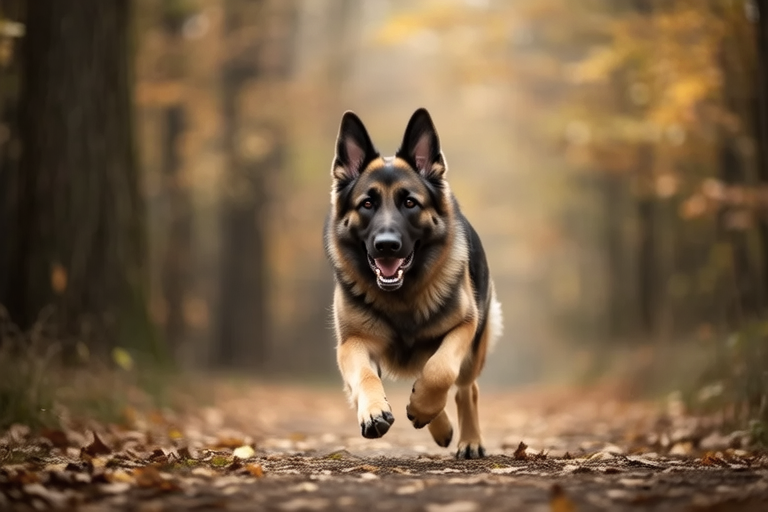
Ultimate Guide to Keeping Your German Shepherd Healthy and Active
Welcome to the ultimate guide to keeping your German Shepherd healthy and active. German Shepherds are known for their loyalty, intelligence, and strength, but maintaining their well-being requires dedication and knowledge. This comprehensive guide covers everything from diet and exercise to grooming and mental stimulation, ensuring you’re equipped with all the tools needed to keep your German Shepherd thriving.
Dietary Needs
A balanced diet is crucial for your German Shepherd’s overall health. These dogs require high-quality protein sources such as chicken, beef, or fish to maintain muscle mass and energy levels. Carbohydrates like brown rice or sweet potatoes provide necessary calories, while fats such as omega-3 fatty acids found in fish oil promote skin and coat health. Vitamins and minerals are essential too; consult your vet about supplements if your dog’s food lacks them.
Portion control is important. Overfeeding can lead to obesity, which increases the risk of joint problems and other diseases. A general rule is feeding 2-3 cups of dry food daily divided into two meals. Adjust according to your dog’s activity level and weight.
Exercise Routines
German Shepherds are energetic dogs that need regular physical activity to stay healthy. They enjoy activities like running, hiking, and playing fetch. Aim for at least 90 minutes of moderate exercise per day. This helps prevent behavioral issues caused by pent-up energy.
Incorporate both aerobic and strength exercises into their routine. Swimming is excellent for building muscles without putting strain on joints. Agility training not only provides exercise but also stimulates their minds.
Grooming Tips
Regular grooming keeps your German Shepherd looking good and feeling comfortable. Brush their thick double coat weekly to remove loose hair and prevent matting. Bathe them every 4-6 weeks using a mild shampoo suitable for dogs.
Check ears weekly for signs of infection or wax buildup. Clean them gently with a cotton ball and ear-cleaning solution recommended by your vet. Trim nails monthly or whenever they touch the ground when walking. Dental hygiene is vital; brush teeth regularly using dog-specific toothpaste.
Common Health Issues
Like all breeds, German Shepherds face certain health challenges. Hip dysplasia is common due to their large size. Early signs include limping or difficulty standing after rest. Regular vet checkups can catch this early.
Bloat, also known as gastric torsion, occurs when gas builds up in the stomach causing it to twist. Symptoms include drooling, pacing, and distress. Immediate veterinary attention is critical. Prevent bloat by feeding smaller meals more frequently and avoiding exercise right after eating.
Mental Stimulation Activities
German Shepherds are intelligent and thrive on mental challenges. Puzzle toys that dispense treats encourage problem-solving skills. Teach new tricks or commands to keep their minds sharp. Rotate toys periodically to maintain interest.
Interactive games like hide-and-seek or scent work mimic natural behaviors. For example, hide treats around the house and let your dog find them. This satisfies their hunting instincts and provides valuable bonding time.
Training Techniques
Positive reinforcement is key in training German Shepherds. Reward desired behaviors with treats, praise, or playtime. Consistency is crucial; use the same commands and rewards consistently.
Begin basic obedience training early. Commands like ‘sit,’ ‘stay,’ ‘come,’ and ‘leave it’ form the foundation. Advanced training can include agility courses, search and rescue, or therapy work. Training sessions should be short (5-10 minutes) and frequent to maintain focus.
Selecting Appropriate Toys and Accessories
Choose durable toys made from materials like rubber or nylon. Avoid small parts that could be swallowed. Balls, tug ropes, and puzzle feeders are popular choices. Rotate toys occasionally to keep things interesting.
Accessories like harnesses, leashes, and collars should fit comfortably and securely. Reflective gear enhances visibility during nighttime walks. Consider a crate for your dog’s safety and comfort, especially if you travel frequently.
The Importance of Regular Veterinary Care
Schedule annual checkups even if your dog seems healthy. Vaccinations protect against diseases like rabies and distemper. Parasite prevention involves regular treatments for fleas, ticks, and heartworms.
Early detection of potential health issues through routine screenings can save lives and money. Discuss spaying or neutering with your vet. This procedure has benefits beyond preventing unwanted litters, including reducing risks of certain cancers.
Actionable Tips and Real-Life Examples
Implement these strategies today:
- Establish a feeding schedule and stick to it.
- Plan outdoor adventures with your dog; try a new park or trail each week.
- Make grooming part of your routine, setting aside specific times for brushing and bathing.
- Introduce new mental stimulation activities gradually, observing how your dog responds.
- Use consistent commands and positive reinforcement during training sessions.
- Rotate toys and accessories regularly to keep your dog engaged.
Real-life example: Sarah noticed her German Shepherd, Max, becoming less active and more lethargic. After consulting her vet, she adjusted Max’s diet and increased his exercise. Max now enjoys daily walks and swimming, regaining his playful spirit.
By following this guide, you’ll ensure your German Shepherd remains healthy, happy, and active throughout its life. Remember, every dog is unique, so tailor these suggestions based on your pet’s individual needs. Stay informed, seek professional advice when needed, and enjoy the rewarding bond with your loyal companion.
