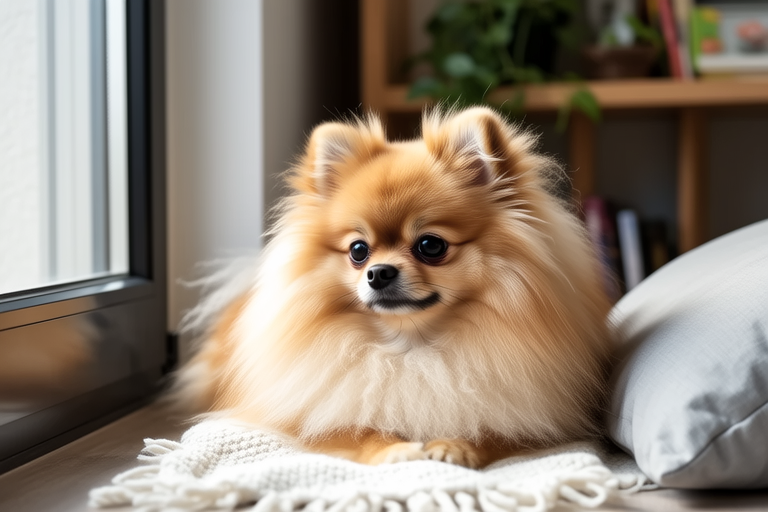
Pomeranians: Ideal Apartment Companions
Pomeranians are a popular breed known for their charming appearance and lively demeanor. Their compact size, moderate energy levels, and adaptable nature make them excellent candidates for apartment living. This article explores the characteristics of Pomeranians, focusing on why they are ideal for apartment living. It covers their size, energy levels, grooming needs, compatibility with small spaces, temperament, training requirements, interaction with other pets and children, tips for first-time dog owners, common health issues, and advice on ensuring a happy, healthy life for a Pomeranian in an apartment setting.
Size and Energy Levels
Pomeranians are small dogs, typically weighing between 3 and 7 pounds and standing about 6 to 7 inches tall at the shoulder. Their diminutive stature makes them well-suited for apartment living, as they require minimal space. Despite their small size, Pomeranians have a robust personality and high energy levels. They enjoy regular exercise, such as short walks or indoor play sessions, but they can also be quite content lounging around the home. Their adaptability to different environments and activity levels makes them ideal for apartment dwellers who may have limited access to outdoor areas.
Grooming Needs
Pomeranians have a thick, double coat that requires regular grooming to maintain its luxurious appearance and prevent matting. Daily brushing is recommended to keep their coat free from tangles and to distribute natural oils throughout the fur. Additionally, Pomeranians shed moderately year-round and experience seasonal shedding during spring and fall. Bathing should be done every few months or as needed, depending on the individual dog’s cleanliness and activity level. Professional grooming, including trimming and shaping, may be necessary to maintain the breed’s signature look. While grooming can be time-consuming, it provides an opportunity for bonding and ensures the dog remains comfortable and healthy.
Compatibility with Small Spaces
Pomeranians are highly adaptable and can thrive in various living situations, including small apartments. Their small size allows them to navigate tight spaces easily, and they are generally content with limited outdoor access. However, it is essential to provide mental stimulation and physical exercise to prevent boredom and behavioral issues. Interactive toys, puzzle feeders, and regular playtime can help keep a Pomeranian engaged and entertained within an apartment environment. Additionally, Pomeranians are intelligent and quick learners, making them responsive to training and capable of adapting to new routines and environments.
Temperament and Training Requirements
Pomeranians are known for their friendly and outgoing personalities, which make them great companions for people of all ages. They are typically affectionate towards their owners and can form strong bonds with family members. However, Pomeranians can be wary of strangers and may bark excessively when feeling threatened or anxious. Early socialization is crucial to ensure a well-rounded and confident dog. Consistent training and positive reinforcement methods can help manage barking and teach basic commands, such as sit, stay, come, and leave it. Pomeranians are eager to please and respond well to rewards-based training, making them relatively easy to train compared to some other breeds. However, due to their small size, they can sometimes display stubbornness or dominance, requiring patient and consistent training approaches.
Interaction with Other Pets and Children
Pomeranians are generally good with children, provided that interactions are supervised and gentle. Their small size makes them vulnerable to accidental harm from rough play, so it is important to teach children how to handle and interact with the dog appropriately. Pomeranians can coexist peacefully with other pets, especially if introduced gradually and given time to acclimate. However, their territorial nature and tendency to bark may lead to conflicts with other animals, particularly smaller pets. Early socialization and proper introductions can help foster positive relationships between Pomeranians and other household members. Regular exposure to various environments and individuals can also help reduce anxiety and promote a well-adjusted dog.
Tips for First-Time Dog Owners
For first-time dog owners, adopting a Pomeranian can be an enriching experience. However, it is essential to be prepared for the responsibilities associated with pet ownership. Establishing a routine, providing a balanced diet, and scheduling regular veterinary check-ups are crucial steps in ensuring the dog’s well-being. Pomeranians benefit from a structured daily schedule that includes designated times for feeding, exercise, grooming, and rest. Providing a safe and comfortable living environment, along with proper training and socialization, will help the dog feel secure and content. Additionally, first-time owners should research local resources, such as obedience classes, pet stores, and online communities, to gain support and guidance throughout the journey of raising a Pomeranian.
Common Health Issues
While Pomeranians are generally healthy dogs, they are prone to certain genetic conditions and health issues. One common concern is dental disease, which can lead to pain, infection, and tooth loss if left untreated. Regular dental care, including brushing the dog’s teeth and providing chew toys, can help maintain oral hygiene. Another potential issue is luxating patella, a condition where the kneecap dislocates from its normal position. Symptoms may include limping, reluctance to move, or bunny-hopping. Prompt veterinary attention and appropriate treatment can help manage this condition. Additionally, Pomeranians may be susceptible to hypothyroidism, a hormonal disorder that can cause weight gain, lethargy, and skin problems. Regular blood tests and thyroid medication can help manage this condition effectively. Awareness of these potential health issues and proactive measures can contribute to a longer, healthier life for a Pomeranian.
Ensuring a Happy, Healthy Life for a Pomeranian in an Apartment Setting
To ensure a happy, healthy life for a Pomeranian in an apartment setting, it is essential to provide a nurturing environment that meets the dog’s physical, emotional, and mental needs. A comfortable living space with cozy bedding, toys, and a designated area for food and water is fundamental. Regular exercise, both indoors and outdoors, helps maintain the dog’s physical fitness and prevents obesity. Mental stimulation through interactive toys, puzzles, and training sessions keeps the dog engaged and prevents boredom. Social interaction with family members and other pets provides emotional support and strengthens the bond between the owner and the dog. Additionally, maintaining a consistent routine, offering a balanced diet, and scheduling regular veterinary check-ups contribute to the overall well-being of the Pomeranian. By addressing the specific needs of the breed and creating a supportive environment, apartment dwellers can enjoy a fulfilling relationship with their Pomeranian companion.
